The battle against drug resistance begins long before treatment is necessary
Sponsored by Kenchic Plc
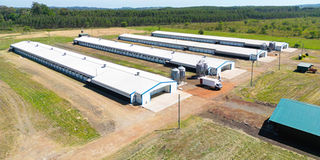
Kenchic Kakuzi broiler farm.
By Dr Apollo Gichane Mirera and and Dr Kelvin Osore
Antibiotics have given us the ability to treat infections that once posed serious threats to life. They have transformed modern medicine, made complex medical procedures safer and helped protect the health of both people and animals.
Yet, the effectiveness of these medicines is not guaranteed indefinitely.
Across the world, antimicrobial resistance (AMR) is making infections increasingly difficult to treat. It occurs when bacteria, viruses, fungi and parasites evolve and no longer respond to the medicines designed to control them. The result is a growing threat to healthcare, animal production, food security and public health.
For many people, AMR can seem like a distant or highly technical issue, best left to doctors, veterinarians and scientists. In reality, its implications penetrate homes, farms, businesses and the food systems communities depend on.
The response must begin long before an infection requires treatment.
Prevention is the first line of responsibility
In animal production, antimicrobials have an important role in treating bacterial infections when their use is clinically justified. Preserving their effectiveness while ensuring appropriate animal care means looking beyond the medicine itself to the conditions that prevent disease.
Responsible antimicrobial use starts with the everyday practices that support animal health. It does not begin when we decide which medicine to administer. It begins much earlier, with how we manage animal health, prevent disease and identify potential health challenges. Good husbandry, hygiene, biosecurity and appropriate veterinary oversight help reduce the risk of infection and the need for avoidable treatment.
On farms, biosecurity, sanitation, flock monitoring, vaccination programmes and sound animal husbandry, all contribute to reducing the risk of disease. When an infection does occur, treatment decisions should be informed by appropriate veterinary assessment, rather than assumption or routine use.
Antimicrobials remain important tools in animal healthcare but should be used responsibly and when necessary. Prevention does not replace treatment; it helps reduce avoidable illness and supports better decisions when treatment is required.
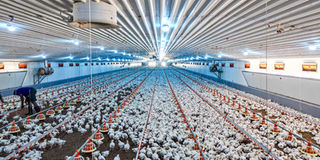
Inside Kenchic Kakuzi broiler farm.
The work is shared across the production chain. From breeder farms and hatcheries to broiler farms and processing facilities, the standards maintained at each stage contribute to animal health and the integrity of the food system. These practices may not be visible to consumers, but they are part of the work behind the food that reaches their tables.
Why laboratory evidence matters
Prevention is essential, but when animals become ill, sound decisions also depend on understanding what is causing the problem. Laboratory diagnostics can help identify disease and provide information that supports veterinary assessment and treatment choices.
Responsible antimicrobial stewardship depends on making decisions based on evidence rather than assumptions. Laboratory diagnostics can help clarify what is happening and provide information to support more informed treatment decisions. The aim is to understand the problem before deciding on the appropriate response.
Laboratories also contribute to the wider understanding of animal health through disease investigation, monitoring and surveillance. Antimicrobial susceptibility testing, where available and appropriate, can help establish whether particular medicines are likely to be effective against a bacterial infection.
Without a clear understanding of the problem, treatment decisions can be inappropriate. Strengthening diagnostics, professional collaboration, and access to reliable testing is therefore important to the response to AMR.
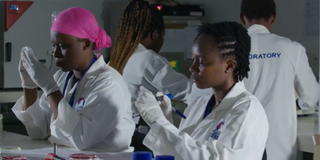
The Kenchic lab.
A challenge that crosses boundaries
Human health, animal health and the environment are closely connected. This is the principle behind the One Health approach, which recognises that these areas must be considered together when addressing complex health challenges.
The journey of food from farm to family table illustrates this connection. A farmer caring for animals, a veterinarian making a treatment decision, a production team maintaining hygiene standards, a retailer handling food responsibly and a consumer preparing it safely all contribute to the same food system. Those involved may never meet, yet they depend on one another’s decisions.
Responsible antimicrobial use in animal health is one part of a broader system that includes infection prevention, hygiene, biosecurity, appropriate treatment and public awareness. No single individual, organisation or profession can address the challenge alone.
The responsibility also extends into personal life. Antibiotics should only be used when prescribed by an appropriately qualified health professional. People should not use leftover medicines, share antibiotics or assume that every infection requires them. Following professional advice and taking medicines as directed are practical ways individuals can help protect their effectiveness.
The responsibility behind the food we produce
For food and agriculture businesses, AMR raises an important question about responsible production.
Producing food is not simply about meeting demand or delivering a product to market. It is also about the decisions and systems behind that product: How animals are cared for, how disease is prevented, how treatment is managed and how hygiene and food safety standards are maintained.
At Kenchic, these responsibilities are reflected in the importance of animal health, disease prevention, biosecurity, hygiene and veterinary oversight across its operations. Antimicrobial stewardship cannot rest with veterinary teams alone. It depends on the awareness and decisions of everyone involved in the production chain, including those responsible for maintaining standards throughout daily operations.
Farmers, veterinary and medical professionals, researchers, regulators, government institutions and food producers each have a role in strengthening responsible practices and public understanding. Evidence, appropriate oversight and systems that support sound decisions are essential.
Looking beyond the immediate
One difficulty with AMR is that the consequences of today's decisions may not be immediately visible. A disease prevented, an unnecessary treatment avoided or a standard consistently upheld may never attract attention. Yet each can contribute to a system better equipped to protect health over the long term.
For individuals, this means seeking appropriate medical advice and using antimicrobials responsibly. For farmers and animal health professionals, it means prioritising prevention and ensuring that treatment is appropriate and professionally guided. For businesses, it means investing in responsible production systems and remaining accountable for the standards they uphold.
The effectiveness of antimicrobials is not something any one sector can preserve on its own. It depends on connected decisions made across farms, laboratories, healthcare settings, homes and institutions.
The challenge of AMR calls for more than awareness. It calls for consistent action, professional accountability and collaboration across human health, animal health and the environment.
Protecting the medicines we need tomorrow begins with the decisions we make today.
___________________
Dr Apollo Gichane Mirera is a Veterinarian and the Regional Sales Manager at Kenchic, and Dr Kelvin Osore is the Head of Labs and Technical Services at the same company


