New projects Kenya is implementing to increase water-storage capacity, reduce flooding
Sponsored by National Water Harvesting and Storage Authority
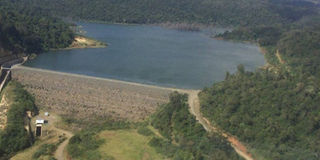
Chemususu Dam in Baringo County.
By Pauline Kairu
As climate variability puts pressure on water supplies and exposes communities to flooding, Kenya is investing in dams, water pans and other storage infrastructure to improve its ability to retain more water during rainy periods and make it available when needed.
The National Water Harvesting and Storage Authority (NWHSA) is advancing projects aimed at expanding the country’s water-storage capacity, strengthening drought resilience and reducing flood risks. Its mandate includes developing, managing and maintaining national public water works for water storage and flood control.
The investments are also intended to support agriculture, livestock production, growing urban centres and industries that depend on reliable water supplies, while helping protect communities, property and infrastructure from destructive floods.
Among the Authority’s strategic projects are Siyoi Muruny Dam in West Pokot County, expected to serve approximately 350,000 people, and Umaa Dam in Kitui County, which is projected to benefit about 75,000 people.
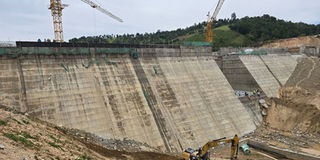
Siyoi-Muruny Dam in West Pokot County.
The Authority is also undertaking works at Soin-Koru Dam in the Nyando area, along the Kericho-Kisumu county border, and Badasa Dam in Marsabit County. These projects are intended to improve water retention and contribute to flood management.
Alongside major dams, the Authority is pursuing the development and rehabilitation of smaller dams and water pans to expand water harvesting capacity, including in areas where communities and economic activities are vulnerable to shortages and unreliable rainfall.
The wider objective is to improve the availability of stored water for different uses, including farming, livestock production and other economic activities, particularly when rainfall is insufficient.
Water storage is only one part of the Authority’s work. Flood-control interventions in Budalang’i in Busia County and West Kano-Kanyagwal in Kisumu County, are intended to reduce the risks that flooding poses to homes, livelihoods, infrastructure and public services.
The Authority is also addressing the safety of existing storage facilities. At Maruba Dam in Machakos County, emergency dam-safety works have focused on repairing cracks along the dam crest to limit further deterioration ahead of anticipated heavy rainfall.
Such interventions are important in protecting existing public infrastructure while helping ensure that storage facilities can continue to serve their intended purposes.
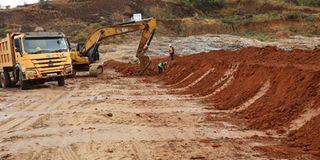
Umma Dam in Kitui County.
Climate considerations also shape the Authority’s approach to infrastructure development and management. Changing rainfall patterns, catchment conditions, dam safety and environmental sustainability all influence the planning and operation of water-storage projects.
Expanding storage capacity can help Kenya retain more water during periods of rainfall and improve its ability to manage shortages during dry spells. The benefits, however, depend on appropriate infrastructure design, sound operation and maintenance, protection of catchment areas, and coordination with institutions responsible for water distribution and emergency response.
The Authority also works with county governments and other institutions to coordinate priorities for water harvesting, storage and flood control. This cooperation is important in ensuring that national investments respond to local needs and contribute to more equitable and sustainable development. Its work forms part of Kenya’s wider development ambitions under Vision 2030 and the push towards Sustainable Development Goal (SDG) 6, which calls for universal access to water and sanitation and the sustainable management of water resources.
As Kenya works towards SDG-6, expanding water storage and strengthening flood protection will remain important to reducing vulnerability to drought, protecting communities and supporting economic development. Achieving lasting water security will require continued investment, safe and well-maintained infrastructure, and coordinated action across national and county institutions.