The complete Masai Mara safari planning guide: Itineraries and fees
Sponsored by Masai Mara Safari Travel
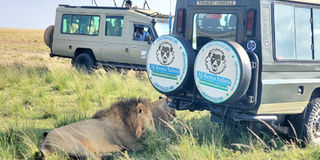
The Masai Mara National Reserve covers 1,510 square kilometres of rolling savanna, riverine forest and acacia woodland in southwestern Kenya, and it holds one of the highest densities of wildlife anywhere. The Mara is where many people go to sight river-crossing wildebeest, close-up lion sightings, and a sunrise balloon flight over the plains. It rarely disappoints.
Park fees, entry rules, and conservancy arrangements change fairly often, so a good plan needs current information on seasons, tariffs, logistics, and where to stay. This guide covers all of that for both local and international travellers.
When to visit: Seasons and the Great Migration
The Mara is a year-round destination, but what you see depends heavily on when you go.
Peak Migration Season (July to October)
Between July and October, over 1.5 million wildebeest, along with hundreds of thousands of zebra and gazelle, move north from Tanzania's Serengeti in search of fresh grazing. This is when the famous river crossings happen on the Mara and Talek rivers, with herds pushing through strong currents and Nile crocodiles, while big cats wait on the banks.
Lodge space is tightest in these months. If you want a camp near a known crossing point, book well ahead.
Green and Shoulder Seasons (November to June)
Outside the migration, the Mara is quieter and still very good:
- Short Rains (November to December): Brief afternoon showers refresh the landscape. Resident wildlife stays abundant, migratory birds arrive, and visitor numbers drop.
- Calving and Emerald Season (January to March): Dry, warm weather and strong general game viewing. Predators are active as resident ungulates give birth across the open plains.
- Long Rains (April to May): The heaviest rainfall of the year turns the savanna green. Some dirt tracks become difficult, but luxury lodges offer substantial off-peak discounts, and the skies and light are good for photography.
Park fees and rules
Entry tariffs are set by season, residency status, and strict timing rules, both to manage visitor numbers and to fund conservation. Narok County has framed the seasonal pricing as a shift toward a low-volume, high-value tourism model, as reported by the Daily Nation at the start of the 2026 migration season.
Seasonal park entry fees
Visitor Category | Low Season Rate (Jan – June) | High Season Rate (July – Dec) |
Non-Resident Adult | $100 per day | $200 per day |
Non-Resident Child / Student | $50 per day | $50 per day |
East African Citizen Adult | Ksh1,000 per day | Ksh1,000 per day |
East African Resident Adult | Ksh2,000 per day | Ksh2,000 per day |
Entry rules and payment
The 12-hour validity rule: Entry passes are valid for 12 daytime hours, from 6am to 6pm. If you are leaving by road, clear the gates by 10am on your check-out day or you will be charged a full second day.
Cashless payment: All entry points, including those in the Mara Triangle and county-managed sectors, are strictly cashless. Pay in advance or at the gate with M-Pesa, Visa, Mastercard, or an authorised government digital portal.
How much does a Masai Mara safari cost?
Costs depend on accommodation level, travel style, and how you get there. Broadly, there are three tiers.
1. Budget Safaris ($250 – $450 / day per person)
Good for cost-conscious travellers and local weekenders. Expect budget camps or public campsites just outside the main gates (Sekenani or Talek, for example), shared overland safari vans, and standard entry fees.
2. Mid-Range Safaris ($500 – $900 / day per person)
The most popular option for families and small groups. This tier gets you a comfortable permanent tented camp or lodge inside or adjacent to the reserve, a private 4x4 Land Cruiser with an experienced driver-guide, and a mix of reserve and conservancy game drives.
3. Luxury Safaris ($1,200 – $2,500+ / day per person)
High-end private conservancy camps with all-inclusive amenities and good food, fly-in transfers to domestic airstrips, private guides, and activities like night drives and bush walks.
Reserve or conservancy?
One of the main decisions is whether to stay inside the central Masai Mara National Reserve or in one of the community conservancies around it.
Private Conservancies | National Reserve | |
Examples | Mara North, Naboisho, Olare Orok, Motorogi | Central Mara Triangle, Rhino Ridge, Paradise Plain |
Driving | Off-road driving allowed | Strict trail-only driving |
Activities | Night game drives and walking safaris | Daytime game drives only |
Vehicle density | Low tourist and bed density | High vehicle concentration at sightings |
River access | Indirect | Direct access to the main river crossing sites |
The National Reserve
Managed by the County Government of Narok, the core reserve includes the Mara Triangle, Rhino Ridge, and Paradise Plain. It has the well-known lodges and direct access to the main river crossing points. The trade-off is that in high season, a good sighting can draw many vehicles.
The surrounding conservancies
Around the reserve are private and community-owned conservancies, including Mara North, Naboisho, Olare Orok, and Motorogi. These are partnerships between Maasai landowners and safari operators. Staying in one gets you:
- Visitor density limits: Lower bed-to-acreage ratios mean fewer vehicles at sightings.
- Activities allowed: Night game drives, off-road tracking for big cats, and guided bush walks on foot.
- Direct community benefit: A large share of conservancy fees goes to local Maasai families, who keep the land under conservation.
Getting there and beyond
By air
The fastest route from Nairobi is a 45-minute scheduled flight from Wilson Airport (WIL) to one of the Mara's airstrips, including Ol Kiombo, Keekorok, Mara Serena, or Musiara. You save time and get a view of the Rift Valley on the way.
By road
Driving from Nairobi takes about five to six hours via Narok. Road transfers are cheaper and let you keep a private 4x4 for the whole trip, but the last stretch is rough and unpaved.
Wider safari circuits
Because the Masai Mara is the northern end of the Serengeti ecosystem, many international travellers combine it with other parks or cross into Tanzania.
Overland crossings at Isebania or Namanga require vehicle handoffs and visa clearance. Whether you are researching southern Kenya circuits through sites like amboselisafari.com or cross-border itineraries through bookserengeti.com, sorting out permits, air transfers, and lodge bookings ahead of time avoids delays on the ground.
What to include on your itinerary
Standard 4x4 game drives are the core of any Mara trip, but a few other activities are worth building in:
- Dawn hot air balloon safari: Take off before daybreak and drift over the Mara River and the open plains as the sun comes up over the escarpment, then land for a bush breakfast.
- Big cat tracking: The Mara has large lion prides, leopards in the riverine thickets, and cheetah coalitions hunting on the open plains. Early morning drives give you the best predator activity.
- Guided foot safaris: Walk with experienced Maasai naturalists and learn to read tracks, medicinal plants, and bird calls.
- Cultural visits: Spend time at a Maasai manyatta (homestead) to learn about pastoralist life, customs, and community-led conservation.
Frequently asked questions
How many days do you need for a Masai Mara safari?
Three to four days is the sweet spot. That gives you four to six game drives, a visit to the Mara River, and time in both the main reserve and a conservancy without rushing.
What is the best month to visit the Masai Mara?
July through October gives you the best chance at the river crossings. January to March is excellent for predators, newborn wildlife, and clearer conditions, with lower entry fees.
Is it better to stay inside the reserve or in a conservancy?
A mix of both is ideal. The reserve puts you close to the Mara River; the conservancies give you fewer vehicles, off-road cat tracking, walking safaris, and night drives.
Can you see the Big Five in the Masai Mara?
Yes. Lions, leopards, elephants, and Cape buffalo are common across the ecosystem. Black rhinos are present but rarer, mostly in the Mara Triangle and the denser thicket areas.