Hello

Your subscription is almost coming to an end. Don’t miss out on the great content on Nation.Africa

Ready to continue your informative journey with us?

Hello

Your premium access has ended, but the best of Nation.Africa is still within reach. Renew now to unlock exclusive stories and in-depth features.

Reclaim your full access. Click below to renew.

Regulator extends Kenya Pipeline IPO as firm struggles to hit sale target

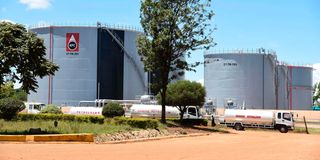
Kenya Pipeline Company depot

A Kenya Pipeline Company depot in Eldoret.


Photo credit: File | Nation Media Group

What you need to know:

  • The Kenya Pipeline IPO will be the region's biggest, surpassing the 2008 Safaricom offering which raised just over Sh50 billion.
  • The sale of a 65 percent stake in KPC is part of the Treasury's drive to divest from State companies.
  • Burdened by high national debt, limited room to raise taxes and annual loan repayments that consume 40 percent of government revenues, the State has turned to new funding models.

Kenya Pipeline Company's (KPC) initial offering has been extended by three days as the State-owned firm struggles to hit its sale target of Sh106.3 billion.

The Capital Markets Authority (CMA) approved the extension of the offer, which was initially set to close today, to Tuesday February 24, 2026 at 5pm.
Multiple top stockbrokers and investment banks say they have struggled to sell shares of the State oil pipeline company, especially among high-net worth investors who have expressed interest but failed to make payments.

The Privatization Authority says retail investors, who had been allocated 20 percent of the offer, pushed the State to end the offer period.

Top brokers who sought anonymity indicated that only 20 percent or nearly Sh23 billion of the offer had been sold by Tuesday amid split views over the valuation of KPC.

“The extension is aimed at ensuring broader participation and will provide investors adequate time to finalise their investment decisions in line with our commitment to inclusivity and transparency,” said Janerose Omondi, the managing director of the Privatization Authority.

The government priced the Kenya Pipeline IPO at Sh9 per share for the offer that opened on January 19, with the shares scheduled to begin trading on the Nairobi bourse on March 9.

The firm's initial public offering must receive valid applications from not less than 250 applicants representing 50 percent of the offer shares.

This means that the IPO must raise at least Sh53.1 billion for the offer to proceed.

Of the total stake on offer, 15 percent is reserved for oil marketing companies, five percent for employees and the remainder will be allocated to local retail, local institutional, East African and foreign investors, with each category receiving 20 percent.

The government will retain a 35 percent stake.

“In cases of under subscription, valid applications in the affected category be allocated in full, with remaining shares reallocated in the order of local retail, local institutional, East African investors, international investors and oil marketing companies (OMCs),” the KPC investor memorandum says.

“In cases of oversubscription, Kenyan investors will be given priority.”

State divestiture

The sale of a 65 percent stake in KPC is part of the Treasury's drive to divest from State companies. The government is also reducing its stake in telecoms operator Safaricom, with the sale of a 15 percent stake to South Africa’s Vodacom for Sh204 billion.

Burdened by high national debt, limited room to raise taxes and annual loan repayments that consume 40 percent of government revenues, the State has turned to new funding models.

The Kenya Pipeline IPO will be the region's biggest, surpassing the 2008 Safaricom offering which raised just over Sh50 billion.

In dollar terms, the Safaricom IPO may still rank as the largest given the weakening of the Kenyan shilling over the past 17 years.

Follow our WhatsApp channel for breaking news updates and more stories like this.


