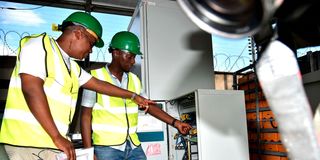
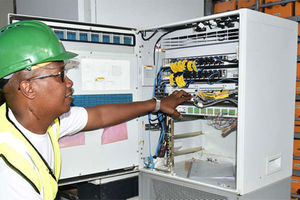
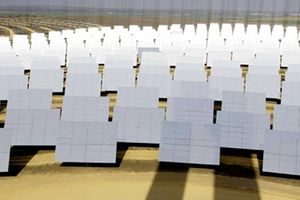
Safaricom has switched more than a third of its network sites from diesel generators to solar power as it races to cut the use of diesel that is now costing it over Sh2 billion every year.
The firm swapped 596 sites to solar in the year to March 2026, pushing the network stations driven by clean energy to 2,028, accounting for 35.7 percent of its masts, as it rushes to drop diesel use to cut costs and reduce carbon emissions.
The latest transition helped the telco to reduce its diesel consumption from 10.47 million litres to 10.08 million litres, which is currently worth about Sh2.3 billion, in the year to March.
The cut in consumption came just as the effects of the Iran war were starting to be felt at the pump, causing the price of a litre of diesel to rise from Sh166 to the current Sh227, a record high.
For Safaricom, the transition offers both a potential cost advantage and environmental benefits.
Cutting diesel consumption reduces direct emissions from generators owned and operated by the company, while lowering the volume of fuel required to keep its network running.
“Rising diesel prices also placed pressure on energy costs, reinforcing both the financial and environmental case for reducing our underlying dependence on generator power,” the telco said in a disclosure.
In the year, the increased solar installation at its network mast centres helped save roughly Sh16.4 million in energy costs monthly, cumulating to Sh196 million annually, which is almost 10 percent of its total spending on diesel. Diesel accounted for 3.2 percent of its operating costs, compared with 3.5 percent in the previous financial year.
But it is also helping the firm meet its emission reduction goals, especially Scope 1 emissions, which come from assets it owns, like the diesel generators.
The Safaricom head office in Nairobi.
Photo credit: Pool I Nation Media Group
“As our network and digital infrastructure grow, we are working to meet increasing energy requirements while reducing reliance on diesel, scaling renewable energy and improving efficiency across our network and facilities,” it said.
Solar now accounts for 5 percent of its energy use, while KPLC provides 78 percent and the remainder comes from diesel generators. It targets installing solar in 3,000 stations by March 2027.
Meeting the 2027 target would bring more than half of Safaricom's network sites onto solar power, reducing the number of locations dependent on diesel generators and helping limit the company’s exposure to fuel-price volatility.
The shift comes amid pressure on global oil prices following conflict in the Middle East, which pushed up fuel prices and raised the cost of running diesel-powered equipment.
Pump prices in Kenya have reached a record Sh226 per litre, increasing the incentive for businesses with substantial fuel requirements to seek alternatives.
The arrangement with oil marketing companies was aimed at securing fuel supplies and improving price stability as Safaricom continued to modernise its energy infrastructure.
While the company reduced diesel consumption by about 390,000 litres, the savings also illustrate the scale of fuel requirements associated with operating its network. Its annual consumption remained above 10 million litres, underscoring the role that energy costs play in maintaining telecommunications infrastructure.
The planned expansion to 3,000 solar-powered sites by March 2027 will be a further test of how quickly Safaricom can reduce its reliance on diesel while controlling operating expenses and lowering emissions.