Disruption to shipping routes linked to the Iran war has left about eight million kilograms of tea stuck in warehouses in Kenya's port city of Mombasa for weeks, threatening export earnings and farmer incomes, the head of the East Africa Tea Traders Association said.
George Omuga, managing director of the association that runs the Mombasa tea auction, said losses since March 1 were piling up to the tune of $8 million per week.
"The Middle East takes (buys) an average of 20-25% from this auction and Pakistan which also neighbours Iran buys 40%. So we are talking about a market share of 65%. So, should this war continue, the negative consequences will be more severe to the tea trade and tea value chain players," Omuga told Reuters.
The war has led to widespread disruption to global shipping, with major carriers suspending movements through the Strait of Hormuz and Bab el-Mandeb Strait, rerouting vessels around Africa, sending ships in the Gulf to shelter and imposing emergency surcharges across the region.
Kenya exports an average of 100 million kilograms of tea annually to Middle East markets, Omuga said.
Tea destined for Pakistan and Egypt was still moving, but only via the longer route around the Cape of Good Hope, driving up freight and insurance costs and squeezing exporters' margins.
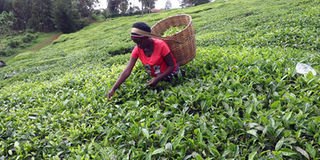
"This tea subsector actually supports around millions of people in Kenya, actually small-scale farmers. So if this war continues, we will see people going hungry, children dropping out of school and people skipping meals,'' Tea farmer Alex Macharia said.
At village buying centres, farmers worry that cash for daily essentials will dry up as the tensions rises.
Before the Ukraine war, Russia imported 29 million kg of Kenyan tea, but that has since dropped to 5 million kg.