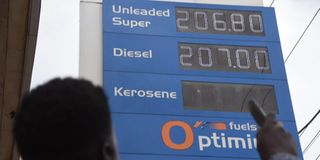
A proposed amendment to the Petroleum Act, 2019, tabled in the National Assembly, could ease pressure on Kenyan consumers by ensuring faster adjustment of fuel prices in line with global market changes.
Fronted by Rongo MP Paul Abuor, the Bill seeks to address what he terms persistent delays under the current fuel pricing framework, which limits price reviews to once a month by the Energy and Petroleum Regulatory Authority (EPRA).
If adopted, the proposal would allow fuel prices to be reviewed every 14 days during periods of global disruption, potentially enabling quicker relief at the pump when international prices fall.
Speaking during a press briefing at Parliament Buildings on Monday, Mr Abuor said the amendment is aimed at making Kenya’s fuel pricing system more responsive to global volatility.
He proposed that EPRA, in consultation with the Energy Cabinet Secretary, be granted powers to declare an “emergency pricing period” in the event of significant global disruptions such as conflicts affecting key supply routes like the Strait of Hormuz.
Under the proposed framework, fuel prices would be reviewed every 14 days during such emergencies, with prices allowed only to decrease or remain unchanged, but not increase within the review period.
“This will reduce pressure on households and businesses, deliver faster relief when global prices fall, and improve fairness and transparency in pricing. This is not price control. It is a timing improvement within the current system,” he said.
Mr Abuor noted that while the existing pricing formula covering landed costs, stock levels and other market factors would remain unchanged, the reform would introduce flexibility to better reflect rapid shifts in global oil markets.
“In times of global uncertainty, our systems must respond with speed and fairness. This proposal provides a balanced, practical solution that protects both consumers and supply stability,” he said.
The legislator further argued that it is unfair for Kenyan consumers to wait up to 30 days to benefit from reduced global fuel prices even after lower-cost fuel has already entered the domestic supply chain.
The move comes against the backdrop of persistent disruptions in global fuel markets, driven by geopolitical tensions such as the Russia–Ukraine war and ongoing conflicts involving the United States, Israel and Iran. The blockage of critical shipping routes, including the Strait of Hormuz, has also contributed to volatility in global oil prices.
In Kenya, fuel prices are currently reviewed monthly on the 14th of each month, with new prices taking effect from the 15th to the 14th of the following month. Critics say this structure delays the transmission of global price reductions to local consumers.
Mr Abuor said the proposed legal reforms seek to strike a balance between consumer protection and industry stability, ensuring that oil marketers are not exposed to financial shocks or supply disruptions.
He confirmed that the proposal has already been submitted to the Clerk of the National Assembly and that consultations are ongoing with the Energy and Petroleum Regulatory Authority (EPRA), the Ministry of Energy, and oil marketing stakeholders.
The Rongo MP expressed optimism that the proposed amendments will receive broad support, describing them as a “balanced and practical solution” to a system strained by global energy volatility.