Beyond Antalya: The three summits shaping planet’s future
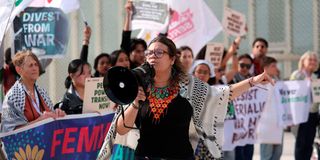
Activists take part in a demonstration during the UN Climate Change Conference (COP31) in Antalya, Turkey, November 13, 2026.

The world is coming together at Antalya, Turkiye to chart a way out of the climate crisis. When I told my colleagues that I was going for COP, a few of them asked, another COP? because just last month, another one was held in Yerevan, Armenia.
If you have heard “COP” in the news lately, you may have assumed it always means climate. COP stands for Conference of the Parties, the meeting of the countries that signed three environmental treaties : one for climate change, one for biodiversity, and another for desertification.
All three were born at the same event, the 1992 Rio Earth Summit. The desertification convention is one of three treaties created there, alongside the climate and biodiversity conventions. Think of them as siblings with the same parent, known together as the Rio Conventions, each built to tackle a different part of the planet’s troubles.


The climate COP, run under the UNFCCC, is about greenhouse gases and a warming world: heat waves, floods and rising seas. It meets every year and is the home of the Paris Agreement. The biodiversity COP, run under the Convention on Biological Diversity, is about nature itself: wildlife, forests, oceans and the variety of life. It meets every two years. Its latest meeting, COP17 in Yerevan, Armenia, marked the halfway point of the Kunming-Montreal framework, often called the Paris Agreement for nature, and completed the first global review of progress toward reversing nature loss by 2030, with finance at the heart of the deadlock.
The desertification COP, run under the United Nations Convention to Combat Desertification, is about land: soil turning to dust, droughts and degraded farmland. Up to 40 per cent of the world’s land is degraded. It also meets every two years. Its COP17 was held in Ulaanbaatar, Mongolia, in August, and one result was the launch of a Drought Resilience Investment Facility aiming to mobilise up to USD 400 million. The next one, COP18, is expected in Egypt in 2028.
The format is similar across all three. Delegates from almost every country gather for about two weeks, negotiate text line by line, and agree on decisions by consensus, which means one country’s objection can stall a topic. At the desertification COP, for example, the United States objected to agenda items on gender, civil society participation and cooperation with the other Rio Conventions. The host country usually rotates and presides over the meeting.
The climate COP is the one running at this very moment at the Antalya Expo Center, and more than 100,000 people are expected to attend over the two weeks. The leadership is shared, as Türkiye holds the COP Presidency while Australia serves as President for Negotiations. The partners have branded it the “implementation COP,” meaning the focus is on turning promises into action.
Follow our WhatsApp channel for breaking news updates and more stories like this.
[email protected]