For decades, the Coast region’s high tourism season has meant hotels filling up as visitors flocked for sun, sand, and sea. But while the beaches remain a major draw, stakeholders are increasingly turning to alternative attractions to diversify and expand the sector.
Conference tourism has grown steadily since the Covid-19 pandemic disrupted leisure travel. Now, cultural and religious tourism is being touted as a sleeping giant, with stakeholders urging greater investment in packaging and marketing local traditions.
When cultural tourism is mentioned in Kenya, the Maasai often come to mind. Their heritage has long been a centrepiece in marketing the country abroad. Yet, hoteliers and county governments at the Coast argue that Mijikenda and Swahili cultures, which host annual festivals steeped in tradition, offer an equally compelling opportunity.
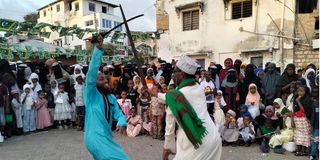
Lamu County, with its centuries-old Swahili heritage, remains a cultural jewel. In September, the island hosted the 136th edition of the Maulid Festival, commemorating the birth of Prophet Muhammad in 570 AD.
Tourists arrive at the Mangrove jetty in Lamu Island ready to attend the 136th edition of the Maulid Festival on September 18, 2025.
Photo credit: Kalume Kazungu | Nation Media Group
Held at the historic Riyadha Mosque, the three-day celebration drew more than 6,000 visitors, including international guests from Oman, the Comoros, Tanzania, Zanzibar, Uganda, Burundi, Congo, Yemen, and the United Kingdom.
“We’re proud that the Riyadha Mosque is where the Holy Habib Swaleh founded the Maulid 136 years ago,” said Abdallah Abdulkadir, principal of the Riyadha Mosque and Islamic Centre.
The event provided a major boost to the local economy. “Every time Maulid is celebrated, Muslims from across the world flock to Lamu. It is one of our strongest platforms for religious tourism,” said Lamu Tourism Association chairperson Fridah Njeri.
Lamu County Executive for Tourism, Trade and Investment, Aisha Miraj, said most airlines, hotels, guesthouses, and restaurants were fully booked throughout the festival. The county is now preparing for the annual Lamu Cultural Festival from October 20, which showcases Swahili heritage through traditional dances, poetry, dhow races, and handicrafts.
Elsewhere, the Mijikenda community marks its culture annually through the Chenda Chenda Festival. This year’s events in Kwale and Kilifi counties drew large crowds and featured displays of traditional rituals, music, and cuisine.
According to Tsuma Nzai, coordinator of the Mijikenda Kaya Elders Association, the festivals are critical for cultural preservation. “In the past, families lived together and elders taught the youth important values. Today, many traditions are fading as modern lifestyles take over. These events keep our heritage alive,” he said.
Locals, guests and tourists flock to Riyadha Mosque grounds for the 136th edition of Lamu Maulid Festival on September 18, 2025.
Photo credit: Kalume Kazungu | Nation Media Group
Mombasa, too, is home to unique cultural expressions. The Dawoodi Bohra community, a small but influential Muslim group with Indian roots, attracts thousands of pilgrims whenever its global leader, His Holiness Syedna Mufaddal Saifuddin, visits.
Centred around the Bohra Mosque in Mombasa’s Old Town, the community has long balanced integration into the city with preservation of its cultural and religious traditions.
“His Holiness’ arrival is always a cause for celebration, bringing together members from across East Africa for spiritual renewal, social service, and environmental action,” said community member Quresh Zakir.
Experts say Kenya’s hospitality sector must better align with the needs of cultural and religious tourists to unlock the full potential of this niche market.
Dr Sam Ikwae, Executive Officer of the Kenya Association of Hotel Keepers and Caterers and chair of the Coast Tourism Conference, urged hotels to tailor services to visitors attending such events.
“Unless visitors have a specific need, services remain standard. But hotels must understand different dietary requirements, such as for those who are fasting, and provide prayer spaces. After religious activities, they can also organise excursions to nearby attractions,” he said.
Unlike conferences, which can be held online, religious pilgrimages and cultural events require physical presence.
“People will always travel for prayers and traditions. The hospitality sector should package these experiences as part of the tourism product,” Dr Ikwae added.