The Equitable Party (TEP) has asked the Political Parties Disputes Tribunal to dismiss a case challenging its transformation into Linda Mwananchi Movement, disputing the complainant’s membership and arguing that he had failed to use internal party procedures.
In fresh court filings, the party says the complaint filed by Emmanuel Willyngtone Khamala, a party member, is an attempt to challenge decisions made before he joined the party.
The party’s secretary-general Litalima Motanya says Mr Khamala joined the party on October 11, three days after its National Executive Committee approved the proposed name change on October 8.
The party, which is led by Nairobi Senator Edwin Sifuna and who is named an interested party in the case, says the complainant has not produced the membership certificate required by its constitution.
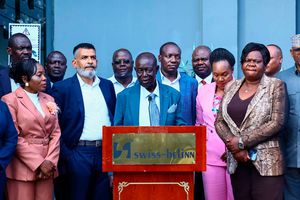
Nairobi Senator Edwin Sifuna at Stanley Hotel in Nairobi on October 4, 2026, during the unveiling of The Equitable Party.
Photo credit: Pool
“The timing of the complainant membership and the subsequent institution of these proceedings raises legitimate questions as to his motive,” Ms Motanya states in a replying affidavit.
Mr Khamala moved to the tribunal saying the party had not addressed his complaint. He said he first raised the complaint in letters dated October 28 and November 6, alleging exclusion of the ordinary party members from decisions on the party’s rebranding and leadership changes, before escalating the dispute to the tribunal on November 16.
He complained that the party had changed its name, unveiled a new leadership team led by Senator Sifuna and altered its governance and election rules without adequately involving registered members.
Through his lawyer Danstan Omari, the complainant questioned whether the November 13 National Delegates Conference, which endorsed the rebranding and leadership changes, was properly constituted.
The lawyer said his client raised his objections with the party twice -on October 28 and November 6, but received no response before taking the dispute to the tribunal.
But the party’s response is whether Mr Khamala could challenge decisions made before he joined, and whether he completed the party’s complaint process.
It has also challenged Mr Khamala’s standing, arguing he has not shown he was a member when the contested decisions were made. It also argues that the application is overtaken by events because the NDC took place, and that the Registrar of Political Parties is responsible for processing changes to a party’s name and constitution.
The party says it received his complaint letter dated November 6, and referred it to its Internal Dispute Resolution Mechanism. A letter sent the following day, it says, informed him that he would be invited to an oral hearing and asked him to provide identification and membership numbers.
The affidavit includes the November 7 letter and WhatsApp messages in which officials sought an email address to send the communication. The party says Mr Khamala did not respond to requests to facilitate the hearing and instead filed his complaint at the tribunal.
It disputes his account of earlier objections. The party says the October 28 letter relied on by Mr Khamala was unsigned and had not been received at its offices. It says the subsequent November 6 letter was the only objection formally received.
Ms Motanya argues that the tribunal should not hear the dispute before the party’s internal process is completed. She cites Section 40(2) of the Political Parties Act, which requires disputes between party members and party organs to be referred through internal mechanisms before tribunal proceedings.
“The complainant has failed to tender any evidence demonstrating that he invoked or exhausted TEP internal dispute resolution mechanisms prior to instituting these proceedings,” she states.
The party argues that decisions on its name and constitution are made by accredited delegates at the National Delegates Conference, not through a vote of every registered member. It says the November 13 NDC was properly convened and conducted under the party constitution.
Mr Khamala’s complaint says registered members were excluded from decisions affecting the party’s identity, leadership and direction. He has asked the tribunal to suspend implementation of the conference resolutions, including the name change and amendments to party rules.
The party also contests the history set out in his complaint. It says The Equitable Party was registered in April 2022 and denies holding a meeting at Nairobi’s Serena Hotel as alleged. The affidavit says the party’s National Executive Committee meeting followed its constitution.