A simple swab, a life saved: Kenya’s game-changing TB test arrives
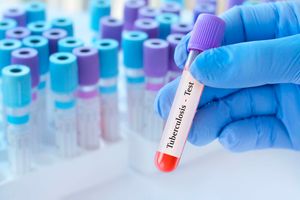
The new generation of near-point-of-care battery-powered molecular diagnostic tests deliver results in under an hour.

What you need to know:
- Kenya is one of 13 nations selected by the Global Fund to Fight AIDS, Tuberculosis and Malaria for an early-adopter initiative that will deliver nearly three million rapid, accurate TB tests to communities with little or no prior access to advanced diagnostics
Kenya is preparing to roll out a swab-based molecular tests for tuberculosis (TB) detection, aiming to bring accurate diagnosis directly to primary care facilities and remote areas.
The new generation of near-point-of-care (NPOC) battery-powered molecular diagnostic tests deliver results in under an hour.
Kenya is one of 13 nations selected by the Global Fund to Fight AIDS, Tuberculosis and Malaria for an early-adopter initiative that will deliver nearly three million rapid, accurate TB tests to communities with little or no prior access to advanced diagnostics. The rollout is supported by the Children's Investment Fund Foundation (CIFF) and implemented on the ground by the Aurum Institute.
The initiative follows a recent World Health Organization (WHO) recommendation that near-point-of-care molecular tests replace sputum smear microscopy, a technique dating back to the 19th century, as the first-line diagnostic tool for adults and adolescents with TB symptoms. The new devices deliver results in under an hour, are battery-powered, and can operate in clinics without reliable electricity. Unlike centralised molecular platforms such as GeneXpert, which require samples to be sent to reference laboratories, NPOC tests can be administered at the primary care level, where most patients first present.
NPOC testing will complement rather than replace GeneXpert platforms, which remain essential for diagnosing drug-resistant TB. Patients who test positive on an NPOC device will be referred for further molecular testing to determine drug resistance and guide treatment.
Peter Sands, executive director of the Global Fund, said the initiative would help close a diagnostic gap that has "slowed progress for too long," adding that earlier diagnosis would reduce transmission and improve treatment outcomes. Prof Dave Clark, CEO of the Aurum Institute, noted that the programme would achieve meaningful impact at the population level by supporting countries to implement the tools at scale.
“These new tools work, they’re cost-effective, and they will save countless lives. Helping the most vulnerable get diagnosed quickly and start treatment faster is one of the best investments we can make,” added Miles Kemplay, executive director of CIFF.
The other 12 countries participating in the early-adopter initiative are Bangladesh, Benin, Cameroon, Ethiopia, Indonesia, Nigeria, Peru, the Philippines, South Africa, Uganda, Vietnam, and Zambia.
The initiative arrives at a time when Kenya records roughly 117,000 TB cases and about 24,000 deaths each year, including around 8,000 among people living with HIV. Despite free TB treatment services and strong national policies, a significant proportion of cases remain undiagnosed due to weak diagnostic infrastructure, stigma, gender barriers, and declining funding.
"Research must be at the centre of our response so that the decisions we make are grounded in evidence from our own context," said Immaculate Kathure, head of Kenya's national TB programme, during a tuberculosis dissemination forum in March.
Kathure also flagged a significant shift in the epidemiology of the disease that demands fresh thinking. Historically, TB in Kenya was closely linked to HIV infection, but today about three-quarters of TB patients are HIV-negative.
"That means we can no longer continue having the same conversations we had before," she said. "If HIV is no longer the main driver, we must ask what other factors are suppressing immunity and leading people to develop TB."
Research presented at the same forum revealed that 73 per cent of patients visiting health facilities were not screened for TB, while 42 per cent of people suspected of having the disease were never tested. Adolescents and young adults, who account for about 15 per cent of TB cases, frequently had their symptoms misdiagnosed as pneumonia, flu, or asthma, delays that pushed back TB detection by two to three months.
Stigma remains one of the most persistent barriers. A national TB Stigma Index survey conducted across 180 health facilities in 11 counties found that approximately 68 per cent of respondents experienced stigma within their communities, more than half faced it within their families, and 51 per cent reported it in healthcare settings. Fears of infection, misinformation linking TB with HIV, and community gossip were identified as major drivers.