Amboseli elephant deaths expose Kenya’s pesticide crisis, conservationists warn
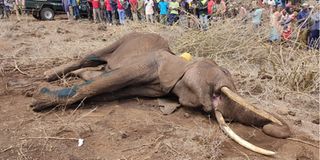
A wave of unexplained elephant deaths swept through the Amboseli ecosystem, claiming over 15 animals.

What you need to know:
- People chronically exposed to pesticides face serious health consequences, including learning disabilities, hormonal disruption, immune suppression, miscarriages, growth impairment, and increased cancer risk.
- Kenya already faces a growing burden of cancers and other chronic diseases.
A Kenyan conservation organisation has called for an independent investigation and urgent regulatory reform after 15 elephants died recently at Amboseli National Park from ingesting cyanide-laced pesticides sprayed on nearby tomato farms.
The Kenya Wildlife Service (KWS) confirmed it has contained the situation but warned communities living around the park and neighbouring conservancies to exercise caution when using agricultural chemicals. KWS Director General, Prof Erustus Kanga, said laboratory analysis of carcass samples detected cyanide in the animals' digestive systems.
Ten of the 15 elephants showed symptoms of partial paralysis before dying within one to two days. The majority were adult females and calves, the reproductive core of the population.
But Wildlife Direct warned that the deaths signal a far deeper crisis. CEO Paula Kahumbu said the incident points to systemic failure, not an isolated misfortune, especially as it follows the poisoning of six lions and 32 vultures in the same ecosystem in January 2026.
"If toxic chemicals are capable of entering crops consumed by elephants, we must ask whether farmers, farm workers, neighbouring communities, livestock and consumers are being adequately protected," Dr Kahumbu stated.
She warned that if cyanide-laced pesticides are contaminating crops at levels lethal to elephants, the same chemicals could be reaching local markets and consumers. People chronically exposed to pesticides face serious health consequences, including learning disabilities, hormonal disruption, immune suppression, miscarriages, growth impairment, and increased cancer risk. Kenya already faces a growing burden of cancers and other chronic diseases.
The conservation group has outlined five urgent actions it wants the government to take to prevent further deaths and protect public health.
First, an independent, transparent, multi-sectoral investigation involving KWS, the Pest Control Products Board (PCPB), the National Environment Management Authority, the Ministries of Health, Water, and Agriculture, county governments, and independent scientific experts, with findings made public.
Second, full accountability. Dr Kahumbu said public officials and institutions that fail to enforce the law, including cases of demonstrated regulatory negligence, should face administrative and legal consequences. Individuals and companies that illegally import, sell, or misuse prohibited or restricted pesticides should face substantial penalties and prosecution under existing law.
Also read: Kajiado County disputes KWS elephant death toll, declares Amboseli a One Health emergency
Third, strengthening pesticide regulation and compliance. This requires a national audit of pesticide registration, importation, distribution, and procurement; a review of highly hazardous pesticides against international evidence; and routine compliance inspections and residue testing.
Fourth, public access to information. "Communities and the public have a right to know what chemicals are being used around them, the associated health risks, environmental impacts, monitoring results and residue testing data," Dr Kahumbu said. "Public access to this information is essential for informed decision-making and accountability."
Fifth, investment in farmer support and safer agriculture. The group called for expanded independent farmer education, strengthened extension services, and promotion of integrated pest management and safer alternatives, so farmers are not left dependent on commercial marketing for technical advice.
"Farmers are among the first victims of a broken regulatory system," Dr Kahumbu said. "The Amboseli elephants may have revealed a much larger problem. Their deaths should prompt a national conversation about how hazardous chemicals are regulated, monitored, and enforced in Kenya. Protecting wildlife, protecting farmers, and protecting public health are not competing priorities, they are one and the same. We cannot afford to wait for evidence of harm to people before acting decisively."
Her warning comes as a performance audit by the Auditor General, released the same week the Amboseli deaths were confirmed, found that the PCPB has failed to adequately monitor and enforce compliance with pesticide regulations. Seizures of expired, counterfeit, and unregistered pesticides rose to 28,617 kilogrammes in 2024/25.
The audit also found the PCPB lacked post-registration surveillance, an updated database of pesticide-handling premises, and assessments of long-term environmental impact. Meanwhile, many farmers rely on advice from agrochemical suppliers and retailers, without access to independent information about the long-term health and environmental consequences of the products they purchase. Where illegal, counterfeit, or unregistered products enter the market, or where existing laws are not enforced, the consequences are borne by ordinary
Kenyans and by wildlife alike.