Bed nets alone are not enough: Scientist urges Kenya to rethink malaria fight
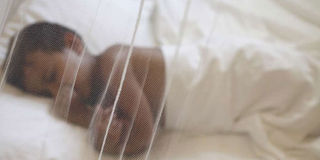
A child sleeps under a mosquito bed net.

Kenya needs to rethink its fight against malaria as mosquitoes change where, when and how they bite, scientists have warned.
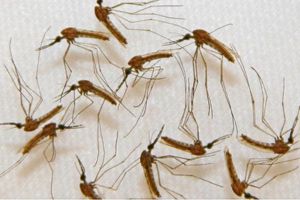
Dr Eric Ochomo, Deputy Director at the Kenya Medical Research Institute’s (Kemri) Centre for Global Health Research, said Kenya can’t keep relying on old malaria control methods. Mosquitoes are resisting insecticides, spreading to new areas, and biting outside the hours when nets protect people.
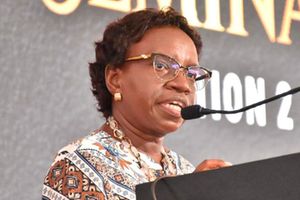
Speaking at the Pan-African Mosquito Control Association's (Pamca) annual conference in Nairobi, Dr Ochomo urged malaria control to match local realities, supported by stronger surveillance and combined interventions.
“No single intervention will be enough. Once we switch on, we will not work for a single dimension,” he said, calling for malaria control to be tailored to the conditions in different parts of the country.
Kenya has made progress against the disease, but malaria remains a major health burden.
The World Health Organisation (WHO) estimates that there are about 4.2 million malaria cases and 11,000 malaria-related deaths in Kenya each year, with 57.3 million people at risk. Eight counties- Siaya, Busia, Homa Bay, Turkana, Migori, Kakamega, Vihiga and Kisumu- carry the highest burden.
Ministry of Health data shows malaria prevalence dropped from eight per cent in 2015 to about six per cent in 2025. Millions of treated nets have also been distributed, and indoor spraying expanded in high‑risk areas.
However, the researcher said that changes in mosquito behaviour are creating gaps in coverage for existing measures. One of the biggest changes is the time at which mosquitoes bite.
For years, malaria prevention assumed mosquitoes bite mainly at night indoors, which is why sleeping under treated nets became the key protection.
Researchers report mosquitoes now bite later into the morning and, in some areas, during the day. In Kenya, biting has been seen at 5am to 6am as people wake and leave their beds, meaning nets may not protect once they’re up.
Similar findings are seen across Africa. In south‑eastern Tanzania, 40 per cent to 50 per cent of mosquito bites happen during the day, including malaria‑carrying ones. In Zambia, studies show mosquitoes biting in schools and markets.
Dr Ochomo said malaria programmes must therefore look beyond homes and traditional monitoring hours.
“If our only intervention is bed nets, there is no way we can give kids bed nets when they are in the classroom,” he said.
He wants Kenya to expand mosquito surveillance so health officials can identify species, breeding sites, biting times, and test how well insecticides work. This would enable malaria control measures to be targeted at the places and times when people are actually at risk of infection.
The need for better monitoring is clear after the discovery of previously unnoticed mosquito species.
The Kemri researcher said his team had collected mosquitoes in northern Kenya in 2006 and had identified them at the time as Anopheles gambiae. Years later, however, when researchers used newer genetic testing methods, they found that the mosquitoes were actually Anopheles coluzzii.
This shows how easily key shifts in mosquito populations can be missed when researchers rely only on traditional identification methods.
He recommended that Kenya adopt newer methods that identify mosquito species more accurately and quickly.
Researchers are creating tools that can scan a mosquito and identify its species almost instantly. Linked to a central system, the technology would let health officials track where species appear and respond faster.
“Artificial intelligence, mapping technology and other digital tools could help to identify breeding areas and track changes in mosquito populations,” he said.
Dr Ochomo said better data would help Kenya choose interventions for each area. High‑transmission zones may need newer nets, spraying and other measures, while moderate or low‑risk areas could use different mixes based on local mosquito populations and breeding conditions.
“In towns and cities, where mosquitoes such as Anopheles stephensi are becoming a concern, controlling water containers, waste, and other breeding sites will become increasingly important.”
This invasive species has already been detected in northern Kenya and can breed in water storage tanks, tyres, gutters, and other places where water collects.
Dr Ochomo said malaria control must also consider how people live, store water, and manage waste. He urged more focus on housing, with researchers testing cooling methods such as painting roofs, improving ventilation, and adding ceilings.
Follow our WhatsApp channel for breaking news updates and more stories like this.