Cardiac arrest vs heart attack — the difference that could save a life
The terms cardiac arrest and heart attack have become so interchangeable in public discourse that medical clarification has become necessary.

A wave of grief has swept Kenya since the passing of former Prime Minister Raila Odinga. But amid the national mourning, one question persists in both private conversations and public forums—what exactly took Baba's life?
The official cause of death is cardiac arrest. Yet this has triggered widespread confusion, with Kenyans across social media and in daily conversations asking the same thing: isn't cardiac arrest just another term for a heart attack? The terms have become so interchangeable in public discourse that medical clarification has become necessary.
Dr Mohamed Hasham Varwani, an interventional cardiologist at the Aga Khan University Hospital, said that whilst the confusion is understandable, the two conditions are distinctly different.
What is a cardiac arrest?
A cardiac arrest happens when the heart suddenly stops beating properly. This means blood can no longer flow to the brain, lungs, or other vital organs. Within seconds, the person collapses, becomes unconscious and stops breathing normally. Without quick action, especially cardiopulmonary resuscitation (CPR)—mainly chest compressions—and use of a defibrillator, which can apply an electric shock to the heart, a cardiac arrest can cause death within minutes.
What causes a cardiac arrest?
The most common cause is a serious disturbance in the heart’s rhythm called ventricular fibrillation, where the heart stops pumping.
Other possible causes include:
1. Severe heart disease or damage from a previous heart attack.
2. Heart failure – weakness of the heart muscle.
3. Abnormal heart rhythms (arrhythmias).
4. Thickened or enlarged heart muscle, which can be genetic.
5. Problems with heart valves.
6. Severe blood loss, lack of oxygen, or drowning.
Sometimes, cardiac arrest occurs suddenly and without warning, even in people who appear healthy.
How do you know if someone is having a cardiac arrest or a heart attack?
Although people often use the terms interchangeably, a cardiac arrest and a heart attack are very different events.
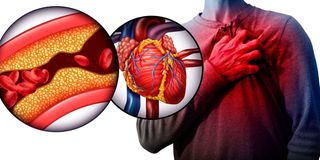
On one hand, a heart attack happens when one of the blood vessels supplying the heart muscle becomes blocked, cutting off blood flow to part of the heart. The heart is still beating, but that part of the muscle is being starved of oxygen and begins to die. The person is usually awake and conscious. Warning signs include chest pain, shortness of breath, cold sweat, nausea or vomiting, and the need for urgent hospital treatment to restore blood flow, often with medication or a stent.
A cardiac arrest, on the other hand, means that the heart has stopped beating, so blood no longer circulates. The person collapses, loses consciousness, and stops breathing. There is no pulse, and might be unresponsive. This is a medical emergency that requires immediate CPR and defibrillation to restart the heart.
In short, a heart attack is a “plumbing problem” of the heart’s blood supply, while a cardiac arrest may be the result of that, but can have many other causes as described above.
What to do if someone collapses
If you ever see someone suddenly collapse:
1. Check if they are responsive and breathing.
2. Call for help immediately, which also means finding ways to rush them for further treatment.
3. Start chest compressions (CPR), push hard and fast at the centre of the chest.
4. Use an Automated External Defibrillator (AED) if one is available and follow its voice prompts. An AED is a portable device that can be used to treat a person whose heart has suddenly stopped working.
Acting quickly can make the difference between life and death. Every minute without CPR or defibrillation reduces the chances of survival by about 10 percent.
Can you do CPR on someone who has had a heart attack? Or is it only for cardiac arrest?
CPR is only performed during cardiac arrest, not a heart attack.
In a heart attack, the person is usually conscious and breathing, even if in severe pain. What they need is urgent medical attention, not chest compressions.
CPR comes in only when the heart has stopped beating – that’s cardiac arrest. It keeps blood and oxygen flowing to vital organs until the heart can be restarted.