Depression, HIV, and back pain top list of conditions robbing Kenyans of daily function

Back pain, walking difficulty, and depression are the most common functioning problems affecting Kenyan adults, yet rehabilitation services remain out of reach for most, particularly in rural areas.

What you need to know:
- The most common was unspecified walking difficulty, which appeared in 15 of the studies, followed by depression in 11, housework difficulties in seven, walking difficulties over long distances in six, and numbness or tingling sensations, clinically known as paraesthesia, in five.
Millions of Kenyans living with chronic illness are struggling to walk, work, and care for their homes due to health conditions that have been largely overlooked by the country's overstretched health system, according to a study published in the African Journal of Disability.
The study, titled "Impact of health conditions on daily functioning in Kenyan populations: A scoping review," sought to examine the real-world effects of health conditions on what Kenyans can do in their daily lives and where those conditions limit them.
The researchers compiled data from 39 peer-reviewed studies spanning nearly two decades, from 2006 to 2023, involving more than 15,000 participants across the country. From that body of evidence, they found that major depressive disorder, HIV, low back pain, fractures, and osteoarthritis are responsible for the greatest share of functioning problems in Kenya.
To make sense of how these conditions actually affect people's lives, the team relied on the World Health Organization's International Classification of Functioning, Disability and Health (ICF) framework, a tool that shifts attention away from diagnosis and towards daily impact. As the authors explain, the framework is more concerned with whether someone has difficulty walking than with whether that person has diabetes. Applying this lens, the researchers catalogued 19 distinct functioning problems affecting Kenyan adults.
The most common was unspecified walking difficulty, which appeared in 15 of the studies, followed by depression in 11, housework difficulties in seven, walking difficulties over long distances in six, and numbness or tingling sensations, clinically known as paraesthesia, in five. When the researchers examined the severity of these problems among affected individuals, back pain emerged as the most prevalent complaint, reported in 78.1 per cent of relevant cases, followed by unspecified pain at 56.3 per cent and numbness or tingling at 51.8 per cent.
The study noted that in Kenya, disability is deeply intertwined with daily struggles like moving around, chronic pain, and mental distress. These challenges are rarely isolated. A physical issue like back pain does not just hurt; it stops you from working, which in turn harms your mental well-being and strains household finances.
Conditions such as severe arthritis, back pain, and fractures frequently make walking difficult. When mobility is impaired, simple domestic tasks like cooking, cleaning, and fetching water become major hurdles. Because daily functioning spans multiple areas of life, including moving, managing a home, and interacting with the community, one health condition can create dependencies across many different domains at once.
The authors describe this as an interconnected, spiralling effect in which improving one function, such as range of motion in the legs, can improve walking ability, which in turn can ease difficulties with household chores. This suggests that a single well-targeted intervention may set off a positive chain reaction across a patient's daily life.
These findings emerge against a backdrop of severe resource constraints in Kenya's health system. According to a 2019 Ministry of Health survey, the country has fewer than 1,500 rehabilitation professionals to serve a population of roughly 54 million people, and rehabilitation services remain concentrated mainly in national, county, and a handful of sub-county hospitals. This leaves rural residents, who make up 64 per cent of the population, with extremely limited access to care.
The gap is worsened by the fact that the underlying research itself is skewed heavily towards cities. Sixty-nine per cent of the studies included in the review were conducted in urban areas, compared with just 23 per cent in rural settings, a disparity the authors say reflects broader inequities in the country's health research infrastructure. Poor Kenyans rely on a public health system that receives only 9.5 per cent of the national health budget, despite 28.7 per cent of the population suffering from multiple, simultaneous illnesses.
Dr Janet Mwau, a physiotherapist at Kenyatta National Hospital (KNH), notes that many patients in rural Kenya face significant barriers before they ever see a physiotherapist. Many first visit the nearest dispensary, where rehabilitation services may not be available, and are often treated with pain medication that addresses the symptom without tackling the underlying cause. Others simply wait, assuming the pain will go away on its own. By the time they reach a facility with specialist physiotherapy and rehabilitation services, they may already have severe symptoms, reduced mobility, chronic pain, muscle wasting, a history of falls, or permanent functional limitations.
"Sometimes they are referred to higher-level hospitals, which could be many kilometres away from where they are. For many families in this situation, travelling repeatedly from one physiotherapy facility to another is very expensive and time-consuming. And so, they discontinue treatment because of transport costs; others go to traditional healers, while others just resign to fate and simply live with their problems," says Dr Mwau.
Dr Mwau notes that back pain, which is often ignored by many, is more than pain in the spine. It affects the muscles, joints, nerves, and brain, all of which work together to produce movement.
Also read: Weak erections, blood in urine, back pain: Symptoms men dismiss that could signal serious illness
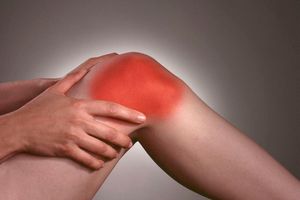
"When the body experiences pain, it naturally protects itself by restricting movement in the affected area to prevent further discomfort. Over time, this protective response causes muscles to tighten, joints to stiffen, and patients to start avoiding any activity they fear might worsen the pain. Someone with back pain stops lifting things from the floor. Someone whose knee hurts stops walking. Gradually, this leads to muscle weakness, reduced flexibility, poor posture, declining fitness, and a loss of confidence in basic movement," says Dr Mwau.
"When pain becomes persistent, the nervous system grows more sensitive, until even ordinary movements feel painful. Patients begin adjusting the way they sit, stand, walk, drive, and sleep because the alternative hurts. That is why physiotherapists focus not only on relieving pain but also on restoring normal movement, strength, confidence, and full body function," adds Dr Mwau.
The KNH-based physiotherapist also observes that the link between physical disability and mental health is not incidental but direct. Someone living with chronic pain or recovering from a stroke often loses independence, employment, and social connection. Those losses produce anxiety and depression.
Depression, in turn, reduces a person's motivation to exercise, attend therapy, or participate in rehabilitation, which slows recovery. The depression is not only a consequence of the pain but also becomes an obstacle to healing from it.
"Physiotherapists assess the whole person, not just the physical condition. We encourage patients, educate their families, set goals together, and refer to psychological or psychiatric support when needed. Kenya has made progress in this area, but multidisciplinary rehabilitation, where physiotherapists, occupational therapists, speech therapists, psychologists, nurses, doctors, nutritionists, and social workers work as a team, remains limited in many facilities and largely absent in rural areas," says Dr Mwau.
"In marginalised counties like West Pokot, Samburu, Turkana, and Marsabit, the situation is more acute. Some areas do not have even the most basic primary healthcare. Patients travel for hours across hundreds of kilometres to reach a facility with physiotherapy services, attend a single session because they cannot afford to return, and go home to be cared for by family members with no formal training. As a result, many people live with avoidable disabilities. They lose their livelihoods, become dependent on caregivers, and experience a sustained reduction in quality of life," adds Dr Mwau.
Dr Mwau also notes that the biggest single barrier to expanding rehabilitation in Kenya is the shortage and uneven distribution of the rehabilitation workforce. Physiotherapists and other rehabilitation professionals are concentrated in Level 5 and Level 6 referral hospitals, where caseloads are already overwhelming. Even counties that want to expand services often cannot, because the professionals simply are not there. Alongside workforce shortages, there is a need for sustainable funding for rehabilitation services and equipment, as well as greater awareness among both healthcare providers and the public of the value of early rehabilitation.
"Rehabilitation is not a luxury. It is an essential part of healthcare, and at the point where conditions can still be prevented or reversed, investing in it costs far less than managing the disabilities that result from neglect. The goal of physiotherapy is not only to reduce pain. It is to help people walk again, return to work, care for their families, and participate in society with dignity, moving from dependence to independence and from surviving to living," says Dr Mwau.