Feeling hungover? Don’t reach for that painkiller!

For many, the first instinct is to reach for painkillers to ease throbbing headaches or body aches.

What you need to know:
- Doctors agree on several safer remedies for hangovers: hydration with water or electrolyte-rich fluids, eating simple and balanced meals, and allowing the body enough rest.
- Preventive measures include eating before drinking, alternating alcoholic and non-alcoholic beverages, and pacing alcohol intake.
The morning after a night of heavy drinking often delivers the very opposite of the previous night’s euphoria.
The thrill of clinking glasses and downing shots fades into a heavy, lonely and sometimes painful experience.
Clinically, this is known as an alcohol hangover. In 2021, the World Health Organisation (WHO) formally adopted the definition of a hangover in the International Classification of Diseases, 11th Revision (ICD-11).
It describes a hangover as a combination of negative mental and physical symptoms experienced after a single episode of drinking, typically starting as blood alcohol concentration (BAC) approaches zero.

For people who are severely dependent, the usual recommendation is to take a permanent or temporary break from alcohol.
For many, the first instinct is to reach for painkillers to ease throbbing headaches or body aches. Yet, experts warn that this seemingly harmless remedy may in fact be dangerous, particularly when the drugs are taken too soon after alcohol consumption.
Abused
Because most painkillers are widely available over the counter, many people take them without medical guidance.
In Kenya, some are even dispensed in small shops by individuals without pharmaceutical training. Doctors caution that combining alcohol with certain medications can be harmful to vital organs—especially the liver and kidneys.
Prof Margaret Oluka of the University of Nairobi’s School of Pharmacy told Nation that, although alcohol alone can damage the liver, combining it with some painkillers—especially among chronic drinkers—significantly increases the risk.
“When someone takes paracetamol, for instance, it is generally considered safe,” she explained. “However, alcohol interferes with how medicines are broken down by the liver. It speeds up the process of breaking down some of these medicines.”
She added that this rapid breakdown can create toxic by-products. Under normal circumstances, a natural liver compound called glutathione neutralises the toxins. But alcohol reduces the body’s glutathione levels, making detoxification difficult and increasing the risk of harm.
“This does not happen only with paracetamol, though it is the most obvious example. Other painkillers, such as those containing aspirin, can increase acidity in the gut and predispose alcohol users to peptic ulcers,” she said.
For heavy drinkers, alcohol triggers enzymes that accelerate drug metabolism in the liver, creating further strain.

Beverages with comparatively low alcohol concentrations (such as wine and beer) speed up the movement of food in the stomach.
Prof Oluka noted that while studies have not conclusively shown that mixing alcohol and painkillers directly causes severe conditions such as liver cirrhosis, it remains a possibility.
“Chronic alcohol use itself leads to cirrhosis. Adding painkillers increases the likelihood of hepatotoxicity—liver damage caused by toxic substances,” she explained.
Safer options
Instead of painkillers, she advises rehydration as a safer remedy for hangovers. Drinking water or electrolyte fluids, she said, helps the body eliminate toxins more quickly.
Dr Lucas Nyabero, Doctor of Pharmacy and chief executive officer of Elara Health Innovations, emphasised that the risks depend on the type of painkiller taken. “Both alcohol and some painkillers use the same pathway for metabolisation in the liver,” he said. “There is a maximum dose of each drug a person can safely take in a day. Alcohol pushes the body closer to toxicity.”
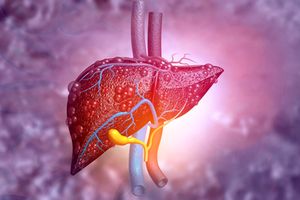
To illustrate, he compared the liver to a busy expressway. “If only one car is on the road, it flows smoothly, but when many cars enter, a traffic jam forms. Fuel burns faster, pollution increases, and drivers grow anxious. Nothing clears until the jam passes. That is what happens when alcohol and painkillers compete in the liver—it becomes overwhelmed, leading to injury,” he said.
Dr Christopher Opio, consultant gastroenterologist at the Aga Khan University Hospital, warned that combining alcohol with painkillers carries multiple dangers.
Also Read: Counterfeiters now targeting premium liquors
“Paracetamol may harm the liver, ibuprofen and aspirin can cause stomach bleeding, and opioids can slow breathing,” he said. According to him, the safest approach is to rest, drink plenty of fluids, and eat light, balanced meals.
“Avoid taking more alcohol, give your body time to recover, and if you must take painkillers, wait several hours. Eating before drinking and pacing yourself are the best preventive measures,” he advised.
Scientific research supports these concerns. A 2021 study published in Biomolecules and Therapeutics identified alcohol as a major factor that worsens the liver toxicity of non-steroidal anti-inflammatory drugs (NSAIDs) such as ibuprofen, aspirin and diclofenac.
“Drug-induced liver toxicity is affected by several factors including dosage, alcohol consumption, co-administered medications, diet, and pre-existing health conditions,” the study noted. “Chronic alcoholics are especially vulnerable, and NSAIDs are a major culprit, accounting for nearly 10 per cent of drug-related liver injuries.”
Usage guidelines
Another study, published in BMC Medicine, suggested that short-term use of paracetamol—up to three days—for pain or fever may be safe for patients who have recently stopped drinking. However, it also highlighted why healthcare providers remain cautious.
“Claims of an alcohol-acetaminophen interaction have prompted some providers to recommend reduced doses or even avoidance of acetaminophen in patients who drink,” the study stated. It added that all common over-the-counter painkillers carry warnings advising people who consume three or more alcoholic drinks daily to consult a doctor before use.
The wider concern, experts stress, is not only the medical interaction between alcohol and painkillers, but also the culture of casual self-medication. In many communities, particularly in Kenya, people obtain medicines from non-qualified sellers or take them without proper guidance, increasing risks of misuse.
Painkillers may appear harmless because they are familiar, cheap, and readily available. But when mixed with alcohol—especially repeatedly—the consequences can be severe, ranging from stomach ulcers to life-threatening liver damage.
Doctors agree on several safer remedies for hangovers: hydration with water or electrolyte-rich fluids, eating simple and balanced meals, and allowing the body enough rest.
Preventive measures include eating before drinking, alternating alcoholic and non-alcoholic beverages, and pacing alcohol intake.
Painkillers should be reserved for later, when alcohol has fully cleared from the bloodstream. Even then, dosage should be carefully monitored, preferably under medical advice.
“Rehydration remains the best remedy. Painkillers and alcohol simply do not mix,” said Prof Oluka.