Funding cuts threaten Kenya's hard-won HIV gains, warns UNAids
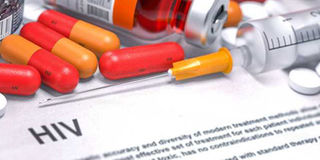
Key diagnostic services, such as routine viral load and CD4 monitoring, have been suspended following US aid disruptions.

As global efforts to reduce HIV infections intensify, a new report warns that funding cuts will undermine progress achieved over the past four decades.
The impact is already being felt in Kenya.
Although the latest UNAids report shows that Kenya is on track to achieve a 90 per cent reduction in new infections, figures from the National Syndemic Disease Control Council (NSDCC) this year reveal that the country records 54 new infections daily, particularly following the funding cuts.
The United to End Aids special report for the 26th International AIDS Conference was released during the ongoing conference in Rio de Janeiro, Brazil. Kenya was highlighted as one of the countries planning to increase domestic funding for HIV programmes.
Globally, external funding for HIV fell by 18 per cent, testing capacity dropped by 22 per cent, oral pre‑exposure prophylaxis declined by 38 per cent, and condom uptake by 90 per cent.
There is a global push to reduce mother‑to‑child HIV transmission to fewer than 100,000 cases worldwide for the first time in over four decades. Kenya, identified as one of the countries with the highest estimated need for prevention, has achieved at least 90 per cent coverage.
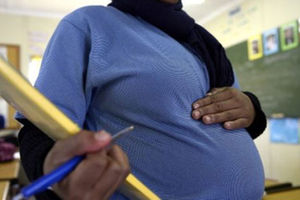
The NSDCC report notes that mother‑to‑child transmissions leave children vulnerable, accounting for about 22 per cent of all new HIV infections in 2025.
“It is an indication of the urgent need to strengthen the prevention of mother‑to‑child transmission (PMTCT) programme,” the report states.
It adds that funding cuts in 2025 affected prevention of vertical transmission in some high‑burden countries early in the year. However, full‑year figures indicate that most countries were able to prioritise and resume vertical transmission services.
In 2024, global funding for the HIV response amounted to US$18.7 billion, of which 48 per cent came from international donors.
A separate World Health Organisation (WHO) report also shows that reduced donor funding negatively impacted HIV prevention, testing, ART initiation, laboratory services, human resource capacity, community‑based services, and HIV data systems for monitoring.
Nelson Otwoma, director at the National Empowerment Network of People Living with HIV/Aids in Kenya (Nephak), said the UNAids report accurately reflects the impact of funding cuts, stressing that the effects are already being felt.
He told the Nation that one of the programmes affected is routine viral load testing for people living with HIV, which has been suspended.
“We don’t have ready money for it. The government is still negotiating a government‑to‑government deal with the US, and we don’t know how far that will go,” he said.
“When we talk about HIV monitoring and treatment monitoring, we have been using CD4 and viral load, and that was entirely funded by USAid and Pepfar. So, the moment that disruption came in, everything was disbanded.”
Otwoma noted that although Kenya is shifting towards domestic funding, the budgetary increase was largely for health in general, not specifically HIV.
“From the stop‑work order, 41,000 healthcare workers were laid off. Replacement has been a challenge. The government says it will not recruit healthcare workers specifically for HIV, but for health in general,” said the Nephak director.
He argued that HIV requires specialised care, with clinicians, laboratory staff, and adherence trainers essential for treatment.
“Those areas are already being impacted. We don’t have adequate healthcare workers to meet the need. The Ministry of Health says services will be integrated, but integration does not address the special needs of people living with HIV,” he explained.
He added that although mother‑to‑child transmission dropped from 9.3 per cent to 8.7 per cent, the decline is marginal.
“That is still very high. There was a time we were below five per cent, and that was because mothers on treatment were closely monitored. We don’t have that anymore,” he said.
Otwoma stressed that all is not lost, urging the government to strengthen HIV programmes and support women through the Social Health Authority. He also highlighted that many young people are not on treatment, leading to high infection rates in their cohort.
“While some start treatment, they drop off midway and become sick. We even lose some, because when they drop off, the viral load rises and transmission risk increases,” he said.
He expressed concern that community health promoters may be fuelling infections by promoting stigma. “They are not trained healthcare workers, so they don’t know how to uphold confidentiality. They are the reason young people are dropping off treatment,” he said.
In 2025, 1.2 million people acquired HIV, but UNAids data shows progress is uneven. Globally, new infections rose in three regions and 21 countries. Last year, about nine million of the 41 million people living with HIV were not on treatment, and almost half of all children living with HIV lacked access to antiretroviral therapy. More than half a million people (570,000) died of Aids‑related illnesses in 2025.
The updated 2030 UNAids target aims to expand life‑saving HIV treatment to 40 million individuals and antiretrovirals to 20 million. Crucially, the strategy seeks to reduce stigma, gender‑based violence, and discriminatory laws to below 10 per cent.
Meeting these goals could prevent an estimated 3.2 million new infections and 1.3 million Aids‑related deaths by the end of the decade.
Follow our WhatsApp channel for breaking news updates and more stories like this.