Hope for cancer patients as herbal drugs set for clinical trials
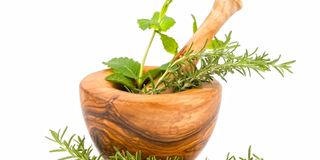
Researchers from the Centre for Traditional Medicine and Drug Research at the Kenya Medical Research Institute alongside scholars from leading universities, have conducted studies on medicinal extracts from various herbal plants for the treatment of cancer and a wide range of other diseases.

What you need to know:
- Kenya is set to integrate herbal medicine into national cancer care.
Cancer patients who cannot afford private healthcare have a reason to be optimistic as they may soon access herbal treatment instead of enduring pain while waiting in long queues for chemotherapy at public hospitals.
This follows plans by the Ministry of Health to incorporate herbal and traditional medicine into formal healthcare systems by 2028, a move aimed at fast-tracking access to affordable care and reducing cancer deaths linked to excessive treatment costs.
According to health specialists, thousands of Kenyans die from cancer annually due to the high cost of treatment and long waiting periods before patients are scanned and treated for the disease, which is the third leading cause of death in the country.
Researchers from the Centre for Traditional Medicine and Drug Research (CTMDR) at the Kenya Medical Research Institute (Kemri), alongside scholars from leading universities, have conducted studies on medicinal extracts from various herbal plants for the treatment of cancer and a wide range of other diseases.
“We are spearheading the Ministry of Health’s call to bring traditional medicines into our national healthcare system. The commitment includes, among others, policy recognition and system integration, regulation and quality assurance of traditional medicine products, research, evidence generation, and innovation,” said Prof Elijah Songok, acting director general of Kemri.
In February, Health Cabinet Secretary Aden Duale committed to integrating traditional medicine into the national health system by 2028.
Consequently, the National Treasury, through the Parliamentary Committee on Health, allocated seed funding to Kemri to develop and pilot the integration of herbal medicine, particularly for potential cancer treatment, into hospitals across the country.
“We developed six potential anti-cancer herbal drugs that will be piloted in referral hospitals beginning July 2026. The candidate herbal drugs are derived from plants commonly found in Kenyan forests and bushlands and are cultivable by farmers,” said Prof Songok.
He declined to name the anti-cancer herbal drugs, noting that the government is strengthening the legal and regulatory framework through the Traditional and Alternative Medicine Bill. The bill proposes the establishment of a regulatory council to oversee practitioners, licensing, and quality control of herbal products.
“Herbalists will work with oncologists, and the clinical trials of the anti-cancer herbal drugs will be administered in key hospitals across the country,” Prof Songok explained.
Kemri has identified Elgeyo Marakwet County as one of the regions harbouring the majority of plant species with potential anti-cancer properties.
“We have partnered with Elgeyo Marakwet to grow and cultivate the identified plants,” said Prof Songok, noting that the program will benefit both cancer patients and local communities, who will generate income by cultivating medicinal plants.
He said Kemri has partnered with the Kenya Forest Service, Community Forest Associations, and the Kenya Forest Research Institute, and has set up a tree nursery at Msekekwa in Keiyo North to provide medicinal plant species for distribution to willing farmers.
Statistics from the Ministry of Health indicate that cancer accounts for seven per cent of annual deaths, forcing county governments to allocate more funds toward setting up radiation treatment facilities.
“What we are witnessing is new cancer cases, and a lot needs to be done in terms of prevention and research,” said Dr Naftali Busakhala, an oncologist at Eldoret Hospital.
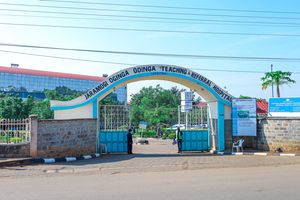
Moi Teaching and Referral Hospital (MTRH) is facing the challenge of handling a high number of cancer patients seeking treatment, both inpatients and outpatients, in the western Kenya region.
The second-largest referral hospital in the country has a unit that can handle 500 patients, which is inadequate for patients from as far as Uganda.
“The unit can handle diagnostics and chemotherapy, but the high charges are exorbitant for most patients,” said Dr Philip Kirwa, CEO of the facility. The construction of the state-of-the-art Chandaria Cancer and Chronic Disease Center, which offers both radiotherapy and chemotherapy, has proved a relief to many cancer patients in the region.
“Cancer is treated in six cycles, with charges ranging between Sh5,000 and Sh10,000, and we are working with insurance agencies to make it affordable to most patients,” explained Dr Kirwa.
According to the National Cancer Institute, the number of cancer cases has been on the rise in Kenya, with the country recording 47,887 new cases of all types of cancer and 32,987 deaths from all types combined.
As many as 133 people are diagnosed with the disease every day as the incidence continues to grow. About 90 Kenyans die from cancer daily, with many having been diagnosed too late for treatment.
Dr Festus M. Tolo, chief research scientist and deputy director of CTMDR at Kemri, said traditional and herbal medicine will be subjected to scientific verification and, once approved, will be registered with the Pharmacy and Poisons Board.
“Practitioners will undergo training to align their practices with modern medical standards. The Pharmacy and Poisons Board is also expected to play a key role in approving and monitoring herbal products for safety and efficacy,” explained Dr Tolo.
He said researchers are working to document indigenous knowledge and develop standardised dosages, packaging, and storage, among other factors, since some herbal treatments have proved effective in managing conditions such as cancer.
“We must bridge the gap between traditional knowledge and modern science. Evidence-based herbal medicine will strengthen our health system,” said Dr Tolo.
The integration of traditional and herbal medicine into modern medicine, however, faces challenges, including lack of standardisation, misdiagnosis, and the infiltration of unqualified practitioners into the system.
“There is need to set clear standards on who is recognised and qualified as herbalists. This requires continuous monitoring and public campaigns to ensure safe use of herbal medicine alongside conventional treatment,” said Dr Tolo.
He called for collaboration between hospitals and herbal medicine practitioners as well as strengthening of the legal and regulatory framework through the Traditional and Alternative Medicine Bill.