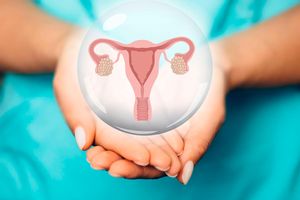
Is painful urination during periods a matter of concern?
normal hormonal changes in the menstrual cycles may worsen existing skin conditions and make it easier to develop others. Hormonal changes also make it easier to get infections like vulvovaginal candidiasis and bacterial vaginosis.
What you need to know:
- If the symptoms are from the pads, then changing the pads, changing pads regularly, or using different menstrual products may resolve the issue.
Doctor, every time I wear pads during my periods, I experience vaginal pain, especially when passing urine. This continues even after my menses have ended. What could be the cause, and what should I do?
Pamilla
Dear Pamilla,
There are several possible causes for the pain in your vulva and pain when passing urine after your periods.
- Skin irritation from friction: this may be due to friction between the pad and the perineal skin, especially during movement, and this tends to be worse with larger-sized pads. To manage this, use smaller pads and looser fitting cotton underwear. You can also try different menstrual hygiene products like tampons or menstrual cups.
- Contact dermatitis: this is skin inflammation when your skin reacts or is allergic to one or more components of the menstrual pad, which may include the pad itself or any perfumes/fragrances that are used in it. This can be managed by trying different pads to find one that you are not sensitive to. Use cotton pads that are unscented, or washable menstrual pads. You can also try different menstrual hygiene products like tampons or menstrual cups.
- Accumulation of moisture and heat from the collected menstrual flow. This may be worse if you wear the pad for too long or if you wear non-absorbent underwear. The moisture and heat can cause irritation on their own, and they also provide a good environment for bacteria to multiply and cause an infection. You can prevent this by changing the pads every three to four hours, or by using different menstrual hygiene products like tampons or the cup.
- Hormonal changes: normal hormonal changes in the menstrual cycles may worsen existing skin conditions and make it easier to develop others. Hormonal changes also make it easier to get infections like vulvovaginal candidiasis and bacterial vaginosis
- Autoimmune progesterone dermatitis: this is a rare skin condition that occurs for about one week to about three days after menses. The skin changes may include itching, rashes, sores or swellings that may affect the whole body, not just the perineal region.
It is advisable for you to be reviewed at the time when you have the symptoms for examination and relevant tests so that you can get an accurate diagnosis and treatment. If the symptoms are from the pads, then changing the pads, changing pads regularly, or using different menstrual products may resolve the issue. The effect of hormonal changes may not be completely avoided, but severe symptoms can be managed with treatments that control the hormone levels.
Dear Dr Flo,
One day I felt like fainting while at the gym. The previous night, I had taken alcohol. Since the Social Health Authority is in shambles, I am not able to visit a health facility for annual check-up.
Ken
Feeling faint or dizziness during exercise can happen because of increased consumption of oxygen and energy by muscles, dehydration due to increased sweating and also increased blood supply to the muscles, which may lead to reduced blood supply to the brain.
In addition to this, alcohol can negatively affect your workout/exercise. Alcohol is a diuretic, which means it makes you pass urine more, which can lead to dehydration and also depletion of some minerals. Alcohol also reduces production of glucose by the liver and may lower your blood sugar levels in addition to affecting your body’s ability to convert this sugar to energy.
The dehydration and low blood sugar levels may also cause dizziness or feeling faint. Alcohol also increases the risk of injury during exercise, increases lactic acid build-up, which increases soreness after exercise, and it prolongs repair/recovery after exercise.
To avoid feeling faint during a workout, take adequate water before and during exercise; eat well before exercise; learn how to breath well during and after exercise; pace yourself; and take time to warm up before and to cool down after exercise. Avoid alcohol for at least 48 hours before exercise. If you have to take alcohol, take two units or less, hydrate well and eat. When you fee faint, you can sit with your head between your legs to increase blood flow to the brain.
Hello Doc,
I’m 22 years old, and I recently started experiencing leg swelling every time I travel long distances. What could be the cause, and what can I do to prevent or treat it?
The swelling that you experience during long distance travel is due to fluid build-up around the tissues, also known as oedema. For blood to flow back to the heart from the legs, it has to flow against gravity; and it relies on the contraction of the leg muscles to push it back up. When you sit (or stand) for a prolonged period of time, gravity can lead to fluid accumulation. Sitting also increases pressure within the veins in the legs and feet, making it more difficult for blood to flow back to the heart. Also, not moving your leg muscles means there is no “pump” to push the blood back up.
To manage or prevent this, either stand and move your legs every 45 minutes or so, or do leg exercises where you are sitting. You may also use compression stockings to improve blood flow. If you are able to, raise your legs above your body when you are resting. Massaging the feet can also help resolve the swelling.
Other factors that can contribute to or cause the oedema include being overweight, hormonal changes, having high sodium levels (from taking too much salt), use of some medications; or other health issues such as varicose veins, kidney disease, heart disease, liver disease, among others.
Sitting for long is also a risk factor for developing deep venous thrombosis, that is, having a blood clot in the legs. This is a medical emergency and should be attended to urgently.
If the swelling persists, or if you have other symptoms such as leg pain, difficulty in breathing, chest pain, among others, it is advisable for you to seek urgent medical attention. After evaluation, necessary tests will be done and treatment will be given, depending on the diagnosis.
Send your questions to [email protected]