Kenya, China, and Unicef join forces to save mothers and newborns in northeastern counties
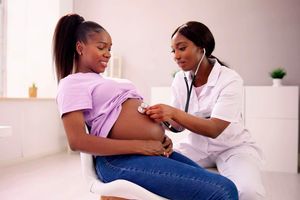
Each year, hundreds of Kenyan women die from causes related to childbirth, deaths that are largely preventable.

What you need to know:
- Each year, hundreds of Kenyan women die from causes related to childbirth, deaths that are largely preventable.
- Kenya’s maternal mortality ratio currently stands at 530 deaths per 100,000 live births, with the situation far worse in the northeastern counties.
Mothers and newborns in Garissa, Mandera, and Wajir counties are set to benefit from improved maternal and newborn healthcare following a three-way partnership between the Kenyan government, United Nations Children's Fund (Unicef), and the government of China.
The initiative comes after a Sh516 million ($4 million) funding commitment from the China International Development Cooperation Agency to Kenya’s Ministry of Health and Unicef. The funds aim to address the critical gaps in maternal and newborn health services in northeastern region.
The two-year project, dubbed Promotion of Health and Well-Being of Women and Children in Kenya, will supply county referral hospitals, sub-county facilities, and primary health centres with essential equipment to support care from antenatal through postnatal stages. It will also train healthcare workers and community health promoters as well as improve water, sanitation, and hygiene standards in health facilities to reduce infection risks.
“Behind every statistic is a mother, a newborn, and a family whose future hangs in the balance. This partnership is about changing those stories. Together, we are supporting the government’s efforts to reach those most at risk and to give every child a safe and healthy start to life,” said Dr Shaheen Nilofer,
Unicef’s representative in Kenya.
Each year, hundreds of Kenyan women die from causes related to childbirth, deaths that are largely preventable. Kenya’s maternal mortality ratio currently stands at 530 deaths per 100,000 live births, with the situation far worse in the northeastern counties.
According to Ministry of Health data, Garissa, Wajir, and Mandera are among the counties with the highest maternal death rates in Kenya. Skilled birth attendance is critically low in these regions, and preventable deaths remain alarmingly common.
Among newborns, the leading causes of death are prematurity (34 per cent), birth asphyxia (32 per cent), and sepsis. Many expectant mothers in Wajir and Mandera cannot afford adequate food, which worsens pregnancy outcomes and makes delivery more dangerous. Access to a trained nurse or midwife during delivery, something most Kenyans in other counties take for granted, is simply unavailable to many women in this region.
Health experts note that investing in community health promoters and equipping local facilities is among the most cost-effective ways to close this gap and save lives at scale.
"Through our partnership with the government of Kenya and Unicef, we are strengthening bilateral ties while supporting sustainable, locally driven solutions," said China's Ambassador to Kenya, H.E. Guo Haiyan.