Kenya records rise in new HIV infections after three-year decline
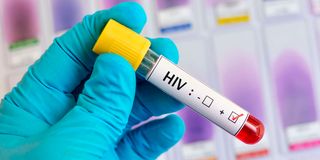
The cumulative number of new infections in adults reached 20,105 last year.

What you need to know:
- Lake Region counties still bear the brunt of HIV burden.
- Nairobi leads as Kenya records 24,000 new HIV cases in alarming reversal.
Kenya has reversed a three-year downward trend in new HIV infections, with new cases rising sharply in 2024, according to data released by the National Syndemic Disease Control Council (NSDCC).
The cumulative number of new infections in adults reached 20,105 last year, while children recorded 4,349 cases. This represents a significant increase from 2023, which saw 3,353 adult cases and 606 paediatric infections.
Women bore a disproportionate burden of the epidemic, with 13,236 new infections—double the number recorded among men during the same period.
Geographic distribution
Nairobi County recorded the highest number of new infections, with more than 3,000 people testing positive for HIV. Other counties with high infection rates included Migori (1,672), Kisumu (1,341), Homa Bay (1,180), and Siaya (873).
In contrast, Wajir, Tana River, Marsabit, Lamu, and Isiolo counties recorded the lowest numbers, with each reporting 40 or fewer new infections.
Five counties in the Lake Victoria region continue to shoulder the heaviest HIV burden in Kenya. Homa Bay leads with a prevalence rate of 11.41 percent—referring to the proportion of people living with HIV in the population at a specific point in time.
Counties with highest HIV prevalence:
• Homa Bay: 11.41 percent
• Migori: 11.09 percent
• Kisumu: 10.96 percent
• Siaya: 9.75 percent
• Busia: 5.31 percent
These same Lake Victoria counties also dominate in incidence rates, meaning they not only have high numbers of people living with HIV but also record the highest proportion of new infections per 1,000 people.
Top five counties by HIV incidence:
• Migori: 2.05 per 1,000
• Kisumu: 1.53 per 1,000
• Homa Bay: 1.43 per 1,000
• Siaya: 1.17 per 1,000
• Busia: 1.14 per 1,000
Wajir, Garissa, Mandera, Marsabit, and Nyandarua counties recorded the lowest HIV incidence rates.
Factors behind the surge
Cleopatra Wanjiku, the executive director of Voice of a Black Child, which works with young people and adolescents, believes many new infections stem from people unaware of their HIV status due to reluctance to test.
"We have normalised and made HIV look like it's not a big deal," Wanjiku told Nation. "People are even more afraid of getting pregnant than they are of getting an HIV infection."
She urged youth to embrace existing HIV preventive measures, including pre-exposure prophylaxis (PrEP), post-exposure prophylaxis (PEP), and condoms. "We need to emphasise the consistency and correct use of condoms because we have pregnancies and sexually transmitted infections," she said.
Nelson Otwoma, the executive director of the National Empowerment Network of People Living with HIV/Aids in Kenya (Nephak), suggested that last year's condom shortage may have contributed to rising infections.
"People nowadays downplay the issue of HIV infections," Otwoma told Nation. "Last year, Pepfar and Global Fund went slow on providing support for prevention and mostly focused on providing support for treatment. Kenya is committed to taking care of the prevention aspect, but there was no significant push for that."
Otwoma noted that active HIV/Aids prevention campaigns, once prominent, have now been "muted and are not supported", despite the epidemic's persistence.
Mixed progress
Despite the rising infections, Kenya has made strides in other areas. In January this year, former Principal Secretary for Medical Services Harry Kimtai announced that the country had surpassed global HIV targets of 98-98-94 set by UNAids. This means at least 98 percent of all people living with HIV know their status, 98 percent of those diagnosed are on sustained antiretroviral therapy (ART), and 94 percent of those on ART have achieved viral suppression.
However, the epidemic continues to claim lives. Last year saw approximately 21,000 Aids-related deaths, with Nakuru County recording the highest number at 1,698.
County-level challenges
Constance Were, Busia County Aids and STI Control Coordinator, described the new report as worrisome, despite some local improvements.
"We have a structure in place where we have the president for the youth, and they continue passing HIV prevention messages among the youth," he said.

A doctor draws blood from a patient to test for HIV.
Were added that Busia is a border county and that these infections are often found around the border. For this reason, organisations hold outreach events for truck drivers.
While mother-to-child transmission in Busia County dropped from 10.9 to 6.5 according to 2025 HIV estimates, challenges persist.
"We are having many challenges," Were said. "Right now, we are struggling with a mother who has completely refused to take medication. She has delivered, the child has been tested, and is also positive now. Usually, if a client doesn't agree to take medication, we can't force it on them because they will just throw it away."
Reporting by: Hellen Shikanda, Robert Malala, Lilys Njeru and Ruth Sarmwei