Kenya to benefit Sh6.8bn Unitaid funding to tackle preeclampsia, anaemia
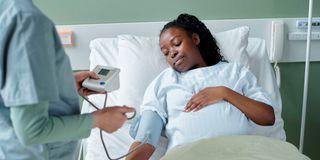
The country loses approximately 13 to 15 women each day due to pregnancy-related complications such as excessive bleeding, preeclampsia, and infections – all of which are largely preventable.

What you need to know:
- Preeclampsia, a condition that causes dangerous spikes in blood pressure during pregnancy, kills tens of thousands of mothers and around half a million newborns every year globally.
- Anaemia affects nearly four in 10 pregnant women worldwide, raising the risk of severe bleeding, early delivery, and underweight babies.
Kenya is among five African countries set to benefit from Sh6.8 billion ($52.5 million) in Unitaid funding aimed at tackling preeclampsia and anaemia, two of the leading causes of maternal and newborn death on the continent.
Preeclampsia, a condition that causes dangerous spikes in blood pressure during pregnancy, kills tens of thousands of mothers and around half a million newborns every year globally. Anaemia affects nearly four in 10 pregnant women worldwide, raising the risk of severe bleeding, early delivery, and underweight babies.
Both conditions are largely preventable and treatable, yet they continue to claim lives at scale across sub-Saharan Africa, where health system gaps between policy and patient remain wide.
The funding, channelled through the newly launched Saving and Sustaining Lives Through Preeclampsia and Anaemia Reduction with Innovative Maternal Solutions (SUPREME) initiative, is designed to address persistent delivery failures caused by broken supply chains, unreliable product quality, late diagnosis, and undertrained health workers.
SUPREME is a joint initiative led by Unitaid, the Clinton Health Access Initiative (CHAI), and Amref Health Africa. The partnership brings together market-shaping expertise, supply chain muscle, and on-the-ground implementation capacity, targeting Kenya alongside Tanzania, Malawi, Ghana, and Senegal.
CHAI will focus on affordability and supply reliability, working to shape markets so that quality medicines and diagnostics remain available at scale.
Amref, on the other hand, will lead implementation: training health workers, strengthening antenatal care services, and gathering evidence that governments can use to adopt and scale these interventions nationally.
Kenya has in recent years made a series of high-profile health system commitments, and SUPREME is structured to feed findings directly into policy cycles rather than sit outside them.
"Lifesaving medicines and diagnostics exist, yet too many women are unable to access them because of gaps in health systems," said Dr Philippe Duneton, executive director of Unitaid. "By accelerating access to both proven tools and innovations, we can help ensure that women everywhere benefit from the advances in maternal health."
On the supply chain front, even in facilities that stock the right medicines, availability is often inconsistent due to erratic procurement cycles, cold chain lapses, and last-mile distribution failures.
"Getting the right product to the right woman at the right time is harder than it sounds—and that's exactly the problem SUPREME is designed to solve," said
Marie Chantale Lepine, vice president of the Global Markets Team at CHAI. "Turning investment into lives saved depends on what's actually on the shelf when a woman walks through the door."
The initiative arrives at a critical moment for Kenya’s maternal health agenda. The government has committed US$7.8 million (Sh1 billion) to improve care for mothers and newborns, and Universal Health Coverage has become a central pillar of domestic health policy.
Yet, maternal mortality remains high. According to Kenya’s most recent health data, the country’s maternal mortality ratio stands at around 355 deaths per 100,000 live births, well above the Sustainable Development Goal target of fewer than 70. Anaemia and hypertensive disorders of pregnancy are among the leading clinical contributors.
For Amref, whose networks extend deep into community health systems across East Africa, the work goes beyond facilities.
“The medicines and diagnostics exist, but the real challenge is ensuring they reach women at the right time and in the right place,” said Dr Githinji Gitahi, Group CEO of Amref Health Africa. “Through SUPREME, we will work with African governments, health workers, and communities to embed these innovations into strong antenatal care systems that serve and protect women, no matter where they live.”
Community health workers are expected to be a key delivery channel, particularly for reaching women who do not access formal antenatal care until late in pregnancy, or not at all.