Living with post-traumatic epilepsy: The devastating journey of Brian Otieno

Brian Otieno during the interview. He developed post-traumatic epilepsy after sustaining a head injury in a motorbike accident.

What you need to know:
- After a motorcycle accident 16 years ago, Brian Otieno developed post-traumatic epilepsy.
- Dr Lee Ogutha, a neurosurgeon, explains that PTE results from head injuries and requires lifelong medication, which is expensive and often unavailable.
- Despite daily challenges and persistent stigma, Brian remains resilient.
The accident stole more than just his memory. It took his freedom, his beloved sport, and the simple joy of predictable days. Sixteen years later, Brian Otieno still carries the weight of those lost moments from a night that changed everything.
"Each hospital visit for routine therapy is a painful reminder of the accident that nearly took my life," says Otieno, now 40, his fingers unconsciously tracing the prominent scar on his head—a permanent marker of the trauma that reshaped his existence.
The physical wound has long since healed, but the invisible aftermath lingers. What began as a celebratory day in 2009 ended in a hospital bed and a lifelong battle with post-traumatic epilepsy (PTE), a condition few understand but many suffer from in silence.
Night lost to darkness
The 24-year-old hockey enthusiast had everything to look forward to. Fresh from graduation at Maseno University and volunteering at a local organisation, Otieno spent that fateful Saturday morning doing what he loved most—participating in a hockey tournament.
"All I remember is that the motorcycle started speeding towards the central business district," Otieno recalls, his memory fading precisely where the story turns tragic. The next chapter of that evening remains locked away, erased by the impact that nearly claimed his life.
His parents, expecting him home that evening, assumed he had stayed with friends at Maseno University. The first sign of trouble came the following day when a friend discovered Otieno's identification card near Kisumu Boys High School and delivered it to his worried family.
"That is when it hit my family that something bad might have happened to me. Several calls were made but no one could tell where I was," says Otieno.
The desperate search through police stations and health facilities ended at Kisumu County Referral Hospital, where they found him lying on the floor outside the male wards—clothes soaked in blood, head swollen from a fresh injury.
They quickly arranged his transfer to Aga Khan Hospital. An MRI scan revealed a blood clot next to his brain, necessitating immediate surgery. Days in the intensive care unit followed before his move to the general ward and eventual discharge.
Seizures begin
Recovery seemed straightforward initially, but strange symptoms began to emerge.
"Sometimes I would wake up with tongue injuries and could not explain what had happened at night. One morning I experienced a serious convulsion. Luckily, the rest of the family was awake," Otieno recounts.
A trip to a local health facility provided temporary relief, but the convulsions only intensified.
"I would have seizures at home, work, on the road and at times I would just wake up in hospital," he says.
Further medical tests delivered the diagnosis: post-traumatic epilepsy. The news bewildered his parents, who insisted no one in their family had ever suffered from such a condition. The doctor explained that the head injury, not genetics, had triggered the disorder.
Then came the life-altering news—Otieno would need medication for the rest of his life to manage the seizures. Speaking to Healthy Nation, he explained that the drugs are not only expensive but rarely available in most health facilities.
Understanding PTE
Dr Lee Ogutha, a consultant neurosurgeon at Jaramogi Oginga Teaching and Referral Hospital, explains that PTE results in seizures or convulsions due to previous head injury.
"Individuals diagnosed with PTE are those who experience more than one unprovoked seizure seven days after brain injury," says Dr Ogutha, who also lectures at Maseno University School of Medicine.
According to the neurosurgeon, if seizures occur within the first 24 hours or within seven days of brain injury, they're classified as early and late post-traumatic seizures, respectively.
"The injury can result in seizures immediately, any time within seven days or three years later," he explains. Symptoms include convulsions, foaming at the mouth, and patients sometimes biting their tongues or lips during episodes.
A life redefined
Brian's life has transformed dramatically. Hockey, once his passion, is now off-limits. Long journeys have become impossible, and the constant fear of public seizures has pushed him into isolation.
Dr Ogutha notes that PTE can stem from various causes: car accidents, penetrating injuries like gunshots, falls from heights, internal head bleeding, or any accident causing direct injury to the brain's surface.
Once diagnosed, patients require daily anti-epileptic medication. "Medical evidence has shown that placing a patient with head injury on anti-epileptic drugs within the first seven days of brain injury reduces their risks of developing PTE," he says, adding that patients who undergo brain surgery are also prescribed these medications.
The neurosurgeon advises that people with this condition should avoid working around heavy machinery or engaging in potentially dangerous activities like swimming or cooking over open fires, which could prove catastrophic during a seizure.
Who's at risk?
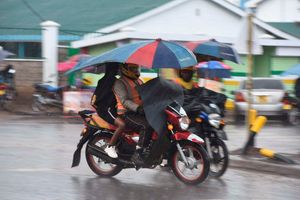
PTE is particularly common among motorcycle riders and passengers due to high accident rates. Construction workers and athletes facing high-risk activities also show increased vulnerability, as do chronic alcoholics and elderly individuals with weaker brain resilience.
Management remains challenging, Dr Ogutha notes, citing high costs, drug shortages, and persistent stigma—some communities still attribute epilepsy to witchcraft rather than recognising its medical nature.
He emphasises the critical need for protective gear for those traveling in risky environments. Safety belts and helmets aren't optional—they're essential precautions against the kind of traumatic brain injuries that can trigger PTE.
"It is important to note that prevention of head injury is the best precaution," the doctor stresses, adding: "Epilepsy doesn't have to be a death sentence. With proper care, patients can lead fulfilling lives."
Despite the daily challenges, Brian remains resilient. His ongoing journey highlights the urgent need for greater awareness, affordable treatment options, and robust societal support for those living with post-traumatic epilepsy.