Looming drug crisis to hit cancer, diabetes, HIV patients
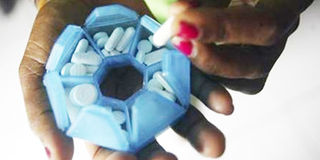
A lady prepares her HIV medicine.

The Kenya Pharmaceuticals Distributors Association (KPDA) has warned of a potential drug crisis in the country over the next two weeks.
The association attributes the impending crisis to regulatory changes that restrict access to thousands of essential medicines.
KPDA has blamed new regulations by the Pharmacy and Poisons Board (PPB, which it says were haphazardly implemented three weeks ago.
“The Pharmacy and Poisons Board (PPB), in the course of preparing for a World Health Organization (WHO) audit aimed at elevating Kenya’s regulatory authority to Maturity Level 3 status, reconfigured its medicines importation portal. While reforms were intended to improve oversight, the outcome has been catastrophic: over 21,000 essential medicines have been blocked from importation,” said KPDA chairperson Dr Kamamia Murichu.
Dr Murichu revealed that Kenya is 80 percent reliant on imported medicines and that the disruption is a threat to public health and the Kenyan economy.
He warned that drug shortages are imminent and that national stocks of life-saving drugs are projected to run critically low in two weeks.
Dr Murichu further revealed that among the affected medicines are antibiotics, cancer therapies, antimalarials, vaccines, insulin, blood pressure drugs, and HIV therapies.
“At least 1.5 million Kenyans living with diabetes require insulin and oral drugs. About 2.2 million Kenyans suffering from hypertension also rely on daily medications. The interruptions could double the risk of stroke and heart attacks. We have 82,000 new cancer cases annually, with 47,000 deaths. Chemotherapy and supportive drugs are already expensive; scarcity will worsen mortality," warned Dr Murichu.
"The same applies to 1.4 million Kenyans living with HIV/AIDS, who are on treatment. Supply chain disruptions will reverse decades of progress,” he added.
The KPDA chair says that with the expected shortage, the retail prices of the medicines are also expected to increase by 30 percent to 50 percent.
“This will result in a household burden. For example, diabetes treatment costs Sh4,000 to Sh6,000 in a month, but this could rise to between Sh7,000 and Sh9,000 per month. Hypertension drugs currently retail at between Sh1,500–2,500 per month, but with the expected acute shortage, the prices of these essential drugs will rise to between Sh3,000 and 4,000 per month. This will be an out-of-pocket additional expenditure, which is already at 26 percent of total health spending, threatening to push thousands of households below the poverty line,” noted Dr Murichu.
The association said the abrupt system change by the PPB comes in the wake of recent high-level stakeholder consultations, where it was agreed that annual retention of licenses and registrations would be completed by the end of this year.
“By altering the medicines importation portal midway, the PPB has disrupted those timelines, raising serious concerns about governance, transparency, and coordination with stakeholders. Such unilateral changes undermine trust between the regulator, healthcare providers, and the public. It risks paralyzing the very system they are mandated to protect,” notes Dr Murichu. However,the government has moved to quell fears of an imminent drug shortage by dismissing claims that over 21,000 essential medicines have been blocked from entering the Kenyan market.
In a statement by the Pharmacy and Poisons Board (PPB), the reports were described as deceptive and intended to incite public fear.
The PPB, which serves as the country's national medicines regulatory authority, emphasised that there was no blockage of medicines and that essential drugs remained available for local manufacture and importation
According to the board, approximately 9,000 registered medical products, which meet all required safety and quality standards are currently active and accessible across the country.
"Contrary to these falsehoods, there is no blockade of medicines in Kenya. The Board has duly retained approximately 9,000 registered medical products that meet national and international standards for safety, efficacy, and quality. These products remain available for local manufacture, importation, and distribution," a statement from the PPB read.
According to a Health Ministry report released last December, Kenya still relies heavily on imports to meet its Health Products Technologies (HPT) needs, a dependency that poses stock-out risks, as seen during the Covid-19 pandemic when supply chains were disrupted.
The report states that only 20 percent of the Kenya Medical Essential List (KEML) formulations are produced locally.
The high imports are even though Kenya zero-rated raw materials and finished pharmaceutical products to promote local manufacturing by at least 50 percent by next year, according to a Presidential directive by President William Ruto in 2023.
Despite initiatives like zero-rating of raw materials and finished pharmaceutical products and policies such as the Sessional Paper No. 04 of 2012 on National Pharmaceutical Policy, Vision 2030, and the HPT Supply Chain Strategy 2020-2025 aimed at promoting domestic manufacturing, trends show a continued growth in pharmaceutical trade, favouring imports. There is an imports-exports imbalance, despite the potential for the pharmaceutical industry in Kenya to meet national and regional demands. Persistent challenges of access to affordable and quality essential HPT have slowed down the attainment of UHC,” reads part of the report.
The stringent measures the KPDA says were haphazardly implemented were first announced by PPB chief executive officer Dr Fred Siyoi in a stakeholders meeting held last month, where the CEO emphasized the importance of stringent regulation to safeguard public health and called for strengthened collaboration to enhance public safety and regulatory oversight.
Also Read: Drug shortage hits county hospitals
The meeting was attended by representatives from the Kenya Association of Pharmaceutical Industry (KAPI), Kenya Pharmaceutical Distributors Association (KPDA), Medical Technology Industry Association of Kenya (MEDAK), Federation of Kenya Pharmaceutical Manufacturers (FKPM), and the Regulatory Affairs Professional Society of Kenya (RAPSK).
KPDA appeals to the Pharmacy and Poisons Board (PPB) to immediately restore access to the 21,000 blocked medicines.
“The Ministry of Health and Parliament should provide urgent oversight, legislative intervention, and ensure Kenyans’ constitutional right to health is upheld. President William Ruto should personally intervene to avert a national health disaster, in line with his commitment to Universal Health Coverage (UHC). Failure to act will plunge Kenya into a preventable public health catastrophe, threatening the lives of millions, destabilizing the healthcare system, and burdening an already fragile economy,” said Dr Murichu.
He says inaction will affect healthcare systems, noting that Kenya has over 12,000 registered pharmacies and 6,000 health facilities that risk closures or reduced services due to stockouts, eventually resulting in potential job losses for thousands of pharmacists, clinicians, and support staff.
“It has a serious economic ripple effect. The pharmaceutical sector employs more than 20,000 people directly and supports many more through supply chains. Medicine shortages will force Kenyans to seek alternatives abroad, increasing medical tourism outflows currently estimated at Sh10 billion annually,” said the association chairperson.