Planting seeds of change: How inmates are reviving Mau Forest
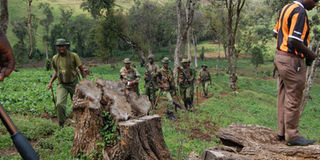
KFs rangers patrolling a depleted section of Maasai Mau Forest.

What you need to know:
- Inmates are trained to manage nurseries, maintain orchards, and care for both indigenous and exotic species.
- They also learn how to manage water and energy systems that keep the nurseries alive
Kenya’s ambitious tree-planting campaign has turned attention to the Mau Forest Complex, where millions of seedlings are being planted to restore one of the country’s most important ecosystems.
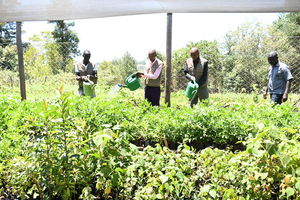
An unexpected player in this effort is the State Department for Correctional Services. Behind prison walls, inmates are tending nurseries that have already produced hundreds of thousands of seedlings, with a long-term target of 100 million.
Dr Salome Muhia-Beacco, Correctional Services PS, explains how prisons are linking environmental restoration with inmate rehabilitation, and the challenges and opportunities that lie ahead.

Correctional Services PS, Dr Salome Wairimu Muhia-Beacco during the Mau Forest Complex Integrated Conservation and Livelihood Improvement Programme event held in Nairobi on September 17, 2025. The 10-year initiative aims to restore and sustainably manage the foresy, enhancing ecosystem functionality, climate resilience, and community livelihoods.
Kenya has made headlines with its massive seedling drive at the Mau Forest. Where do prisons fit in?
Correctional Services is a big part of that effort. So far, we have donated 250,000 seedlings to the Mau Complex and plan to double that to 500,000. Our ultimate goal is to raise 100 million seedlings from our nurseries across the country. But it’s not only about numbers. Each seedling represents environmental restoration and an opportunity for inmates to gain skills that help them reintegrate into society.
Also read: The unlikely guardian of Boni Forest
Critics say many tree-planting drives don’t survive beyond the photo opportunity. How do you ensure this one makes a real impact?
Sustainability is central. Inmates are trained to manage nurseries, maintain orchards, and care for both indigenous and exotic species. They also learn how to manage water and energy systems that keep the nurseries alive. Once planted, we encourage communities and partners to “adopt prisms” model, essentially taking responsibility for boundaries or sections of forest to protect seedlings as they grow.
How exactly does tending seedlings tie into rehabilitation for inmates?
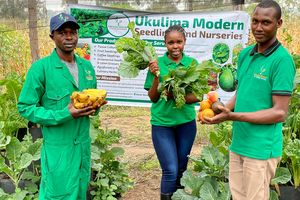
We run 66 nurseries in correctional centres nationwide. Inmates learn grafting, orchard creation, medicinal plant management, and even beekeeping. For example, those in Machakos and Kitui are producing honey commercially. These are transferable skills. When inmates leave, they can start businesses, find work, or even run their own farms. It reduces the likelihood of reoffending and creates livelihoods.
What challenges do you face in producing so many seedlings?
Resources. We need more manpower, potting bags, reliable water systems, and clean energy. With the right support, we could generate more than one million seedlings every month. That’s why we are calling on partners and the public to help scale up.
You have mentioned clean energy. Why is that important in this programme?
Most prisons still rely on firewood, which drives deforestation and harms inmates’ health. We are transitioning to LPG, biogas, and solar reduce that dependence. It also ensures our nurseries and plantations have the energy and water they need. Some partners have already helped us solarise boreholes and purify water, which makes the whole system more sustainable.
Can you give an example of a prison that has successfully embraced these green initiatives?
Kodiaga Prison in Kisumu is a good example. It relies extensively on solar energy and has thriving nurseries and plantations. We want to replicate that model in the Rift Valley and other regions as support grows.
With all these ambitions, what’s your message to potential partners?
Every contribution matters. Supplying potting bags, adopting a prism, supporting clean energy, or providing water systems all make a difference. Seedlings are not just trees—they are skills, livelihoods, and hope. Together, we can restore forests and reform lives.
Looking ahead, what’s your vision for this programme?
In the next decade, we want to plant 100 million seedlings while proving that correctional centres can be places of transformation. Inmates will leave with knowledge and confidence to contribute positively to society, and Kenya will gain greener, healthier forests.