Silent suffering: The women enduring debilitating period pain without relief
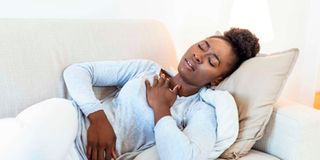
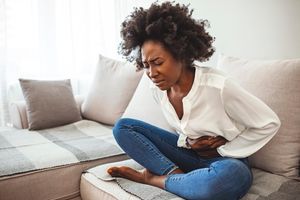
A young woman suffers menstrual cramps.

What you need to know:
- Dysmenorrhea -painful menstrual cramps- is one of the most prevalent gynecological issues among women, affecting nearly 95 per cent of those in their reproductive years.
Every month like clockwork, thousands of Kenyan women brace themselves for days of agony, enduring menstrual pain so severe it leaves them writhing on floors, missing work, or even hospitalised—all without a single painkiller.
While some have been told by their parents or guardians that enduring this agony is a rite of passage, a test of strength they must face without help, others fear pain medication will harm their bodies or future fertility.
Now doctors say these women are silently battling undiagnosed dysmenorrhea - painful menstrual cramps.
They say dysmenorrhea is one of the most prevalent gynecological issues among women, affecting nearly 95 per cent of those in their reproductive years.
They highlight that despite its association with reduced quality of life, including absenteeism from work or school as well as increased levels of depression and anxiety, less than half of women seek medical help.
Healthy Nation spoke to six young women who have never taken painkillers since their first period. One had to undergo surgery after the pain became unbearable. Doctors established she had an underlying condition that had intensified the pain.
Experts advise on what those who don’t take painkillers must do to navigate their period pains and whether there are any solutions to their predicament.
Neema Kyobisinge, 26
For Neema, the arrival of her menstruation at age 13 marked the beginning of a lifelong battle with pain – one she was taught to endure in silence.
“For the last 24 hours, I have been lying prostrate on the carpet, writhing in excruciating pain that feels like someone is endlessly stabbing me in the abdomen with a sharp knife. I really hate this time of the month especially because my mother has consistently reminded me to never to use painkillers for period pains,” she tells Healthy Nation.
She discloses that in her family of eight female siblings and even extending to her aunties and previous generations, going through period pains without painkillers is seen as ‘badge of honour’ as they navigate womanhood.
“When I got my first period, my mother immediately warned me - 'No pills. They'll ruin your womb and affect your child bearing abilities in the long run.'"
“The most I can do to navigate the pain is take a warm bath, which my mother told me relaxes the muscles around the abdomen. I also massage my tummy with a warm water bottle wrapped in a towel.”
Alvinia Ngugi, 24
Alvinia from Roysambu clutches a warm, damp cloth to her abdomen - her only defence against menstrual pain so severe she rates it "9 out of 10, like being stabbed with something sharp and huge. Like generations before her, she believes enduring this monthly torture without medication is her cross to bear as a woman.
“I keep off pain killers and use a cloth soaked in warm water, which I gently press on my belly. This eases the pain for just about an hour at most.”
She can't sit upright from debilitating backache. “I spend sleepless nights spent writhing for comfort when I am on my periods.”,
Ondiro Oganga, 30
Ondiro's menstrual pain was so severe it defied measurement - a constant torment that left her curled in a foetal position, weeping uncontrollably, as her stomach twisted with what felt like "a thousand sharp stabs."
The international journalist says the cramps were so intense she couldn't walk. “At some point I gave up because you cannot pop painkillers every single day.”
After a decade of misdiagnosis, she travelled to South Africa, where doctors finally identified the condition that was stealing her quality of life. “By the end of June 2024, I was wheeled into theatre, where I underwent a life-changing operation.”
“Now, the quality of my life has improved and the bleeding has significantly reduced.
I don't need painkillers anymore.”
Eve Nanjala, 32
Like Ondiro, Eve had to undergo a surgical procedure to make her period pains go away.
Myomectomy is a surgical procedure specifically designed to remove uterine fibroids - noncancerous tumours - while preserving the uterus
It allows women to potentially maintain their fertility and continue menstruating.
The procedure is an alternative to hysterectomy, which removes the entire uterus.
“They removed 46 fibroids from my uterus. Previously, my cramps were so painful I would spend most of my time in high school in the sick bay. As an adult, I would miss work on the first and second day of my period cycle as the pain was usually unbearable and crippling.”
It would get worse and sometimes she would be rushed to hospital at night for intravenous painkiller injections.
“Later on I started experiencing a very heavy and abnormal flow and would unknowingly soil my dress, office chair and car seat.”
At first, Eve did not pay much attention having been conditioned to believe that period pains are a normal thing which she must face head-on as a woman.
But things got worse.
“I started feeling dizzy, tired and extremely irritable. That’s when I decided to see a gynaecologist, who diagnosed me with below normal blood levels.
“I got five blood donors and was booked for blood transfusion and surgery the next day.”
Expert's views
Dr Godfey Mutakha, a consultant obstetrician-gynecologist and the chair, Department of Obstetrics and Gynecology at Masinde Muliro University, says medics have noted with concern the rising cases of dysmenorrhea in the country
Dysmenorrhoea, he points out, is one of the most prevalent gynecological issues among women, affecting nearly 95 per cent of those in their reproductive years.
“Despite its association with reduced quality of life, including absenteeism from work or school as well as increased levels of depression and anxiety, less than half seek medical consultation for these symptoms. This hesitance may stem from societal norms that trivialise menstrual discomfort as an inevitable aspect of menstruation alongside experiences where healthcare providers dismiss concerns or provide inadequate care,” he said.
Dr Mutakha further explains that menstrual cramps manifest as throbbing pain in the lower abdomen, occurring before or during menstruation.
Unlike mild cramping that does not impede daily activities, he says, dysmenorrhea involves intense pain along with other debilitating symptoms affecting one’s ability to engage fully in work or educational settings.
“Typically characterised by abdominal cramps lasting between eight hours up to three days post-onset of menstrual bleeding, severe menstrual pains often co-exist with additional symptoms including nausea, vomiting, diarrhoea, headaches, dizziness, lower back pain, radiating leg pain, fatigue and sleep disturbances.
“I strongly advise women to immediately consult their doctor if they experience pain interfering significantly with daily living tasks or worsening progressively, abnormalities in uterine bleeding, unusual vaginal discharge, discomfort during sexual intercourse, pain that disrupts daily activities or worsens over time, abnormal uterine bleeding and pain during sex,” he notes.
So, what should women do to ease their suffering during very painful periods?
First, Dr Mutakha says they need to change their diet and consume less sugar as certain eating habits are linked to an increased likelihood of experiencing moderate-to-severe dysmenorrhea.
These dietary habits include high intake of refined cereals, processed meats, and sugars, consumption of caffeinated drinks and insufficient consumption of fruits and vegetables.
“The Western dietary pattern, noted for its high levels of red meat, processed foods, refined grains, and sweets is correlated with a heightened risk for endometriosis along with associated menstrual discomfort.”
Although individual responses may differ, research indicates these dietary changes could alleviate menstrual pain.
This is why Dr Mutakha recommends a Mediterranean diet as individuals adhering to this anti-inflammatory diet—rich in fruits, vegetables, whole grains, nuts as well as olive oil—often display lower systemic inflammation alongside diminished menstrual pain.
He also recommends a low-fat vegetarian diet.
“This eating approach has been shown to lessen both the duration and severity of dysmenorrhea. Studies also suggest that women who engage in consistent exercise experience fewer instances—and less intensity—of menstrual cramps,” he observes while explaining that exercise can enhance blood circulation within the pelvic region while promoting the release of endorphins that act as natural pain relievers.
Also, targeted physiotherapy aimed at strengthening or stretching pelvic floor muscles appears beneficial in managing dysmenorrhea symptoms.
“One study revealed participants undergoing a three-month physical therapy regimen experienced reduced dysmenorrheic issues by trial's conclusion; this protocol included general stretching exercises, focused stretches targeting muscles around the abdomen, jogging at 60–70 per cent maximum heart rate, Kegel exercises and diaphragmatic breathing technique.”
Stress levels
According to the expert, research also shows a clear correlation between stress levels and dysmenorrhea occurrence after one study found individuals under significant stress were over twice as likely to endure painful periods compared to those reporting minimal stress exposure.
“Stress can elevate prostaglandin production while also decreasing progesterone levels during luteal phases, which further exacerbates cramping sensations throughout menstruation cycles.”
Prostaglandins are a group of lipid compounds found in the body that act like hormones and play a role in various processes like blood clotting, blood flow, inflammation, and pain.
“They are produced in response to injury or infection and can be involved in both promoting and resolving inflammation,” he explains, adding that effectively reducing stress might help mitigate period pains via improved hormone balance and inflammatory response regulation.
“Evidence-based strategies include yoga, meditation and deep breathing.”
For the women who don’t want to use pain killers…
For those women who prefer non-pharmaceutical options to relieve period pains, Dr Mutakha has a prescription.
“Applying heat can alleviate menstrual cramps by increasing blood flow to the affected area, which can help relax muscles and reduce pain associated with ischemia and spasms.”
A systematic review illustrated how applying heat substantially eased menses-related aches when compared placebo groups; even outperforming pain killers like acetaminophen ibuprofen,” he notes while further urging this group of women to combine heating with castor oil packs—a remedy known historically to be rich in ricinoleic acid that supports healthy inflammatory reactions alongside mitigating painful sensations.
“Herbal remedies can also be used to ease excruciating period pains. They include chasteberry, ginger, fennel, black seed oil and French maritime pine bark extract.There are also nutritional supplement alternatives that can help alleviate dysmenorrhea, including magnesium, Omega-3 fatty acids from fish oil, Vitamin B1 (Thiamine) and Vitamin E.”