Turkana unveils tough measures to end rampant drug theft in health facilities
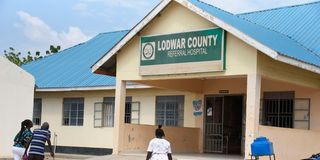
Lodwar County Referral Hospital in Turkana County. Drug theft has been rampant in Turkana and the county government has come up with measures to end the problem.

What you need to know:
- Turkana introduces direct supply and electronic tracking systems to combat rampant drug theft in health facilities.
- Rogue health workers exploited loopholes for years, but county reforms now secure drugs for vulnerable patients.
Turkana County has taken bold steps to curb the rampant theft of essential drugs and medical supplies crippling its health facilities, particularly between procurement and distribution.
For years, residents have endured the troubling paradox of empty shelves, despite the county’s efforts to stock facilities with pharmaceuticals and other supplies, forcing many to buy from private chemists. Only medicines supplied directly by development partners have consistently reached patients.
The crisis stemmed from a flawed system where the county health department placed a single bulk order with the Kenya Medical Supplies Authority (Kemsa). All consignments were delivered to Lodwar, from where senior officials coordinated distribution. However, weak tracking systems created loopholes exploited by rogue health workers, leading to theft and artificial shortages that left patients vulnerable.
“Drug theft and resale immediately after restocking public health facilities remain a major challenge for the health department. The thieves are ruthless. As a result, many facilities lack essential drugs like painkillers, forcing patients to purchase them from private chemists,” said Lodwar resident Joseph Egelan.
He added that although the county allocates funds for procuring pharmaceuticals, it has not effectively sealed loopholes to secure supplies and ensure they serve their intended purpose.
County Medical Services Chief Officer Gilchrist Lokoel, however, maintains Turkana now makes direct requisitions based on actual needs from each of its 234 health facilities. “Once procurement is complete, Kemsa seals all consignments and ensures direct transportation to the requesting health facilities, where officials verify that the supplies match the orders,” he says.
Dr Lokoel explained that the new last-mile distribution model was rolled out after the county government procured Sh120 million worth of health products and technologies. He reassured residents that with this approach, commodities will reach even facilities in remote villages.
“We are now robust enough to meet the needs of our people when they visit our health facilities. This investment ensures continuous access to lifesaving pharmaceuticals, medical products, and other essential commodities,” he said, calling it a bold investment.
At Lodwar County and Referral Hospital, management has intensified efforts to eradicate internal theft, which has long contributed to artificial shortages. Chief Executive Officer Nancy Nyanga confirmed that a drug theft syndicate has been operating within the facility, forcing patients to turn to private chemists.
“Thanks to CCTV footage, we caught the staff red-handed. This pushed us to strengthen surveillance and introduce an electronic tracking system that records drugs from storage to the patient,” she revealed.
The hospital’s most vulnerable consignment has been snake venom antiserum, part of a newly procured batch worth Sh29 million. It has been a prime target for thieves and remains highly sought after by cartels. To strengthen monitoring, the hospital has partnered with mobile service provider Safaricom to secure reliable internet connectivity.
“Since we took surveillance seriously, we have identified staff involved in misconduct, including the one arrested for drug theft. With the electronic drug tracking system, we hope to eliminate pilferage,” she said.
County ICT Officer Washington Odoyo said additional surveillance systems are being installed, especially in inpatient units, to seal loopholes. Chief Pharmacist Dennis Sinei described strict new protocols: no medication leaves the store without being received, recorded, and entered into the system before being dispensed to patients.
He explained that once suppliers deliver drugs, an inspection and acceptance committee verifies that the consignment meets requested specifications.
“We capture the drugs in the bin card, a tracking record detailing quantities, batch numbers, and expiry dates, and enter this information into the electronic system to notify relevant departments of stock availability. The dispensing area must make an electronic requisition before drugs are released to patients as prescribed.”
New supplies
Deputy Governor John Erus said all 234 health facilities across the county’s 11 sub-counties are to be stocked to cover the next eight months. He urged residents to remain vigilant against any attempts by health workers to divert medicines for private sale.
“This financial year, the health department allocated Sh355 million to health products and technologies and vaccines, representing a Sh55 million increase from the previous budget. This reflects Governor Jeremiah Lomorukai’s firm commitment to improving health services and sanitation,” he said.