Vaccine stock-outs at Kenya’s central store are disrupting preventive healthcare, an audit reveals
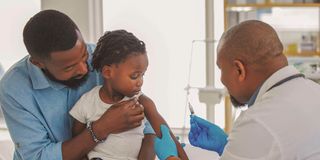
Kenya alone accounted for 4.7 per cent of zero-dose children (those who did not receive any vaccine) in Eastern and Southern Africa and 0.9 per cent of zero-dose children globally. This was an increase by 90,000 compared to 2023.

What you need to know:
Three essential childhood vaccines—BCG, Oral Polio Vaccine (OPV), and Measles—Rubella—were out of stock for an average of 65 days during the year ending June 30, 2024
A severe vaccine shortage at Kenya's Central Vaccine Store (CVS) last year left more than 100,000 children under one year old vulnerable to life-threatening diseases, a new audit has revealed. This raises concerns about the country’s ability to safeguard child health.
Three essential childhood vaccines—BCG, Oral Polio Vaccine (OPV), and Measles—Rubella—were out of stock for an average of 65 days during the year ending June 30, 2024. These disruptions meant that thousands of children missed scheduled vaccinations at critical stages, placing them at risk of preventable and potentially fatal diseases.
In some regions, healthcare workers had to turn away caregivers or cancel immunisation days, which interrupted Kenya’s national immunisation calendar and endangered already vulnerable communities.
In her report, Auditor General Nancy Gathungu pointed to delays in disbursing funds to the vaccine procurement agency as the primary cause of the shortage.
"The stock shortages at the CVS impacted the availability of vaccines at health facilities, significantly hindering the provision of preventive healthcare," she stated.
She also noted that this violated Section 160(1) of the Public Procurement and Asset Disposal Act, which requires effective inventory management to prevent service disruption.
The BCG vaccine protects infants from severe forms of tuberculosis. OPV is crucial for maintaining Kenya’s polio-free status, and the measles-rubella vaccine protects against two highly contagious diseases that can lead to brain swelling, permanent disability, or death in children. When these vaccines are unavailable, the risk of outbreaks increases sharply.
Kenya has historically made impressive progress in expanding immunisation coverage. According to the 2024 estimates from the World Health Organization (WHO) and United Nations Children's Fund (UNICEF) on immunisation coverage, around 80 per cent of Kenyan children receive all three doses of the diphtheria, pertussis and tetanus (DPT) vaccine —a key indicator of the performance of immunisation systems. However, this falls short of the 90 per cent coverage required to achieve herd immunity and prevent outbreaks.
In 2023, however, measles-rubella vaccine coverage dropped to 75 per cent in some counties, a decline attributed to disruptions caused by the pandemic and strained public health financing. In marginalised regions such as Turkana, Garissa and West Pokot, full immunisation rates fall below 60 per cent, far behind the national average.
The WHO estimates that vaccines prevent four to five million deaths worldwide every year. However, it also notes that approximately 25 million children missed out on essential vaccines in 2021 alone, largely due to disruptions related to the pandemic.
In Kenya, the consequences of missed vaccinations are already evident, with sporadic measles outbreaks reported in certain sub-counties, according to the Ministry of Health.
“Every missed vaccine is a missed opportunity to protect a child from a deadly disease. Delays may seem short on paper, but in a child’s life, they can be fatal,” said the WHO.