When temporary tattoos leave permanent scars: The hidden dangers of 'black henna'
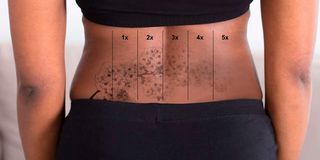
A temporary tattoo. What begins as an impulse decision can quickly transform into a nightmare of pain, blistering, and lifelong regret.

What you need to know:
- Allergic reactions to PPD can cause lifelong hypersensitivity; someone who reacts to "black henna" may become dangerously allergic to hair dyes and other products with similar chemicals.
- Some people don't react to their first tattoo at all, then experience delayed reactions to subsequent ones applied as much as eight years later.
- Black henna is no beauty shortcut—it’s a toxic gamble with chemicals banned for direct use on human skin.
The memory of a temporary tattoo shouldn't be a permanent scar. Yet what begins as an impulse decision to get a beautiful design, with the promise of an instant, dark stain, can quickly transform into a nightmare of pain, blistering, and lifelong regret.
The culprit isn't the ancient art of henna, but a modern, dangerous fraud known as “black henna.”
Traditional henna, or “mehndi,” is deeply rooted in Swahili culture—a timeless art form made from a plant that produces a beautiful, reddish-brown stain developing over hours. However, to create the deep, instant black colour of “black henna” and make tattoos last for weeks, artists illegally add a chemical called p-phenylenediamine (PPD).
This chemical has been approved by the Food and Drug Administration (FDA) only for hair dyes, used under strict conditions that include caution statements and mandatory "patch tests" to check for reactions. When artists apply this chemical directly to skin, they skip that vital safety step, turning a simple tattoo into a dangerous gamble with health.
The law prohibits PPD in cosmetics applied directly to skin, but in an unregulated market, it remains a risk many unknowingly take.
For Ashley Asha*, the experience with black henna occurred at a beauty and nail spa where she sought eyebrow shaping and tinting services. On that fateful day in July, her brow technician shaped her brows with a sharp razor before applying black henna. She paid Sh200 and went home.
Washed off
"I washed it off three hours later and went about my day as usual. The following day, in the evening, my brows started itching. By the third day, the brows were still itching, but my eyes were now swollen. I assumed the swelling would go down, but by the fourth day, I had developed fluid-filled blisters," she recalls.
The situation deteriorated rapidly. "I went to the hospital, and the doctor said my skin is allergic to the components of the black henna. He gave me medication. It took eight days for the swelling to go down and one month for the eyebrow scar to heal and dry up," she adds.
"While leaving the spa, I was cautioned to clean the brows in half an hour, but I delayed. I was, however, not cautioned about possible reactions," she explains.
For people like Asha with sensitive skin, the fluid-filled blisters that burn and itch relentlessly result from PPD seeping into the skin. This severe inflammatory reaction, known as allergic contact dermatitis, often leaves behind a permanent, ghostly scar in the exact shape of the original design—a painful legacy that can change skin colour and texture forever.
A study titled "Side effects of henna and semi-permanent 'black henna' tattoos: a full review," published in the Wiley Online Library, reveals that black henna tattoo mixtures are often prepared by artists using various materials and sources, causing actual concentrations of PPD and other ingredients to vary greatly.
"No natural black henna exists. Some of these 'henna' preparations do not even contain red henna at all. PPD is added to henna to accelerate the dyeing and drying process (to only 30 minutes), to strengthen and darken the colour, to enhance the design pattern of the tattoo, and to make the tattoo last longer. These tattoos stain the skin black and have the appearance of a real tattoo," the study notes.
The study reveals that allergic reactions to PPD can cause lifelong hypersensitivity, meaning someone who has reacted to "black henna" may become dangerously allergic to hair dyes and other products containing similar chemicals for life. Future exposure, even years later, could trigger life-threatening allergic responses.
"These high concentrations of sensitising materials, the long duration of skin contact, and the lack of a neutralising agent will all increase the risk of skin sensitisation. Possibly, the presence of oils and the fact that warm skin may enhance penetration may contribute. In addition, some henna artists use a syringe to apply the dye. The needle scratches the outermost layer of the skin, and there is no time lost in passing the upper layer of the skin before the allergen can be presented to the specialised immune cells in the outer skin layer," the study notes.
The research further explains that "dressings and first aid non-irritating paper tape bandages used to keep the henna attached to the skin enhance the penetration and could facilitate sensitisation. Retouching the tattoo as soon as it starts to fade can also favour the development of an allergic reaction, owing to re-exposure to the allergen. Many patients developed dermatitis soon after a second tattoo was performed within seven and 14 days after the first one."
Perhaps most concerning, the study notes that reactions to henna tattoos may appear within one to two days in people already sensitive to PPD or similar compounds. This sensitivity can stem from previous henna tattoos, even if the first reaction was mild—or non-existent.
Some people don't react to their first tattoo at all, then experience delayed reactions to subsequent ones applied as much as eight years later, making the true danger of black henna both unpredictable and potentially devastating.
*Name changed to protect identity of the woman.