WHO prequalifies world’s first malaria drug for younger babies
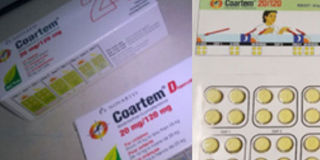
The drug, marketed as Coartem Baby, is the first of its kind for infants weighing between two and five kilogrammes.

What you need to know:
- Before this approval, infants with malaria received treatment with drug formulations intended for older children.
- According to WHO, this practice led to an increased risk of dosing errors, side effects, and toxicity.
A malaria drug for younger babies that was approved last year has finally received a prequalification nod from the World Health Organisation (WHO).
The drug, marketed as Coartem Baby, is the first of its kind for infants weighing between two and five kilogrammes. It was originally approved last year by the Swiss multinational pharmaceutical company Novartis in a historic move.
Before this approval, infants with malaria received treatment with drug formulations intended for older children. According to WHO, this practice led to an increased risk of dosing errors, side effects, and toxicity.
Now, the WHO prequalification will enable countries to procure their own supplies of the drug, helping to close a long-standing treatment gap for some 30 million babies born each year in malaria-endemic regions of Africa.
In a press statement, WHO said that prequalification confirms the drug meets international standards of quality, safety, and efficacy, and will help expand access to quality-assured treatment for one of the most underserved patient groups.
"For centuries, malaria has stolen children from their parents, and health, wealth, and hope from communities," said Dr Tedros Adhanom Ghebreyesus, WHO director-general. "But today, the story is changing. New vaccines, diagnostic tests, next-generation mosquito nets, and effective medicines, including those adapted for the youngest, are helping to turn the tide. Ending malaria in our lifetime is no longer a dream; it is a real possibility, but only with sustained political and financial commitment. Now we can. Now we must."
This comes three years after Kenya introduced the malaria vaccine for children living in endemic regions, following a successful pilot programme that also took place in the country starting in 2019.
According to Gavi, reports from countries that have rolled out the malaria vaccine such as Kenya, Malawi, Ghana, and Cameroon already show substantial reductions in the number of severe malaria cases and hospital admissions.
However, Gavi warns that the future of the vaccine programme may be at risk due to funding shortfalls. Their data indicates a 30 per cent reduction in funding for Gavi’s malaria programme, which now needs financial support to continue. If that funding does not materialise, vulnerable children who benefit from the malaria vaccine will be at risk.
The new drug and vaccine will help reduce malaria cases in the country. Latest data from the Economic Survey Report by the Kenya National Bureau of Statistics shows that malaria cases jumped from 3.8 million to 14.3 million in 2025 alone.