A few years ago, a typical Kenyan concert was simple. The artiste would walk onto the stage, grab a microphone and start singing over a pre-recorded beat blasting from the deejay’s laptop. The crowd would cheer, sing along, waving hands in the air.
Now, the scene is different. The stage lights up, a drummer kicks off a rhythm, the bassist plucks out a groove, and as the lead guitarist strums a riff, then the artiste takes to the mic—not just to sing but to perform. The crowd doesn’t just hear the music; it feels it. Welcome to the new era of performances with live bands, where Kenyan artistes are trading backing tracks for real, raw, and electrifying music.
For years, playback performances ruled the Kenyan music industry. They were affordable, easy to execute, and didn’t require much rehearsal. But artistes and fans alike are moving away from that, and for good reason.
"There’s something powerful about performing with a live band," says Alex, popularly known as Alexis On the Beat, one of Kenya’s biggest music producers. "You can stretch a song, switch up the arrangement, and really connect with your audience on stage. Fans will definitely love it because it’s real and raw."
Fans agree. Concertgoers are no longer just looking for a night out; they want an experience. With social media bringing global concerts to their screens, they’ve seen how international stars like Burna Boy, Davido, and Tems bring stadiums alive with live instrumentation. They expect the same level of energy and authenticity from their local artistes.
"When I go to a concert, I don’t want to feel like I’m listening to the same thing I could stream on Spotify," says Carol Achieng, a die-hard live music fan. "I want the artiste to surprise me, take me on a journey, and make me feel something new."
A game changer for artistes
Switching to live music isn’t just about impressing the fans—it’s changing the game for musicians too.
For one, it’s pushing artistes to become better performers. With a live band, there’s no room for error. You can’t rely on auto-tune or lip-sync your way through a show. You have to hit those notes, engage the audience, and hold their attention from start to finish.
"It’s not easy," admits gengetone singer-songwriter Unspoken Salaton. "But the more you do it, the more you grow. You start experimenting with your sound, you learn how to control your voice better, and you discover new ways to deliver your music."
It’s also opening up bigger opportunities. Live acts are in high demand for corporate gigs, festivals, and even international tours. A playback artiste might rock a club, but an artiste with a solid live band can command a stage anywhere in the world.
"Promoters know that a great live performance is what sets serious artistes apart," says Brian Mutonyi, a music manager who has booked acts for major festivals. "If you want to play on global stages, you have to master the art of live music."
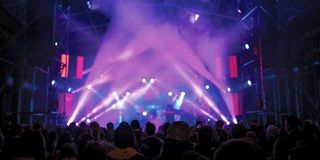
Photographers capturing the live events at the Totally Sold out concert at the Kenyatta International Convention Centre, Nairobi on December 31,2016
Photo credit: Dennis Onsongo | Nation Media Group
How live bands are transforming the concert experience
The rise of live bands is doing more than just elevating individual performances—it’s changing the entire concert experience in Kenya.
With a playback track, every performance sounds the same. But with a live band, artistes can give different texture to their music—slow down a song, extend a bridge, or even freestyle. Fans who attend multiple shows get a unique experience each time.
"At a Sauti Sol concert, they might throw in an acoustic version of “Suzanna” or turn “Short & Sweet” into a reggae jam mid-performance," says Kelvin Kivuio, a fan who hardly misses a major live gig. "You never know what’s coming, and that’s what makes it exciting."
For years, instrumentalists in Kenya played second fiddle to singers, often tucked away in church bands or jazz nights. But with live gigs becoming the norm, drummers, bassists, guitarists, and keyboardists are finally getting their due recognition.
"I used to just play in the background," says Sam Ouma, a bassist who now plays for some of Kenya’s top acts. "Now, people recognise me, follow my work, and appreciate what I bring to music."
Live performances demand better sound systems, skilled engineers, and rehearsed stage setups. As more artistes invest in quality performances, the overall standard of Kenyan concerts is rising.
"We can’t just plug in a laptop and hope for the best anymore," says event producer James Karanja. "Now, we’re thinking about acoustics, lighting, stage design—everything that makes a concert world-class."
There’s an undeniable magic in watching art being created in real time. The way the artistes interact with their band, how they respond to the audience, the way the energy builds and shifts—it’s something you can’t replicate with a backing track.
"Performing live makes me feel closer to my fans each time," says renowned singer Lexsil. "It’s like we’re sharing a moment, not just me singing to them."
The challenges of going live
Of course, making the switch to live music isn’t without its hurdles.
For one, it’s expensive. Hiring a band, rehearsing, and getting the right equipment costs way more than plugging in a USB stick. Not every artiste can afford it, especially up-and-coming musicians trying to break into the scene.
Technical issues are another headache. If a sound system fails, a mic cuts out, or a musician misses a cue, the whole performance can fall apart. That’s why live artistes have to rehearse a lot—something that takes time and discipline.
New Content Item (1)
Photo credit: Francis Nderitu | Nation Media Group
The Future of Live Music in Kenya
With the growing appetite for live gigs, Kenya’s music industry is moving in a promising direction. More venues are investing in proper sound setups. More artistes are training with live bands. And more fans are demanding real, high-quality performances.
Festivals like Blankets & Wine, Folk Fusion, and Sol Fest continue to champion live acts, proving that this movement is more than just a passing trend. Even intimate spaces like Beer District, The Alchemist,K1 Klub House and others are providing platforms for emerging acts to hone their live skills.
Due to the trend, the country has also seen a boom in the consumption of music performed in vernacula, which has set up new age cultural events like Luo Festival, Kamba festival, Ngemi Homecoming Festival, Korom Festival, Gusii Urban Festival among others.
As Kenyan artistes refine their craft, the industry is setting itself up for global recognition. The next time you step into a concert, expect less of the press play and sing along routine. Instead, get ready for drums, guitars, basslines, and pure, electrifying music that’s felt in your bones.