What to do when sleepovers bug bites
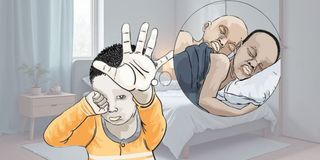
Give the children your sleepover rules in friendly but firm language.

What you need to know:
- Your child’s ready for a sleepover once they’re mostly independent at bedtime.
- Children love the idea of sleepovers, and sooner or later yours will want to go to one at a friend’s house.
Children love the idea of sleepovers, and sooner or later yours will want to go to one at a friend’s house. Or to hold one at yours.
I know you’ve heard horror stories of boys fighting, alcohol smuggling, co-eds sleeping together, or a teenage daughter slipping out of the house where she’s supposed to be staying. But with good preparation, sleepovers can be a lot of fun, and perfectly safe. Providing you only allow sleepovers with families you know well, so you’re sure everything will be well supervised.
Your child’s ready for a sleepover once they’re mostly independent at bedtime. Start them off one-on-one with a really close friend, especially if your child is shy. Get to know their friend first in daylight, because if they’re wild then, they’ll be even worse at night.


Younger children tend to get hyper and over-excited on a sleepover, and things like wet sleeping bags, tummy upsets and fall outs are common. Teens are usually just incredibly noisy, and make an unimaginable mess in the kitchen.
Sleepover experience
Once you’re happy to have more children in your house, keep numbers even to prevent “odd kid out” syndrome, keep things short by discouraging arrivals before 5pm, and clearly stating that pick-up is at 10.30am.
Say what meals are included, what kids should bring, and any planned activities. Get parents’ phone numbers and ask about their child’s sleepover experience, bed-time habits, and any health issues. Less-than-healthy food will be expected, like popcorn, crisps, cookies, pizzas and dips.
Give the children your sleepover rules in friendly but firm language. Like no leaving the house without asking, keeping to designated rooms, talking to you if there’s a problem (and no posting invitations on-line!).
Your child may get overwhelmed by it all. Ask them to “help” you in the kitchen for a few minutes to calm down, and if it happens again, avoid sleepovers for a while.
“Bring in more snacks” every half hour to reassure yourself everyone’s getting along (and they’re all still there!).
Feel homesick
Younger children can feel homesick, and comforting them generally doesn’t work, so it’s best to call their family immediately. Similarly, if your child wants to come home from a sleepover, just go pick them up.
Sleeping bags on the living room floor prevents arguments about who sleeps where (and no-one will fall out of bed!). Encourage younger children to use the bathroom before lights-out, and if someone wets their bed, help them maintain their dignity as you clear up.
Similarly, don’t be coy about bed-wetting issues or fear of the dark when your child’ is sleeping over. A prepared host can handle the situation more effectively.
Pretend that you expect them to sleep, and at least try to calm them down by turning lights off. They’ll protest, but some will be secretly relieved. In the morning ask everyone to help you tidy, offer breakfast, assemble their stuff for an easy exit, and hopefully they’ll leave with some great memories and stronger friendships.
Children love the idea of sleepovers, and sooner or later yours will want to go to one at a friend’s house. Or to hold one at yours.
I know you’ve heard horror stories of boys fighting, alcohol smuggling, co-eds sleeping together, or a teenage daughter slipping out of the house where she’s supposed to be staying. But with good preparation, sleepovers can be a lot of fun, and perfectly safe. Providing you only allow sleepovers with families you know well, so you’re sure everything will be well supervised.
Your child’s ready for a sleepover once they’re mostly independent at bedtime. Start them off one-on-one with a really close friend, especially if your child is shy. Get to know their friend first in daylight, because if they’re wild then, they’ll be even worse at night.
Younger children tend to get hyper and over-excited on a sleepover, and things like wet sleeping bags, tummy upsets and fall outs are common. Teens are usually just incredibly noisy, and make an unimaginable mess in the kitchen.
Sleepover experience
Once you’re happy to have more children in your house, keep numbers even to prevent “odd kid out” syndrome, keep things short by discouraging arrivals before 5pm, and clearly stating that pick-up is at 10.30am. Say what meals are included, what kids should bring, and any planned activities. Get parents’ phone numbers and ask about their child’s sleepover experience, bed-time habits, and any health issues. Less-than-healthy food will be expected, like popcorn, crisps, cookies, pizzas and dips.
Give the children your sleepover rules in friendly but firm language. Like no leaving the house without asking, keeping to designated rooms, talking to you if there’s a problem (and no posting invitations on-line!).
Your child may get overwhelmed by it all. Ask them to “help” you in the kitchen for a few minutes to calm down, and if it happens again, avoid sleepovers for a while.
“Bring in more snacks” every half hour to reassure yourself everyone’s getting along (and they’re all still there!).
Feel homesick
Younger children can feel homesick, and comforting them generally doesn’t work, so it’s best to call their family immediately. Similarly, if your child wants to come home from a sleepover, just go pick them up.
Sleeping bags on the living room floor prevents arguments about who sleeps where (and no-one will fall out of bed!). Encourage younger children to use the bathroom before lights-out, and if someone wets their bed, help them maintain their dignity as you clear up.
Similarly, don’t be coy about bed-wetting issues or fear of the dark when your child’ is sleeping over. A prepared host can handle the situation more effectively.
Pretend that you expect them to sleep, and at least try to calm them down by turning lights off. They’ll protest, but some will be secretly relieved. In the morning ask everyone to help you tidy, offer breakfast, assemble their stuff for an easy exit, and hopefully they’ll leave with some great memories and stronger friendships.
Children love the idea of sleepovers, and sooner or later yours will want to go to one at a friend’s house. Or to hold one at yours.
I know you’ve heard horror stories of boys fighting, alcohol smuggling, co-eds sleeping together, or a teenage daughter slipping out of the house where she’s supposed to be staying. But with good preparation, sleepovers can be a lot of fun, and perfectly safe. Providing you only allow sleepovers with families you know well, so you’re sure everything will be well supervised.
Your child’s ready for a sleepover once they’re mostly independent at bedtime. Start them off one-on-one with a really close friend, especially if your child is shy. Get to know their friend first in daylight, because if they’re wild then, they’ll be even worse at night.
Younger children tend to get hyper and over-excited on a sleepover, and things like wet sleeping bags, tummy upsets and fall outs are common. Teens are usually just incredibly noisy, and make an unimaginable mess in the kitchen.
Sleepover experience
Once you’re happy to have more children in your house, keep numbers even to prevent “odd kid out” syndrome, keep things short by discouraging arrivals before 5pm, and clearly stating that pick-up is at 10.30am. Say what meals are included, what kids should bring, and any planned activities. Get parents’ phone numbers and ask about their child’s sleepover experience, bed-time habits, and any health issues. Less-than-healthy food will be expected, like popcorn, crisps, cookies, pizzas and dips.
Give the children your sleepover rules in friendly but firm language. Like no leaving the house without asking, keeping to designated rooms, talking to you if there’s a problem (and no posting invitations on-line!).
Your child may get overwhelmed by it all. Ask them to “help” you in the kitchen for a few minutes to calm down, and if it happens again, avoid sleepovers for a while.
“Bring in more snacks” every half hour to reassure yourself everyone’s getting along (and they’re all still there!).
Feel homesick
Younger children can feel homesick, and comforting them generally doesn’t work, so it’s best to call their family immediately. Similarly, if your child wants to come home from a sleepover, just go pick them up.
Sleeping bags on the living room floor prevents arguments about who sleeps where (and no-one will fall out of bed!). Encourage younger children to use the bathroom before lights-out, and if someone wets their bed, help them maintain their dignity as you clear up. Similarly, don’t be coy about bed-wetting issues or fear of the dark when your child’ is sleeping over. A prepared host can handle the situation more effectively.
Pretend that you expect them to sleep, and at least try to calm them down by turning lights off. They’ll protest, but some will be secretly relieved. In the morning ask everyone to help you tidy, offer breakfast, assemble their stuff for an easy exit, and hopefully they’ll leave with some great memories and stronger friendships.
Follow our WhatsApp channel for breaking news updates and more stories like this.