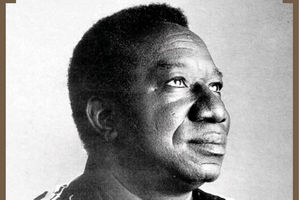
From church choir to Afrobeats sensation, Bruce Melodie tells us about his rise to pan-African stardom
What do you wish people truly understood about Bruce Melodie?
That behind the fame is a man who works hard, feels deeply, and carries responsibility. I’m not perfect, I’m committed to growth, to music, and to purpose.
When did you first realise music could become a career, not just a passion?
It wasn’t sudden. It happened slowly: when people started singing my lyrics back to me, when small payments started coming, when brands called. That’s when I realised this can feed me, my family, and my future if I take it seriously.
Before people started recognising your name, how many songs had you released that barely got attention, and did you ever feel like quitting?
Honestly, (there were) many. I can’t even properly count them. I released songs that only my close friends knew. Some didn’t get played even once on the radio. There were moments I felt invisible. Quitting crossed my mind, especially when effort didn’t match results. What kept me going was this quiet voice inside telling me, “You’re not here by mistake.”

Bruce Melodie, also known as Itahiwacu Bruce, is a Rwandan musical star.
‘Colorful Generation’ took time. What did the process demand from you financially, mentally, and creatively?
Everything. Financially, it drained me: studio time, production, visuals, collaborations. Mentally, it tested my patience and confidence. Creatively, it forced me to grow, to dig deeper than hits and create something that would last. I had to believe in the vision even when it scared me.
Bruce Melodie, the Rwandan voice reshaping African music
You were successful with singles. What pushed you to risk releasing a full album?
Singles give moments. Albums give legacy. I didn’t want to be remembered only for hits I wanted to tell a full story. At some point, you stop playing it safe and start standing for something bigger than charts.
Are you always inspired, or do you have empty days?
Empty days exist, very much. Some days, nothing comes. I don’t force it. I live, I observe, I feel. Inspiration always comes back when you allow yourself to be human.
Does music pay in East Africa, or is it misleading online?
Music can pay, but not overnight, and not for everyone. The lifestyle online is often exaggerated. For me, stability came when I diversified: shows, brands, discipline, and saying no to bad deals.
Any big money mistakes since fame?
Yes. Bad contracts, trusting the wrong people, spending without planning. Those lessons were expensive, but necessary. They taught me to value knowledge as much as talent.
What do you miss about life before fame?
Freedom. Walking without being watched. Making mistakes in silence. Fame gives access, though it takes away your privacy.
Your connection with Kenyan artistes feels intentional. Why Kenya?
Kenya has a strong industry mindset, great collaborations, and a market that respects quality. Creatively, it challenges me. Commercially, it expands my reach. Its growth.
Bruce Melodie, also known as Itahiwacu Bruce, is a Rwandan musical star.
Collaborations with Shaggy and Joeboy, how did they happen?
Relationships and consistency. My brand, numbers, and professionalism mattered. But respect mattered more. When people see you work seriously, doors open.
What pressure keeps you awake at night?
Living up to my own standards. Relevance comes and goes, money grows with time, but disappointing myself, that’s what scares me most.
Fashion, jewellery, lifestyle, conscious investment or just expression?
It’s expression, not obsession. Image matters, but peace matters more. I invest in my work first, not just what people see.
Now that ‘Colorful Generation’ is out, where are you mentally and musically?
Grateful, but not finished. I’m proud, and already thinking ahead. Fulfilment doesn’t mean stopping.
Follow our WhatsApp channel for breaking news updates and more stories like this.