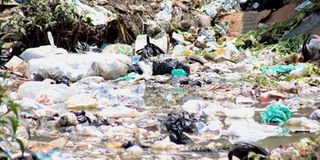
Microplastics -- tiny plastic shards broken down from man-made products such as synthetic clothing, car tyres and contact lenses -- are among the most ubiquitous materials on the planet.
They have been found on some of the world's highest glaciers and at the bottom of the deepest ocean trenches.
Humans eat and breathe in tens of thousands of microplastic particles every year, according to a new analysis Wednesday that raised fresh questions over how plastic waste could directly impact our health.
Microplastics -- tiny plastic shards broken down from man-made products such as synthetic clothing, car tyres and contact lenses -- are among the most ubiquitous materials on the planet.