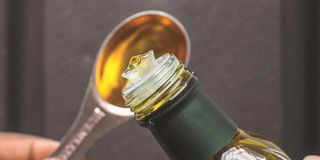
Kenyans are increasingly drinking shots of unprocessed olive oil mixed with lemon juice. Reason? To have a glowing and wrinkle-free skin, lose weight, detox the body and improve digestion.
Olive oil is often used in salads or for cooking, but TikTok and Instagram now have people swearing by gulping shots of it.
Jackson Mudengeya, a public health nutritionist, cautions against this, adding that there is no clear scientific evidence supporting this ‘olive oil and lemon juice’ shot. He says they have their benefits, but if taken in excess, they may be harmful.
Many Kenyans are increasingly drinking shots of unprocessed olive oil mixed with lemon juice.
“Lemon and olive oil have long histories in traditional diets, from Mediterranean kitchens to Ayurvedic practices. Olive oil has always been regarded as healthy due to its rich monounsaturated fatty acids (MUFAs) and polyphenols. Lemons, on the other hand, are known for their vitamin C content,” he says.
“Yes, the vitamin C in lemons supports collagen production and acts as an antioxidant. Lemons also have small amounts of vitamin B6, which plays a role in metabolism, along with minerals like potassium and magnesium that support heart, nerve and muscle function.”
On the other hand, olive oil has healthy fats and fat-soluble vitamins such as vitamins E and K. It is also rich in polyphenols, including hydroxytyrosol, which have been associated with benefits for heart and brain health.
But once the olive oil and lemon juice are ingested, the body treats them like any other food.
“When you consume olive oil, it triggers the release of bile from the gallbladder to help break down the fats,” Mudengeya explains. “At the same time, the high amounts of citric acid in lemon juice stimulate the release of gastric acid in the stomach.”
In other words, digestion proceeds as it normally would. The body absorbs the nutrients, fats, vitamins, and antioxidants and uses them as needed.
So does the olive oil and lemon juice ‘detox’ the body? “No, this is a misunderstood concept,” he explains. “While both lemon juice and olive oil contain antioxidants that help neutralise harmful molecules in the body, this is not the same as detoxifying. The body already has its own systems for that. What these nutrients do is support normal processes, not replace them.”
“There is also no significant effect, such as weight loss, that this mixture would have on the body,” he adds.
If anything, Mudengeya warns that taking it as a daily shot could have side effects.
“Daily intake of concentrated lemon juice promotes gradual erosion of the teeth enamel due to citric acid, leading to increased teeth sensitivity. With the secretion of bile due to olive oil and the release of gastric juice in the stomach, it can lead to stomach irritation in people with ulcers and gastroesophageal reflux disease (GERD), making them more susceptible.”
Such a daily intake can also trigger frequent pain in persons with complications such as gall bladder diseases, hence worsening previously existing conditions. “Overconsumption of olive oil is associated with affected gut function and bowel movements, leading to abdominal discomfort in some people. Also, consumption of such ‘shots’ reaffirms the obtainment of nutrition information from unaccredited sources, which reinforces poor health-seeking habits," he says.
Mudengeya recommends the healthiest way to consume both is as part of your meals. “Drizzle olive oil over vegetables, squeeze lemon onto a salad, or use them together as a combination. In that form, you still get their individual benefits without putting your body under unnecessary strain.”
Dr Pauline Gacheri, a dermatologist at Meru Teaching and Referral Hospital, says that no single food or drink can transform the skin on its own. Healthy skin is best maintained through a sustainable, balanced diet combined with basic skincare practices such as cleansing and moisturising.
“Diets high in processed foods and sugars can increase inflammatory markers in the body, potentially worsening conditions like acne, eczema, and rosacea. In contrast, whole foods such as fruits, vegetables, and whole grains help reduce inflammation and provide antioxidants, which support overall skin health,” she says.
“Olive oil contains healthy fats (also found in nuts, fish, and seeds) and antioxidants like vitamin E. Lemon juice provides vitamin C, which supports collagen production. While these nutrients are beneficial, they are best obtained through a consistent, balanced diet, rather than intermittent ‘shots’ or concentrated drinks,” she says. “The body utilises nutrients in regulated amounts, and excess intake at once may not provide additional benefit.”
When we talk about ‘glowing skin', we are really referring to healthy skin that is even in tone and texture, well-hydrated, and free from disease. “This is influenced by diet, genetics, hydration, sleep, and proper skincare, not a single dietary habit.”
She notes skin hydration depends primarily on adequate fluid intake and an intact skin barrier. “Consuming olive oil provides healthy fats that support overall body function; it does not directly hydrate the skin. For individuals already consuming sufficient healthy fats, topical moisturisation is more effective for improving skin hydration.”
Dr Gacheri cautions that olive oil consumption does not treat acne, and while lemon juice provides vitamin C, it does not address the multiple underlying causes of acne. “For individuals without vitamin C deficiency, topical vitamin C formulations are often more beneficial for skin-related outcomes,” she adds.
Similarly, consuming excess lemon juice does not significantly boost collagen beyond normal physiological needs. Regular, moderate intake of vitamin C-rich foods over time is far more effective than occasional high doses.
“Antioxidants, such as those found in olive oil, can help reduce oxidative stress and contribute to healthier ageing.”
However, these benefits are gradual and cumulative, and sun protection remains far more impactful in preventing visible signs of ageing.
Her take? Dr Gacheri says the olive oil and lemon juice trend is not inherently harmful when practised in moderation, but it is not a miracle solution for skin health. “The most effective approach remains a balanced diet, good hydration, adequate sleep, sun protection, and consistent skincare.”