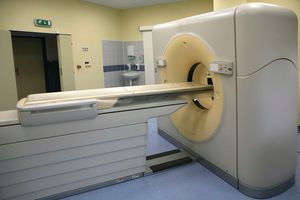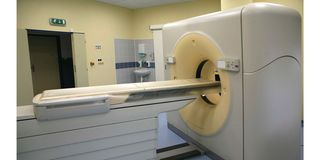
MRI scanners are the cutting edge of medical diagnostics, producing high-resolution images of internal body structures without using radiation.

Magnetic resonance imaging (MRI) requires patients to lie still inside a narrow, enclosed tunnel, often for more than 10 minutes, in a quiet room. For someone with claustrophobia, this experience can quickly trigger anxiety, panic, or an overwhelming urge to escape.
“Claustrophobia is an anxiety disorder characterised by an intense, irrational fear of confined spaces, especially when someone feels alone,” explains Dr Kevin Ombati, a cardiothoracic radiologist and programme director of radiology residency training at Aga Khan University Hospital.
“Many people do not even know they are claustrophobic until the day they are wheeled into the MRI room.”
According to Dr Ombati, MRI examinations often take longer than patients expect. “You are placed inside a tunnel and asked to remain still for the duration of the scan. Being in that enclosed space, alone, for that period is what triggers the anxiety for many people,” he says.
Claustrophobia can occur in anyone who is older than 12.
Clinically, patients fall into two categories: those who already know they are claustrophobic and those who discover it on the day of the scan.
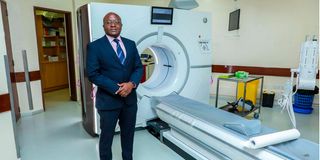
Aga Khan University Hospital consultant cardiothoracic radiologist, Dr Kevin Onyinkwa Ombati.
However, Dr Ombati says the approach to managing both is the same. “Instead of a full tunnel, one can have an open bore where the machine has a wider, semi-open design that reduces the feeling of confinement.”
“These machines are less powerful than standard MRI scanners and cannot perform some complex imaging studies,” he explains, adding that for certain conditions like cardiac, a full MRI is still necessary.
Sometimes, patients may be allowed to have a trusted relative or a friend present during the scan to help ease anxiety.
Dr Ombati shares that if reassurance is not enough, sedation can be another option. “An anaesthetist is allowed to give anxiolytics (relaxation medicine), which makes the patient remain conscious but relaxed and slightly drowsy. The effects wear off within a few hours, and recovery is relatively quick.”
In very few cases, patients may require full anaesthesia as a last resort. “This means they sleep through the procedure and remember nothing afterwards. But this approach carries additional risks and costs and must be administered by a qualified anaesthetist.”
“It is considered only when other options have not worked,” he adds.
The patient may request some music to be played during the procedure, as most MRI machines have speakers which can help the patient to relax. Additionally, the MRI machine has a buzzer button that the patient can press if they feel uncomfortable in the middle of the scan, allowing the scan to be stopped.
Preparation also matters. “Let the doctor know if you are claustrophobic or starting to feel anxious. There are several ways we can help you get through the examination safely and comfortably," he advises.
“We can even show you the scanner a day before the scan, so you know what to expect. Sometimes just seeing the room reduces anxiety significantly.”
The patients are often advised to avoid eating for at least four to six hours before the scan, avoid caffeine for certain tests, such as cardiac MRI, and inform the radiologist about all medications they are taking, like hypertension.
“Those undergoing sedation must avoid meals for at least six hours to ensure they are medically fit for the medication,” he says.
Are there any risks associated with stopping the scan midway?
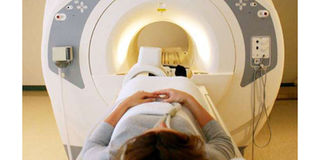
A patient on an MRI Scanner.
“No. Stopping the scan midway carries no medical risk from the MRI itself, as the test does not use radiation. The only concern is physical injury if a patient panics and tries to escape suddenly.”
Claustrophobia symptoms that may present during an MRI includes breathlessness, rapid heartbeat, sweating or shaking.
He notes an average of five patients weekly who struggle with these symptoms and have to reschedule appointments.
For most people, claustrophobia appears only in situations like an MRI and does not affect daily life.
However, Dr Ombati cautions that if the fear interferes with daily routine activities such as being alone in a room, driving, or staying in enclosed spaces, psychological or psychiatric support may be necessary.
Follow our WhatsApp channel for breaking news updates and more stories like this.