Tithing on debts? Follow the Bible
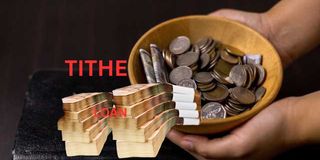
A pastor says that tithe (10 per cent of earnings or produce given to church as an offering to God) should include loans taken.
A number of people has asked for my views on the advice given by Reverend Lydia Kahiga of the Presbyterian Church of East Africa that people should pay tithes off the debts they owe.
My reaction is simply this: go and read the bible and do what it says. Don’t ask me or anyone else how to work out your tithe; it is described very simply in the holy book!
This case reminded me of the proposal to introduce wealth tax in Kenya. My view on this is simple: it is fundamentally wrong. Wealth is acquired using money that has already been taxed. You earn, say, Sh100,000 per month on which you pay about Sh19,800 income tax, leaving you with slightly above Sh80,000.


From this you spend, say Sh65,000 on regular bills and you save Sh15,000 every month. After about two years of diligent saving, you have accumulated a total of Sh360,000. Let us ignore any interest that this money may have earned along the way. With this Sh360,000 “fortune”, you go and buy a plot of land .
Now, how would you feel if the government came along and told you to pay tax because you now own a piece of land? Before you answer, let me clarify one thing: there is a difference between land tax, land rent and land rates. The last two are not taxes.
Land rent is charged on lease-hold land because, in that case, you are a tenant of the government (similar to living in a leased house). You don’t own the land; you own the lease.
Land rates are service charges collected by county governments for the provision of common service to the area where your plot is located (similar to service charge that is collected in many residential estates).
The proponents of wealth taxes would like you to pay an addition general tax in addition to these two charges. What would you say to that? I find it fundamentally wrong. And it gets worse: five years after purchase, the value of your ploti-mafuta may very well appreciate to Sh1,000,000. The wealth tax is to be based on this market value!
It is the same with billionaires – the likes of Elon Musk and Jeff Bezos. They all become wealthy, not because they earned so much money, but because the values of their “ploti-mafuta” appreciated immensely as a result of too many people wanting to buy the “plots” thus pushing up the prices.
Follow our WhatsApp channel for breaking news updates and more stories like this.