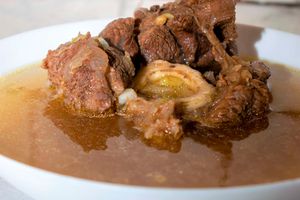
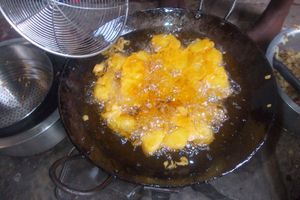
Mutura, a cherished street snack across Kenya, has long been a staple for many seeking a quick bite. Its distinctive mix of intestines, blood, and spices wrapped in an intestine casing gives it a flavour that makes many salivate. Yet, in today’s modern age, this beloved dish is facing increasing scrutiny—especially when prepared in unhygienic conditions and sold in street stalls.
MaryAnne Mwanza, a Nairobi-based nutritionist and dietitian, explains that while mutura can be a source of essential nutrients like protein and iron, its traditional preparation raises major health concerns. “The meat, blood, and intestines in mutura are affordable sources of protein and iron,” says Ms Mwanza. “But, the real problem lies in the preparation process.”
She warns that street vendors often overload the dish with salt and fat, which can negatively impact heart health, especially when consumed frequently. “Many street vendors also prepare mutura in unsanitary conditions, from unwashed hands to improperly cleaned utensils. This puts consumers at risk of foodborne illnesses.”
Dr Ajua Nkeng Alemanji, a gastroenterologist at Aga Khan University Hospital, highlights the serious bacterial infections associated with street-prepared mutura . “Infections like E. coli, Salmonella, and Hepatitis A are often linked to the mishandling of food at street stalls,” he says. “Infections often stem from using contaminated utensils, undercooking the meat, or poor hand hygiene by the vendors.”
A man prepares mutura. PHOTO | FILE
“Many of these vendors work in environments where it’s hard to maintain cleanliness, so cross-contamination is common,” Dr Alemanji adds. “The symptoms you might experience range from nausea and vomiting to diarrhoea and fever, depending on the bacteria you’ve gotten.”
Despite the growing concerns and even as urban hygiene standards rise, not all mutura vendors take the same approach to food safety.
James Ireri, a seasoned vendor in Nairobi’s Githurai 45, defends his method. “I ensure that everything is properly cleaned before cooking. I boil the intestines for 45 minutes to kill any germs before grilling them for extra flavour,” says Mr Ireri. He insists that his regular customers trust him and his product, buying up to 30 kilos of his mutura daily without complaints.
Still, Mr Ireri acknowledges that not all vendors share the same commitment to hygiene. “There are others who don’t clean properly or undercook their meat, which contributes to the bad reputation that mutura has gained.”
Peter Mwaniki from Mwihoko area in Nairobi also says the risks are low because he sources fresh intestines and cleans them. “I make sure to boil it and grill it to ensure its fully cooked,” he says.
But both vendors, however, acknowledge that the street food environment presents challenges that cannot be entirely avoided. “Dust and flies are a constant problem when you’re cooking outdoors,” says Mr Mwaniki.
A report from the University of Nairobi in 2018 had highlighted the risks associated with it, but the street food’s popularity endures.
Researchers found that more than half of the mutura samples tested from various Nairobi markets contained harmful bacteria such as Staphylococcus, Bacillus, and E. coli.
“Our study shows that both roasted and non-roasted African sausages sold in meat outlets across Nairobi County are contaminated with Staphylococcus, Bacillus, Streptococcus, Proteus, and E. coli,” the report read.
The team collected 100 samples of mutura from vending sites and meat eateries in Westlands Market, Kangemi Market, and Pangani Estate. Alarmingly, 80 percent of the samples tested positive for one or more of these bacteria. “We found Staphylococcus spp. in 50.4 percent, Bacillus spp. in 19.5 percent, Streptococcus spp. in 9.8 percent, Proteus spp. in 2.4 percent, and E. coli spp. in 1.6 percent of the tested samples,” the report read.
Nutritionists and medical professionals are urging consumers to be cautious when enjoying mutura . According to Dr Alemanji, frequent consumption of mutura , particularly when paired with alcohol, can have long-term health effects. “Mutura is often consumed with alcohol, especially beer, and this combination can raise your cholesterol and blood pressure,” he says. “Over time, this increases the risk of cardiovascular diseases, such as heart disease and stroke.”
Ms Mwanza argues, “If you’re going to eat mutura, make sure you’re buying from a vendor who prioritises hygiene. Look at the cleanliness of their cooking area and ask how they prepare it.”