Living with a disability can be daunting. Beyond the physical challenges lies a world of misunderstanding — the ridicule, the stares, the pitying looks that can slowly erode one’s confidence. I know this too well.
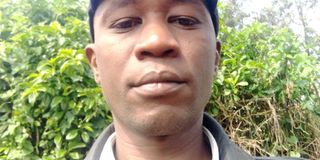
I live with hearing loss, a condition that began gradually in childhood. I attended regular primary and secondary schools and at first, I would sit at the back of the classroom and follow lessons. But by the time I reached Class Six, my hearing had deteriorated so severely that even hearing aids were of little help. My ears produce thick wax that blocks the audio canals of such devices.
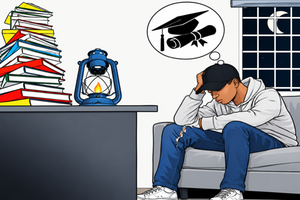
Although I couldn’t hear my teachers’ voices through most of high school, I kept up by copying notes from my desk mates as fast as they wrote. Over time, I learned that disability teaches lessons the world rarely acknowledges. Lessons every parent or teacher of a differently abled child should know.
Acceptance
That story has always stayed with me. It reminds me that acceptance is the foundation of peace. The world may not adjust to our limitations, we must learn to adjust to it. Anger and frustration often come from resisting that truth. I have been there too.
Because I am deaf, I rely on lip reading. My speech is slightly slurred. My lower lip moves slightly to the right when I talk. I have endured mockery, crude jokes, and cruel gestures. At times, I’ve lashed out in anger. But over time, I’ve realised that my worth isn’t diminished by the ignorance of others. Acceptance disarms bitterness and allows us to live fully, despite our limitations.
Your usefulness is not someone else’s responsibility; it is your own choice. Because I live in a world of silence, I had to build an inner world of words. I created stories in my mind and travelled to galaxies of imagination. Eventually, I realised I could harness that creativity, and that is how I taught myself journalism without ever stepping into a journalism class.
Disability demands innovation. I have seen artists without hands paint breathtaking pieces using their feet. That kind of resilience grows in acceptance and adaptability. It is the opposite of self-pity.
Usefulness and dignity
The world may be harsh, but limitations rarely erase one’s ability to make a difference. A child confined to a wheelchair can still bring joy to others with a simple smile. A blind poet can still move hearts with their words.
Guidance and support
Support them to start, but let them learn to sustain themselves. Help them believe that their contribution matters.
In all the struggles, one truth stands firm – life is still worth living. Disability does not define a person, character, resilience, and purpose do.
As I write this, I still wait for the day my hearing might return. But even in silence, I’ve found meaning, usefulness, and peace. Find your usefulness, and fulfillment will follow.