Daddy Owen has for long been a trailblazer in Kenya’s gospel music scene. Known for blending Afro-fusion beats with powerful messages of faith and hope, the award-winning singer rose to fame with hits like Vanity, Mbona and System Ya Kapungala
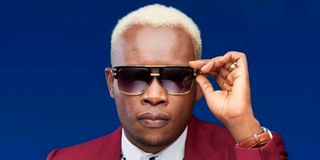
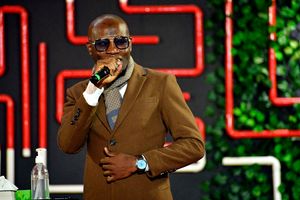
I always wear sunglasses — not to look cool, but because only one of my eyes can see. The other is completely blind. Even the eye that works doesn’t align straight, so when I talk to people, I wear shades to avoid awkward stares or questions. Without them, I might look like I’m gazing elsewhere, even when I’m looking right at you.
Some of my friends like to poke fun at my crooked eye. What they don’t realise is that I get to enjoy a few perks they don’t. For instance, as a person living with a disability, I’m exempt from paying taxes on certain things, like when importing goods. So while they joke, I smile.
I wasn’t born blind in one eye. That came later, the result of mob injustice… not justice. Back in the day, I was caught up in crime. One time, after stealing a watch, a mob descended on me. The beating was brutal, it left me with lasting injuries, including the loss of sight in one eye. A harsh lesson I’ll never forget.
I wasn’t really into crime; it was more about trying to fit in. You know how it goes when you move from the village to Nairobi, and suddenly you're hit with a whole new culture. The pressure to adapt to that life and fit in can pull a young man in the wrong direction, especially if you are unemployed.
Those days in Eastlands, the people we looked up to were the ‘makangas’. As young men we used to admire their way of life. They had the swag, the street cred, the loud music, the flashy clothes. They looked cool, even if many were neck-deep in crime. As a young man, it was easy to get swept into their world. You start hanging out with them and before you even realise it, you’re stealing phones and things like that. Some end up becoming hardcore criminals.
When I first moved to Nairobi, my elder brother Rufftone was already deep into the music scene. Back then, he was doing secular music long before he switched to gospel. In fact, he was part of a crew called One-Two Moja, alongside Redsan, Bebe Cool, and Chameleone. This was before the era of Ogopa Deejays.
When Lucas Bikedo launched Ogopa Records , guess who he recorded first? My brother Rufftone. He was the very first artist to lay a track at that iconic studio before it became the powerhouse we know today.
Back in the day, TV stations used to pay artistes whenever their music was played on air. There was a popular show on KBC called Mizizi and if your song made it onto the playlist, you’d walk away with some cash. Every Kenyan track that aired meant a trip to the station for payment. It was one of the few platforms where local artistes saw direct reward for their work.
When I moved to Nairobi I had just finished high school and wasn’t really sure what I wanted to do with my life but my brother already had a purpose. I guess this is why I began my life in the city on the wrong footing.
Looking back, I realise I didn’t have anyone to look up to while growing up. My parents never went to school, and I didn’t know any relative who had become successful through education.
So when I came to Nairobi, it was baptism by fire. Life threw me into the deep end, and I had to figure things out on my own, who I was, what I wanted to become, and what purpose even meant.