Paula, a polio survivor living with paralysis, bravely sought advice on navigating sex, relationships
Paralysis is a common lifelong problem. Can one, however, live a normal sexual life and even have babies if they are paralysed?
The story of Paula, a polio survivor I met six years ago, is a good lesson if you or your loved one is living with paralysis.
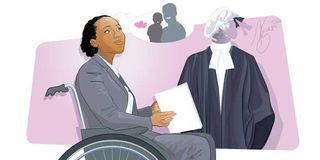
Paula was 25 years old when I met her. She was paralysed but determined to achieve her full potential in all spheres of life. She wheeled herself into the consultation room and, as I stood to help her, asked me not to bother and did everything by herself.
“I have learnt over the years to take care of myself and realised that I am capable of doing all the essential things in life. As they say, people like me are differently abled, not disabled!” She commented, beaming with a smile and in a demeanour projecting fullness of life.
“And what brings you to the sexologist today?” I asked, redirecting the conversation to the relevance of the place and time.
“I'm here to talk about sex!” she exclaimed, laughing loudly.
The issue was that she was a virgin. She did not know whether it was safe in her state to start a relationship, have sex and even get pregnant. Further, if she was to have sex, she wanted ideas on how to do it given that she could not lift the lower parts of her body.
“You are a fun person to talk to, and I am sure you have many men chasing after you!” I commented, to which she burst out laughing, almost falling off her seat.
And true to my imagination, she had turned down three men and now there was a fourth one who was so persistent. She was unable to push him away.
“Well, I think I also love him,” she said, looking fishily away from my gaze.
Persons with paralysis from whatever cause always worry about how to pick up the pieces and continue with life. The sexual aspect of life is not only difficult for many paralysed people, but it is also neglected, with many people erroneously believing that such people have no desire and no intention to have sex. Incidentally, many treatment centres do not incorporate this aspect of care in their treatment plans as they treat the various causes of paralysis.
Currently, there are about six million people in the world living with one form of paralysis or the other. A number of them got paralysed due to stroke, which is the commonest cause, followed by traumatic injuries to the spinal cord perhaps from road accidents, occupational accidents, or sports. Polio is also a serious cause of paralysis and affects five per cent of all cases of paralysis.
“So, back to my question, doctor. Can I have sex and babies in my state?” Paula interjected, grinning.
Paralysis should not stop one from having sex. What is needed is to modify the way sex happens to meet the changes that come with paralysis. Sexual health experts provide sex coaching for this all the time to ensure safety and enhanced pleasure for both partners.
However, things are much easier for the paralysed woman compared to a man, although the extent of paralysis does matter. Many women with paralysis maintain a reasonable desire for sex, easily get lubrication, and can get an orgasm.
For the man, however, there may be a desire for sex, and while some may develop an erection, others are unable to translate the desire into an erection. Erectile dysfunction is therefore a common outcome of paralysis and unfortunately, many affected people live quietly, unsure of where to get help. The good news is that there are medical ways of handling this problem. Beyond that, sex coaching ensures that sex is not just limited to penetration and that both man and woman still get pleasure and satisfaction even when there is minimal or no penetration.
Some paralysed men may also have a problem with ejaculating. The ejaculate sometimes fails to come out, instead going into the urinary bladder. This is called retrograde ejaculation. Affected men may not be able to impregnate a woman. Again, the fortunate thing is that there are ways of resolving the problem.
Many paralysed women can safely carry a pregnancy. It is however important to seek care early and agree with your doctor on how to remain safe during the nine months. Also, discuss the mode of delivery to be adopted.
Fast forward six years today, Paula is the proud mother of two boys, is happily married, and practices her profession as a top-notch lawyer.
She for sure is living the talk – that we are all able in our different ways. It is only the attitude that we adopt in life that creates the difference between success and failure.