Many women experience unusual vaginal discharge at some point in their lives, often jumping to the conclusion that it's a yeast infection or urinary tract infection (UTI).
Armed with this self-diagnosis, some head straight to the pharmacy for over-the-counter treatments, only to find little or no relief.
But what if the real culprit is bacterial vaginosis (BV)—a common yet often misunderstood condition that affects nearly one in three women of reproductive age?
For decades, the medical community treated BV as a woman's problem, an internal imbalance requiring only individual treatment.
However, a study by Monash University and Alfred Health showed that when both partners received treatment, women with oral antibiotics and men with a combination of oral antibiotics and topical antibacterial cream, the recurrence rate in women dropped to 35 percent, compared to 63 percent when only women were treated.
Dr Maureen Owiti, an experienced obstetrician and gynaecologist at Kenyatta National Hospital expounds further...
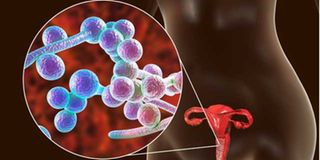
"BV is not an STI in the traditional sense; it occurs when harmful bacteria—particularly Gardnerella vaginalis—overgrow and overwhelm the beneficial Lactobacillus bacteria that normally dominate a healthy vagina," Dr Owiti explains.
The vagina maintains a delicate ecosystem, much like a carefully balanced aquarium. When that balance is disrupted, harmful bacteria can take over, creating the uncomfortable symptoms associated with BV.
"Think of it like a garden," Dr Owiti elaborates. "The good bacteria are like flowers that keep weeds from taking over. When the flowers are destroyed or weakened, the weeds flourish. In BV, those 'weeds' are the harmful bacteria."
"While some studies suggest a strong link between sexual activity and BV, and the recent research indicates sexual transmission may play a role, it's not officially classified as a sexually transmitted infection in the way we think of chlamydia or gonorrhoea," she continued.
"However, we can no longer ignore the evidence that sexual partners may be carrying and transmitting the bacteria back to women, even if men themselves show no symptoms."
One of the most significant and preventable triggers for BV is a practice that persists despite decades of medical advice against it: douching.
"Douching disrupts the vagina's natural self-cleaning mechanism and alters its pH, creating the perfect environment where harmful bacteria can flourish while killing off the protective bacteria."
The vagina naturally maintains an acidic pH between 3.8 and 4.5, which keeps harmful bacteria in check. Douching can raise that pH to 7 or higher, effectively rolling out the welcome mat for the bacteria that cause BV.
"The vagina is self-cleaning; it doesn't need internal washing. External washing with mild soap and water is all that's needed," Dr Owiti emphasises.
Women using intrauterine devices (IUDs) show higher rates of BV, possibly because the device can disrupt the normal bacterial environment.
Sexual practices also matter. Women with multiple sexual partners or new sexual partners show increased BV rates. Even the use of certain lubricants, scented products, or tight synthetic underwear that traps moisture can contribute to bacterial imbalance.
The confusion between BV, yeast infections, and UTIs could lead to a number of problems. "A UTI causes urinary symptoms like frequency, urgency, and burning, but doesn't typically produce vaginal discharge," Dr Owiti clarifies.
"BV produces discharge but usually doesn't cause the severe urinary symptoms of a UTI. Yeast infections cause thick discharge and intense itching, but don't have the fishy odour. Each condition requires different treatment, which is why women often misdiagnose themselves and pursue incorrect treatment, sometimes for months."
The standard treatment for BV remains antibiotics—primarily metronidazole (often sold as Flagyl) or clindamycin—available in oral tablet form or as vaginal gels and creams.
Treatment typically lasts five to seven days, and most women experience relief within two to three days, though completing the full course is essential.
"Most infections eventually clear up on their own, but BV symptoms can be genuinely distressing," Dr Owiti acknowledges. "The smell alone, which women describe as 'fishy,' 'musty,' or 'foul, ' prompts most women to seek treatment immediately. And rightfully so. There's no reason to suffer through it, and untreated BV carries risks."
In an era where many people prefer natural approaches to health problems, numerous online sources tout "natural cures" for BV, from apple cider vinegar to tea tree oil to garlic suppositories, Dr Owiti says people should be cautious.
"I understand the appeal of natural remedies, but there are no proven natural treatments for active BV," she states. "There's no natural cure for BV, but probiotics can aid in restoring balance. But with proper diagnosis, complete treatment, addressing risk factors like douching, possibly treating sexual partners, and using probiotics, we can dramatically reduce recurrence," Dr Owiti notes.
While BV doesn't directly cause infertility, it increases susceptibility to STIs like chlamydia and gonorrhoea, which can lead to fertility complications.
In pregnant women, untreated BV has been linked to preterm birth and low birth weight, making treatment especially critical for expectant mothers.
"Pregnant women with BV should seek immediate treatment, as the infection can cause serious complications for both mother and baby," Dr Owiti warns.