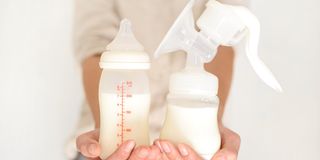
Scrolling through TikTok late one evening, I stumbled upon a video that stopped me in my tracks. This mum was showing how she uses her breastmilk to treat diaper rash, sterilise scratches, boost her skin care routine and the list went on. The search tab popped, “breastmilk hacks,” and I clicked.
The claims were incredulous, some laughable, and all these mums swore by the superpowers of their liquid gold. One mom demonstrated how a few drops helped clear her baby’s pink eye, while another claimed a few drops of breast milk soothed her cracked heels.
I knew breastmilk was packed with all the nutrients a baby needed for the first six months of life, but now these videos were bringing to light other uses of this milk that rather unusual. I reached out to Dr Varsha Vekaria-Hirani, a consultant pediatrician, who has worked extensively with new mothers and their infants, to find out just how much of a powerhouse breastmilk was, beyond feeding the baby.
“Breast milk meets the specific needs of infants by providing easily absorbed fats, carbohydrates, proteins, minerals, and vitamins,” she explains.
“It also contains enzymes that aid digestion and antibodies that prevent diseases, reducing the risk of sudden infant death syndrome (SIDS).” This, she says, is why organisations like the World Health Organisation advocate for exclusive breastfeeding during the first six months of life.
I wanted to find out about the other stuff claimed by mums on Tik-Tok. How much of it was true? Can breast milk really treat diaper rash or eczema?
“Breast milk contains antibodies, enzymes, and growth factors that aid in healing and prevent infections. It has shown positive results in managing conditions like diaper rash and eczema,” she says.
Yet, she cautions, these uses are not yet backed by formal medical guidelines.
One of the most common misconceptions about breast milk’s non-nutritional uses is its role in treating eye infections, skin issues, and even acne.
“There is limited scientific evidence to support its use for such conditions,” says Dr. Vekaria-Hirani.
“For example, while lactoferrin and antibodies in breast milk do protect against bacterial infections, they are not a replacement for medically approved treatments.”
If not handled or stored properly, breast milk can become contaminated.
“Good hygiene practices, such as washing hands before handling milk and using sterilised containers, are essential to minimize risks,” she advises. “And if a mother’s milk contains infections like HIV or brucellosis, applying it to broken skin can cause serious harm.”
Despite these risks, cultural practices continue to celebrate breast milk as an umbrella natural remedy and beauty solution.
While TikTok has undoubtedly popularised breast milk’s alternative uses, the practice itself is far from new.
Generations of mothers have turned to this natural remedy for minor ailments, often guided by cultural wisdom passed down through the years.
What the trend highlights is a growing appreciation for the multi-faceted benefits of breast milk—but also the need for balanced expectations.
“Breast milk is incredible, but it’s not a magic potion,” Dr. Vekaria-Hirani concludes. “Always consult a paediatrician before trying alternative remedies and remember that your baby’s health and safety come first.”