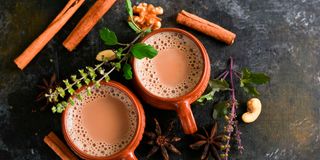
A cup of tea.
For Alvin Njuguna, a lawyer based in Machakos County, tea is not just a daily routine—it is practically a sixth sense.
On a good day, Alvin takes at least six cups of tea. Not at once, he says.
“In the morning, I take two cups of tea for breakfast before work. If I do not take at least two cups of tea every morning, I get headaches that can only be soothed once I drink tea. I then take another cup of tea as I go about my business. I’d take a break and have another cup. Or I’d have a cup while continuing with what I’m doing. The last cup of tea is before I go to sleep,” he tells Nation Lifestyle.
In the office, his tea is delivered from restaurants around.
"So it’s just a matter of making a phone call, and I have someone deliver my cup of tea to the office,” the lawyer adds.
Does he think he is a tea addict?
“I want to say being addicted to tea is a strong word. I’d say I’m more affectionate towards tea. I love tea. I like to describe myself as a prolific tea drinker,” the 30-year-old says.
Besides drinking six cups of tea, Alvin has a preference for how he wants his tea made and which tea types he takes at different times.
“If I could, I would make my tea every time. Homemade tea is the best. In the evenings, I prefer flavoured teas, particularly one called Earl Grey, because it has a calming effect. In the mornings, I take ginger tea. It awakens my senses,” the 30-year-old says.
His tea follows a carefully followed tradition, a daily ceremony brewed with precision and passion.
Alvin likes to heat his water first and then add the gingerroot.
"I prefer to use the actual roots. I let them boil together, then I add the milk and allow the milk to boil. I inherited my love for tea from my father. The most prepared beverage when I go visiting at home is tea. It’s more of a tradition. Growing up, my father and I had our own flask. The joke that we used to have is that we make a thermos of tea for me and me exclusively, and the rest of the people can have their own," he says.
Alvin’s story is just one glimpse into Kenya’s deep, almost sacred relationship with tea—a bond so strong that 95.3 percent of Kenyans drink it regularly, according to a study published in the International Journal of Research and Innovation in Social Science, with many admitting to withdrawal symptoms when they go without.
In Kenya, tea isn’t just a drink—it’s a ritual, a coping mechanism, a social bond, and for many, a lifelong companion.
“Kenyans drink tea at any time of the day at home. It accompanies, and it is served as a meal, it is offered to visitors, used for socialisation, and it is used for relaxation. In some Kenyan homes, not drinking tea or offering tea may seem to be a mortal sin,” the study said.
The study dubbed Tea Drinking Attitude and Tea Addiction Symptoms among Kenyans shows that about 76 percent of Kenyans drink between one and three cups of tea per day.
Kenya also has addicts. The researchers found that 41 percent of Kenyan tea drinkers experienced withdrawal symptoms such as headaches, tiredness, and disorientation when they went without taking their regular cup of tea. About 16.5 percent of Kenyans cannot stop drinking tea, and 36.9 percent feel stimulated when they drink tea.
As the world marks World Tea Day, we sat down with Kenyans who don’t just love tea—they live for it. Some might call them addicts, but they simply call it life.
A cup of ginger tea with honey and lemon.
"My tea addiction affected my baby’s sleep pattern"
When Nelius Mukami gave birth to twins, tea became her emotional lifeline.
“After they fell asleep, I’d rush to the kitchen and make a cup of tea—it was my way of coping,” she recalls.
But when her second baby refused to sleep, she discovered the possible culprit: the concentrated tea she drank daily passed through her breast milk. “I had to detox. It was hard. The headaches came, and the cravings hit.
Having found out the cause of her baby’s struggles with sleep, Nelius has had to keep away from tea.
"After some time, I noted that he was now sleeping. He is only five months old,” the 34-year-old says.
Has she gone back to tea drinking?
“I've had to start detoxing. I do get the occasional headaches that I know a cup of tea could easily cure, but I avoid drinking tea because I want my baby to sleep. Now I try to take a cup of hot chocolate in place of tea,” she says.
A cup of tea.
“It all started when I was a child.”
Jael Atieno says that she became addicted to tea out of habit.
“It all started when my parents chose me as their golden child to always brew for them the perfect cup of tea. When preparing the tea for them, I would always sneak in an extra cup for myself. Theirs was a night routine, and I somehow picked up the love from them,” she tells Lifestyle.
Now her day is not complete without her four cups of tea.
“I love my African-brewed tea (prepared with just tea leaves). Sometimes I like my tea spicy. I add masala, ginger, and cloves. The tea needs to have the right amount of everything: the right amount of milk and just enough tea leaves, not too much, not too little. I take my tea first thing in the morning before I leave the house, or I carry it and take it on my way to work. At work, I have a cup or two as the day begins, and at night, I must have a cup of tea before I go to sleep,” the 40-year-old says.
What does tea do for her?
“My tea calms me down, makes me happy, and makes me ready for anything the day throws at me. If I am sad or anxious or feeling down, I just take a cup of tea. When I miss having my tea, I experience headaches and get moody and restless. I will be cranky until I take a cup,” she adds.
"I know I need my cup of tea when I start feeling dizzy"
Annabel Wambui’s love for tea has been instilled in her since childhood, having grown up in Limuru at the centre of the vast tea plantations.
“Tea is more than just a drink; it’s a symbol of hospitality and culture. Over the years, I became fascinated by the taste, the process, the farmers, and the untapped potential of value-added tea products. That inspired me to start my tea brand, Belle Anka International, focusing on purple, green, and spiced teas that tell our story and support local growers, especially women,” she says.
She takes at least five cups of tea a day.
“I take my tea black because I am lactose intolerant. However, I have a sweet tooth, so I take it with a lot of sugar. Normally, I have my first cup at 9 am, a second cup at 11 am, and a third cup at 4 pm. Before I go to bed, I must have two cups of tea. At night, I take hibiscus tea.”
Annabel knows she must take a cup of tea when she feels light-headed. “Tea gives me a comforting feeling. It is like getting a soft hug from the inside out. Tea brings me a sense of calm, clarity, or even inspiration. It marks a moment of peace in a busy day or sparks reflection, especially when it’s a special blend like a spiced blend. For me, I love my ginger tea in the morning,” she says.
Serving the soya milk tea.
Shift to soya tea
The day is not complete for Alice Wanjiru if she does not take her five cups of soya drink.
“It all started when I finished high school. Initially, I used to take tea leaves, but then I started getting acidity, and I noted that my menses were heavy, so I had to do away with tea leaves and replace them with soya. As a person living with a disability, tea leaves would also give me low blood pressure. Now I would rather lack food but not miss taking my five cups of soya tea a day,” Alice tells Lifestyle.
For Alice, tea refreshes her.
"I don’t struggle with insomnia once I take a cup in the evening. I prefer to prepare my soya the traditional way. First, I boil some water and milk, then pour some soya in and allow it to boil together,” the 33-year-old says.