Somalia has launched climate finance trial, a programme meant to pilot usage of crucial funds for climate mitigation and help communities adapt to erratic weather patterns.
The trial is meant to help implement the National Climate Fund (NCF) which is a mechanism designed to support the country’s ability to manage and benefit from a wide variety of funding sources.
The announcement came on Thursday after a two-day workshop that brought together some 60 senior representatives in Mogadishu from various government agencies, environmental players and the business community.
The trial is seen by the federal government as a critical step in placing Somalia in a stronger position to access multilateral and vertical climate funds such as the Green Climate Fund (GCF), the Adaptation Fund and the Global Environment Facility (GEF), from which initial financing has already begun to flow into Somalia.
“Mobilising and managing climate finance through the National Climate Fund will not only enable us to respond more effectively to these urgent challenges but also allow us to plan for a more resilient and sustainable future,” said Somali Finance Minister Bihi Iman Egeh in a keynote address.
“This process demonstrates our government’s collective commitment to ensuring that climate resources are channeled transparently and equitably, reaching the communities that need them most,” Mr Egeh said.
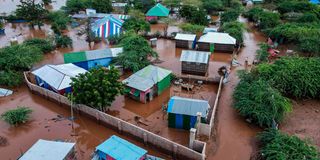
Mr Egeh serves as Chair of the NCF Board and says enhancing Somalia’s access to climate finance as a national priority. Somalia has endured a burden of climate shocks with droughts and floods routinely displacing people. At least 3 million people are in need of humanitarian support, victims of erratic weather.
Somalia now has a Ministry dedicated for Environment and Climate Change, seeking to help coordinate the responses. It is now headed by Bashir Mohamed Jama.
Liban Obsiye, Executive Director of the NCF, said Somalia will need partners, however, to help communities learn mitigation or adapt.
“Partnership is key to building resilience and this process shows Somalia’s determination to work collectively to mobilise resources to tackle the climate crisis,” he said.
“Access to climate finance is about meeting our immediate national needs but also about investing in our long-term stability and sustainable development and protecting the most vulnerable communities from the worsening impacts of climate change.”
The National Climate Fund was established under a presidential decree of President Hassan Sheikh Mohamud to create a centralised framework for mobilising, distributing and supervising climate finance.
Its Board, chaired by the Finance Minister, brings together line ministries and national institutions to ensure coordinated governance.
This marks the first time Somalia has introduced a whole-of-government approach to climate finance, complemented by the active participation of private-sector stakeholders and civil society organisations recognised within the constituencies of the United Nations Framework Convention on Climate Change (UNFCCC).
Officials argue that the new arrangement will enhance Somalia’s ability to attract international climate resources, strengthen transparency and accountability in their use and prioritise assistance for the communities most directly affected by climate shocks.