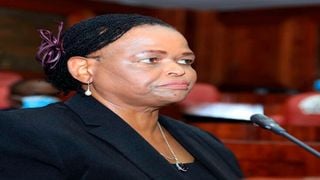
Appointing a bench to hear the Building Bridges Initiative (BBI) appeal is one in a full basket of challenges and expectations awaiting Chief Justice designate Martha Koome.
Justice Koome, 61, becomes Kenya’s first female CJ, replacing Justice David Maraga who retired on January 12. She faces the legacy challenge of either being viewed as an independent judge, or a gatekeeper for the Executive.
Besides delayed determination of cases, the incoming CJ is inheriting an institution that has a strained relationship with the other two arms of government: the Executive and Legislature.
“I want to ask her to jealously defend the Judiciary. She must protect judicial officers from the intimidation we have seen from senior government officers,” said Kikuyu MP Kimani Ichung’wah while contributing to the JLAC report.
“I pray that she will not preside over another night sitting out of Executive intimidation over the BBI matter or any other matter,” he added.
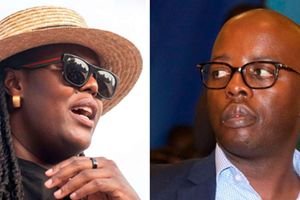
“She has jumped into a war that has been raging between the Executive and Judiciary and she is expected to lead all wars on behalf of the Judiciary. That is a huge challenge,” said lawyer Ahmednassir Abdullahi.
She is also facing the challenges of finance and human resource shortage. The Treasury last year allocated the Judiciary only Sh17 billion out of a national budget of over Sh3 trillion. Then there is the pending appointment of the 40 judges that President Kenyatta has delayed.
According to Mr Abdullahi, other challenges awaiting Justice Koome are interpretation and implementation of the constitution as well as disobedience of court orders by government officials.
Although the CJ cannot direct judges on how to decide matters, he or she can shuffle High Court judges, and magistrates. Most cases against the government are filed at the High Court’s Judicial Review Division and the Constitutional and Human Rights Division.
“Reshuffling judges at the two divisions will show her agenda in terms of constitutional implementation,” said Mr Abdullahi.
“She must engage the Executive to increase funding for the Judiciary, finish construction of courts and make the mobile courts more effective. The small courts also need to be devolved to the counties,” he added.