Calls for higher remuneration for national examination invigilators have gained parliamentary backing, with MPs pushing for a review of payments as the Kenya Union of Post-Primary Education Teachers (Kuppet) maintains that teachers should not undertake examination duties without fair compensation.
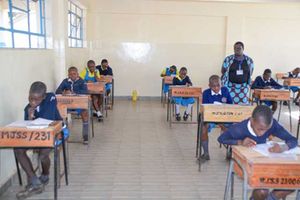
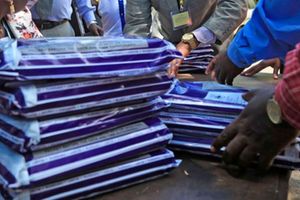
The proposal comes amid growing concerns over the cost of undertaking examination assignments, with teachers required to supervise candidates, safeguard examination materials and ensure the integrity of the national assessment process.
Kuppet has maintained its directive for members to stay away from KNEC activities until the council addresses grievances over examination pay, saying timely payment alone will not resolve the dispute.
Msambweni MP Feisal Bader has called for an increase in the remuneration paid to invigilators, security officers and other teachers involved in administering national examinations and assessments.
Mr Bader said the current payments do not adequately reflect the workload and responsibilities shouldered by the personnel, despite their critical role in ensuring examinations are conducted smoothly across the country.
“These professionals serve as centre managers, supervisors, invigilators and security personnel, ensuring the integrity and smooth conduct of examinations. However, the payment rates for these activities remain stagnant despite the rising cost of living,” Mr Bader told the House.
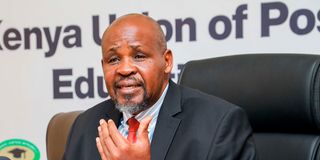
Kuppet Deputy Secretary-General Moses Nthurima argues that KNEC should establish a formal agreement with teachers’ representatives setting out the rates payable for different examination duties.
“We insist that teachers should not engage themselves in the examination business because that is servitude. We spoke to KNEC, but they only promised that there is money set aside for these teachers. They never disclosed the amount. They only said they will pay on time, and paying on time is not the biggest issue. The biggest issue is the payment,” Mr Nthurima said.
Mr Bader said low remuneration often forces examination centre managers to seek temporary accommodation near examination materials collection points to ensure they collect the materials on time. Supervisors, meanwhile, incur additional costs as they oversee multiple examinations at designated centres.
“Despite such dedication, the current remuneration remains grossly inadequate and no longer commensurate with the magnitude of their responsibilities,” he said.
The union maintains that teachers should receive remuneration commensurate with their professional expertise and the responsibilities involved in administering examinations.
Mr Nthurima accused the council of subjecting examiners to poor working conditions and said the remuneration offered for marking examinations was inadequate.
“For example, you find that a paper is being marked at Sh55. They are giving you a pocket allowance of Sh150, which was being given in 1990,” he said.
Mr Nthurima said examination supervisors were paid Sh600, while other payments for examination-related duties remained too low to reflect the work involved.
He warned that the dispute could extend beyond marking to affect the wider administration of national examinations.
“There must be an understanding that this is how you’ll pay me per day, or per script. Equal pay for work of equal value. The rest is servitude and slavery, which is prohibited. What happens is that the teachers should stay away, so that the council approaches the union and they create an understanding,” he said.
The dispute over examination payments is not new. In February 2025, Emuhaya MP Omboko Milemba asked Parliament’s Education Committee to explain delays in paying teachers who administered the 2024 national examinations, with Endebess MP Robert Pukose backing his call for action.
The union’s position comes as teachers involved in examination administration continue to raise concerns over remuneration, with Kuppet previously warning that it could mobilise members to boycott the management of the 2026 national examinations unless KNEC addressed their grievances.
On July 7, the National Treasury released Sh1.5 billion to settle the outstanding balances, with Education Cabinet Secretary Julius Ogamba announcing two days later that KNEC had disbursed the money to examiners’ accounts.
The payments followed months of delays that had prompted teachers’ unions to threaten a boycott of the 2026 examination exercise. However, the July payments have not ended the dispute over examiners’ remuneration.