Beyond activism: Kenya faces a defining test on protecting women
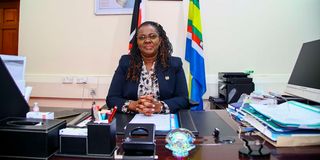
Gender and Affirmative Action PS Anne Wang'ombe during an interview at her office in Teleposta Tower, Nairobi, on November 5, 2024.

What you need to know:
- The government has condemned two brutal gang-rape incidents in Meru and Machakos counties, calling them heinous crimes that expose the ongoing danger faced by women and girls in Kenya.
- The attacks highlight a troubling disconnect between awareness campaigns and the lived reality of rising sexual violence.
The government condemned two brutal gang-rape incidents that sent shockwaves across Kenya, casting a dark shadow over the recently concluded 16 Days of Activism Against Gender-Based Violence.
The attacks, occurring in Laare, Meru County and Syokimau, Machakos County, underscore a harrowing and persistent crisis: the safety of women and girls in Kenya remains under severe threat, even as authorities intensify efforts to combat it.
Gender Affairs and Affirmative Action Principal Secretary Anne Wang’ombe expressed “deepest solidarity” with the survivors, decrying the “heinous” nature of the crimes. In Laare, a woman was brutally assaulted by multiple perpetrators, with the attack recorded and circulated online. In Syokimau, assailants broke into a home and raped a woman, her daughter, and their domestic worker.


“What these ruthless acts demonstrate is the escalating boldness of sexual offenders who continue to prey on women and girls with impunity,” PS Wang’ombe said. “These violations represent a dangerous erosion of the respect, safety, and rights that every woman and girl is entitled to.”
The timing of these attacks is particularly jarring. They occurred as Kenya observed the 16 Days of Activism—an annual global campaign dedicated to raising awareness of and strengthening protections against GBV. This year's theme, “UNiTE to End Digital Violence against All Women and Girls” marked the recent violence a stark contradiction to the period's core message. “It is deeply distressing that instead of embracing this moment to recommit to the safety of all, perpetrators continue to violate the rights, bodies, and lives of women and girls,” she said.
These horrific events punctuate an alarming trend. While comprehensive 2025 data is still being compiled, reports indicate worrying spikes in sexual and gender-based violence (GBV) post-pandemic. A 2022 demographic health survey found that 34 per cent of women aged 15–49 had experienced physical violence, and 13 per cent had experienced sexual violence. The festive season, unfortunately, often sees a tragic increase in such cases.
In the face of this crisis, the ministry’s statement outlined an immediate, multi-faceted response. The department commended the swift arrest of suspects in the Meru case and called for expedited investigations, demanding that all perpetrators, “including those who filmed, circulated, or aided the crimes be apprehended and prosecuted without delay”.
For the survivors, a coordinated system of psychosocial support, medical aid, legal assistance, and safe shelter is being activated with development partners. PS Wang’ombe also urged community leaders and Nyumba Kumi committees to intensify surveillance and reporting.
The recent attacks have brought renewed urgency to ongoing, innovative initiatives designed to dismantle barriers to reporting and support. A flagship effort is the “Help on the Move” campaign, launched in June by the Gender Department in partnership with UN Women and other allies. This initiative deploys digital vans equipped with internet-enabled tablets and trained personnel in communities, markets, and estates across Nairobi and other regions.
These mobile units provide a discreet, accessible point for survivors and witnesses to report incidents directly via the national GBV helpline 1195, access information on services, and receive initial psychosocial first aid. The campaign directly tackles fear, stigma, and logistical hurdles that often silence victims, bringing critical help directly to their doorsteps.
“I reaffirm the government commitment to a zero-tolerance stance on all forms of sexual and gender-based violence,” Ms Wang’ombe asserted. “We will not allow impunity, intimidation, or cultural excuses to undermine justice.”
The Help on the Move campaign and the 24/7 helpline are tangible manifestations of this commitment, aiming to transform a culture of silence into one of action and support. As the 16 Days of Activism ended, the message was clear: the fight requires both immediate justice and sustained, innovative prevention.
“To the survivors of these brutal attacks, to the families, communities, and all Kenyans who are distressed by these events, we stand with you,” PS Wang’ombe concluded. “We assure you that every woman and girl in this country has a right to safety, justice, and dignity.”
The challenge is immense, testing the nation's conscience. The response—from swift arrests and survivor care to digital vans reaching communities—must be equally comprehensive, proving that solidarity means protection not just in words, but in relentless, everyday action.
United we stand to protect women and girls during the year-end festive season and on every day of the year.


