From TikTok to Facebook: Why fact-checking matters in the digital age
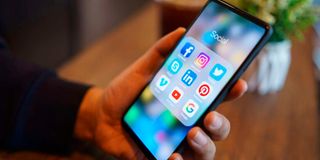
The meteoric rise of video-based social media platforms such as TikTok, YouTube and Instagram has led to the rise in misinformation and disinformation.

What you need to know:
- We cannot believe in everything hook, line and sinker, without critically thinking about what is being said.
- We must verify the information we get before believing something beyond its entertainment, news or educational value.
During one of my TikTok rounds last week, I came across a video that claimed Netflix is free in Kenya!
The video gave three prompts and asked guys to guess what country it was. The first prompt was that Netflix is free in the said country. That threw me completely off. I pay Sh300 every month for my Netflix account, which is cheap by any standards.
However, I will not pass up the opportunity to watch Netflix completely for free, especially during this December holiday. I thought about this country where Netflix is free, and wondered what they did to be God’s favourite people after Israel, but then decided to continue watching the video.


Read: Dealing with fake news
The second prompt was that the country is the largest exporter of cut flowers. Well, I do not have the figures by heart. I also mostly believe in that quote by American business theorist, W. Edwards Deming that “in God we trust. All others must bring data.”
However, I know that as a country, we export a lot of cut flowers because I have read quite a bit about the famous Naivasha flower farms. Therefore, this second prompt made me briefly think about Kenya. The third prompt was that this country is the birthplace of the fastest marathoner.
This also made me think it could be Kenya. I work in a media house where we regularly celebrate and tell the stories of our athletes – as they break world records every so often. But that nagging detail about Netflix being free is what completely ruled out Kenya.
But guess what, the video creator said the answer was Kenya! I was confused because is there a different Kenya from the one where I live? Is there a national secret-code to free Netflix, which I am not aware of? Is there a different Netflix from the one I use, which is free in Kenya? I looked at the comments below the video, and most Kenyans were as confused as I was.
Believe it or not, just to completely rest my mind, I had to ask a few of my colleagues if Netflix is free for them. I can’t say for sure if the content creator was joking or if she is misinformed about Netflix being free in Kenya.
As hilarious and as open a lie the claim was, it made me think about the things we sometimes believe hook, line and sinker, without critically thinking about what is being said. Whether this is an article on a blog, someone making damning claims on Facebook, a reel on Instagram or a carousel on LinkedIn, what verification process do we use before believing something beyond its entertainment value?
Not too long ago, I had a conversation with a colleague who expressed his concern at some comments he received from his younger cousins. The comments, he said, pointed to the fact that, while his cousins had access to a lot of information, they seemed to lack the ability to filter through who credible voices were or meaningfully appreciate dissenting voices. His biggest fear was their lack of media literacy.
He said they only trusted sources who appealed to their own mindsets, whether or not this information passed critical tests such as objectivity and factuality. Any attempt by him to challenge their knowledge by pointing them to other sources of information was resolutely shut out.
I had packed this conversation at the back of my mind until the incident on TikTok last week. How often do I filter through the flood of information that I consume on any single day to make sure the only information I allow to settle in my mind has gone through relevant checks and balances?
Perhaps one of the biggest responsibilities for my generation will be deepening digital skills to filter out misinformation and disinformation not just in the context of work but also in our personal relationships and beliefs. More than ever before, it is important to interrogate any piece of content presented before us. Well, I think I am basically just saying that we cannot be lazy consumers of information.
The writer is the Research & Impact Editor, NMG ([email protected]).


