Underpaid, unprotected, and exploited: The untold reality of Somalia’s female journalists
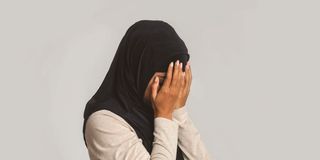
Nearly half work without written contracts, more than half report salary arrears or no pay at all, and only about 10 per cent feel safe at work.

What you need to know:
- Respondents cited threats including gender-based violence and online abuse such as AI-generated sexualised deepfakes used to discredit and humiliate women.
Women journalists in Somalia face widespread insecurity, harassment and workplace exploitation, with many reporting unsafe conditions, discrimination and limited career advancement, according to a new assessment by the National Union of Somali Journalists (NUSOJ).
The assessment, published on Tuesday by the media advocacy organisation, found that women journalists across Somalia are often underpaid, inadequately protected and marginalised in newsrooms.
Drawing on the views of women journalists and media managers in Mogadishu and Somalia’s six Federal Member States, the study, funded by the European Union and supported by the UN Development Programme, identified serious and overlapping concerns over job security, sexual harassment, financial exploitation and occupational safety.


“Just about 10 per cent of the respondents to the survey of women journalists across Somalia said they felt safe at work,” the report stated.
Respondents cited threats including gender-based violence and online abuse such as AI-generated sexualised deepfakes used to discredit and humiliate women.
“Just one in five respondents was satisfied with the reporting systems that exist in their media houses, indicating institutional protection remains weak,” the study found.
“Women are reluctant to speak out for fear of social stigma and various forms of retaliation, including dismissal, salary cuts and the refusal of professional references,” it added.
NUSOJ said a culture of silence has allowed harassment to persist, placing responsibility for managing its consequences on the women affected rather than on those responsible for preventing it.
Other workplace concerns include long working hours, lack of basic facilities, particularly for pregnant women and those with childcare responsibilities, and unreasonable demands from supervisors.
“These conditions directly affect women’s health, dignity and ability to remain in employment, while also exposing them to a greater risk of workplace harassment,” the report said.
The assessment also found widespread informal and precarious employment. Nearly half of the journalists surveyed work without a written contract, exposing them to arbitrary dismissal, unpredictable wages, unpaid overtime and denial of maternity benefits.
NUSOJ said “more than half experience chronic salary arrears or sporadic payments, or report that they work without any form of remuneration,” highlighting the financial insecurity facing women journalists.
Also read: We couldn't report him to himself: How journalists in Africa are fighting newsroom sexual harassment
The research further found multiple barriers and discriminatory practices preventing women from attaining leadership positions. These include limited access to training and exclusion from editorial meetings where strategic and financial decisions are made. Although women often occupy highly visible roles such as television presenters, their participation in editorial leadership and institutional decision-making remains limited.
“Just 11 per cent of the respondents to the survey believed that they had the same opportunities as men to advance their careers,” the report stated.
NUSOJ said the findings underscore the need for stronger employment protections, written contracts, fair and predictable remuneration, and effective safeguards against sexual harassment.
The organisation also called for confidential complaints mechanisms, equal career opportunities and improved occupational safety measures to address the challenges facing women journalists in Somalia.
The assessment further identified discriminatory recruitment and employment practices that continue to fuel inequality and injustice in the country’s media sector.